
Car Maintenance Tips 2026: Keep Your Vehicle Running Smoothly
Car Maintenance Tips 2026: Keep Your Vehicle Running Smoothly
Owning a car in 2026 means embracing smarter maintenance habits. With modern powertrains, hybrid systems, and increased electronics, the right maintenance plan keeps your ride reliable, safe, and valuable. This guide walks through proactive maintenance steps, seasonal checklists, and tech-forward tools that make upkeep faster and more cost-effective.
Why Maintenance Matters More Than Ever
In 2026, cars are more complex: turbocharged engines, hybrid motors, adaptive suspensions, and advanced driver-assistance systems (ADAS). Skipping maintenance risks triggering warning lights, damaging expensive sensors, or voiding warranties. Good upkeep:
- Extends vehicle life and resale value
- Improves fuel efficiency by up to 15%
- Prevents costly breakdowns or towing fees
- Keeps safety systems calibrated and working
- Reduces insurance premium increases tied to claims
Think of maintenance as investment protection. Spending $500/year can prevent a $3,000 transmission job later.
The 2026 Maintenance Calendar
Use a quarterly checklist to stay ahead:
Quarter 1 – Winter Reset (Jan-Mar)
- Inspect battery health: Cold cranking amps drop in winter. Replace if older than 4 years.
- Check tire tread for winter wear; rotate and align before spring travel.
- Change engine oil & filter using manufacturer-recommended 0W-20 or hybrid-safe oil.
- Flush windshield washer fluid and use freeze-resistant formula.
- Verify all lights (headlights, fog lights, brake lights) are bright and aligned.
Quarter 2 – Spring/Summer Prep (Apr-Jun)
- Inspect cooling system: flush coolant every 3 years or 30,000 miles.
- Service A/C: recharge refrigerant, replace cabin filter, check blower motor.
- Exam brake pads/rotors—heat accelerates wear.
- Replace wiper blades with beam-style blades for summer storms.
- Check tire pressure (including spare) before road trips.
Quarter 3 – High-Usage Check (Jul-Sep)
- Inspect belts/hoses for heat cracks. UV exposure speeds deterioration.
- Monitor transmission fluid level, especially for stop-and-go traffic.
- Detail interior; vacuum, leather conditioner, and clean infotainment screens.
- Scan for software updates (OTA) that may include maintenance reminders.
- Top off fluids: brake, power steering, windshield, washer.
Quarter 4 – Fall/Winter Prep (Oct-Dec)
- Swap to winter tires if you live in cold climates.
- Service heating system and ensure defrost is fast.
- Inspect flashers/backup cameras for winter clarity.
- Check wiper fluid level and install winter-blend fluid.
- Schedule a multi-point inspection before holiday travel.
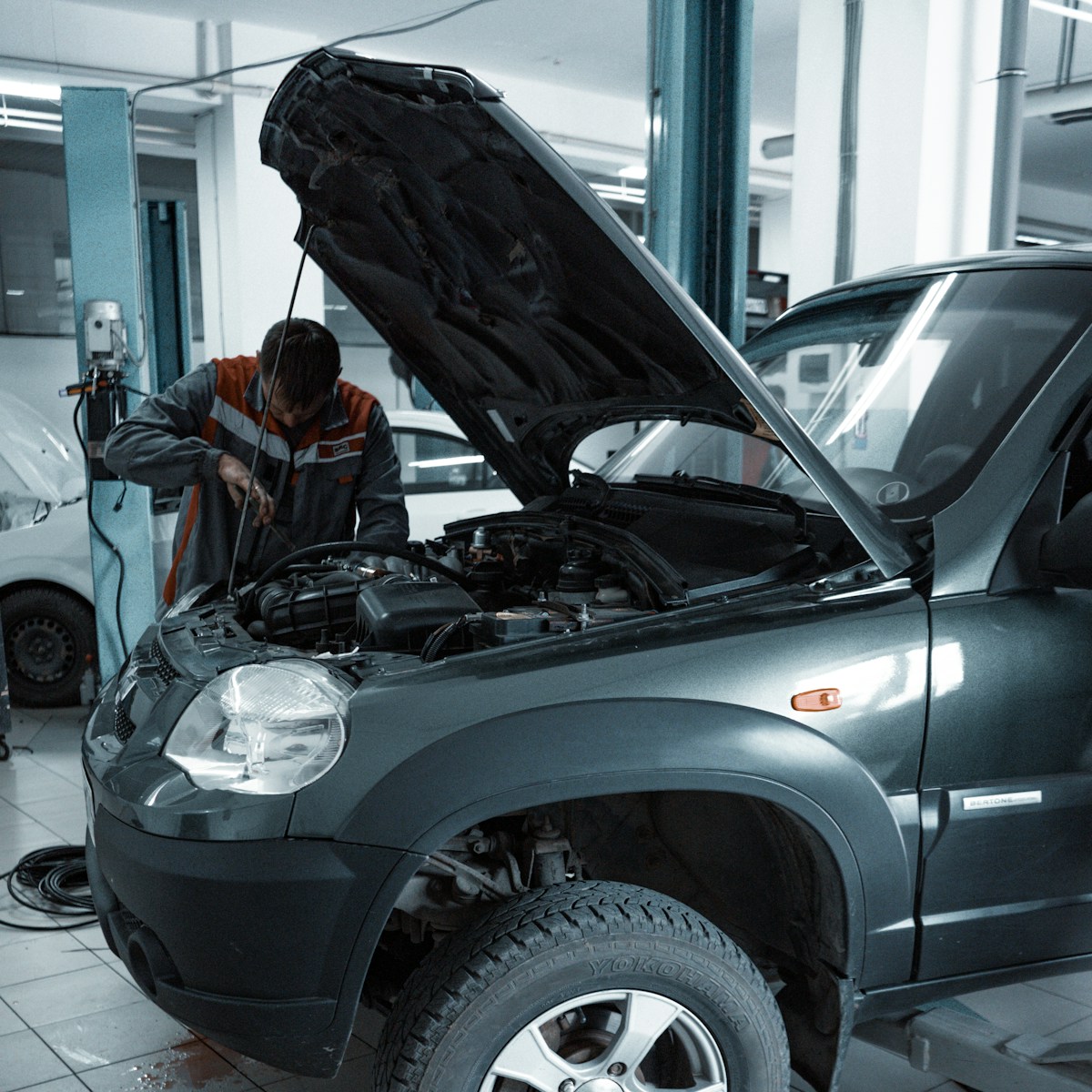
Tech-Forward Maintenance Tools in 2026
Modern cars offer data-rich diagnostics. Use these tools:
- OBD-II Bluetooth dongles: Track health from your phone (Torque Pro, Car Scanner). Many alert you when codes appear.
- Manufacturer mobile apps: Tesla, Hyundai, BMW, and others send proactive maintenance reminders tied to exact mileage.
- Predictive maintenance dashboards: Vehicles with built-in AI (Tesla, Lexus, Hyundai/Kia) alert you about fluids, brake wear, or battery health before service is due.
- Digital receipts & service history: Keep records in Google Drive or Notion with photos and invoices for later resale.
Pair these tools with a shared calendar reminder (Google Calendar, Nova reminder) to keep tasks from slipping.
DIY vs. Professional Service
Certain tasks are safe at home; others need a shop:
DIY-friendly Maintenance
- Oil & filter change (if you have a drain pan and torque wrench)
- Cabin/engine air filter replacements (check videos for your model)
- Battery terminal cleaning with baking soda/wire brush
- Tire pressure checks and rotations (if you own a jack/stands)
- Headlight restoration kits for foggy lenses
Leave to Professionals
- Transmission service (fluid/filter replacement)
- Hybrid/electric high-voltage system maintenance
- Timing belt/chain service (requires special tools)
- Brake fluid flushes (hygroscopic fluid)
- ADAS calibration (camera/radar alignment after collision)
Always keep OEM parts or reputable aftermarket brands in your toolkit.
Maintenance for Hybrid & Electric Vehicles
EVs and hybrids require less oil & filter work but have unique needs:
- Battery cooling systems: Flush coolant for the pack every 3-5 years.
- Brake regeneration: Leads to longer pad life but watch for pad glazing; inspect annually.
- Software updates & watch for alerts: EVs send diagnostics via OTA; act on warnings immediately.
- High-voltage connections: Keep them clean and inspect for corrosion.
EV owners should also monitor charging equipment (home charger, cords) for wear.
Routine Safety Systems Checks
Safety technology needs maintenance too:
- Clean sensors (front bumper, radar, cameras) after muddy or snowy trips.
- Check windshield for chips; cracks can disrupt ADAS cameras.
- Test backup sensors and cameras quarterly (watch for dust or moisture).
- Ensure lane-keeping assist and adaptive cruise control functions still engage smoothly.
Dirty sensors are the top reason ADAS features malfunction. Use gentle cleaner and microfiber cloths.
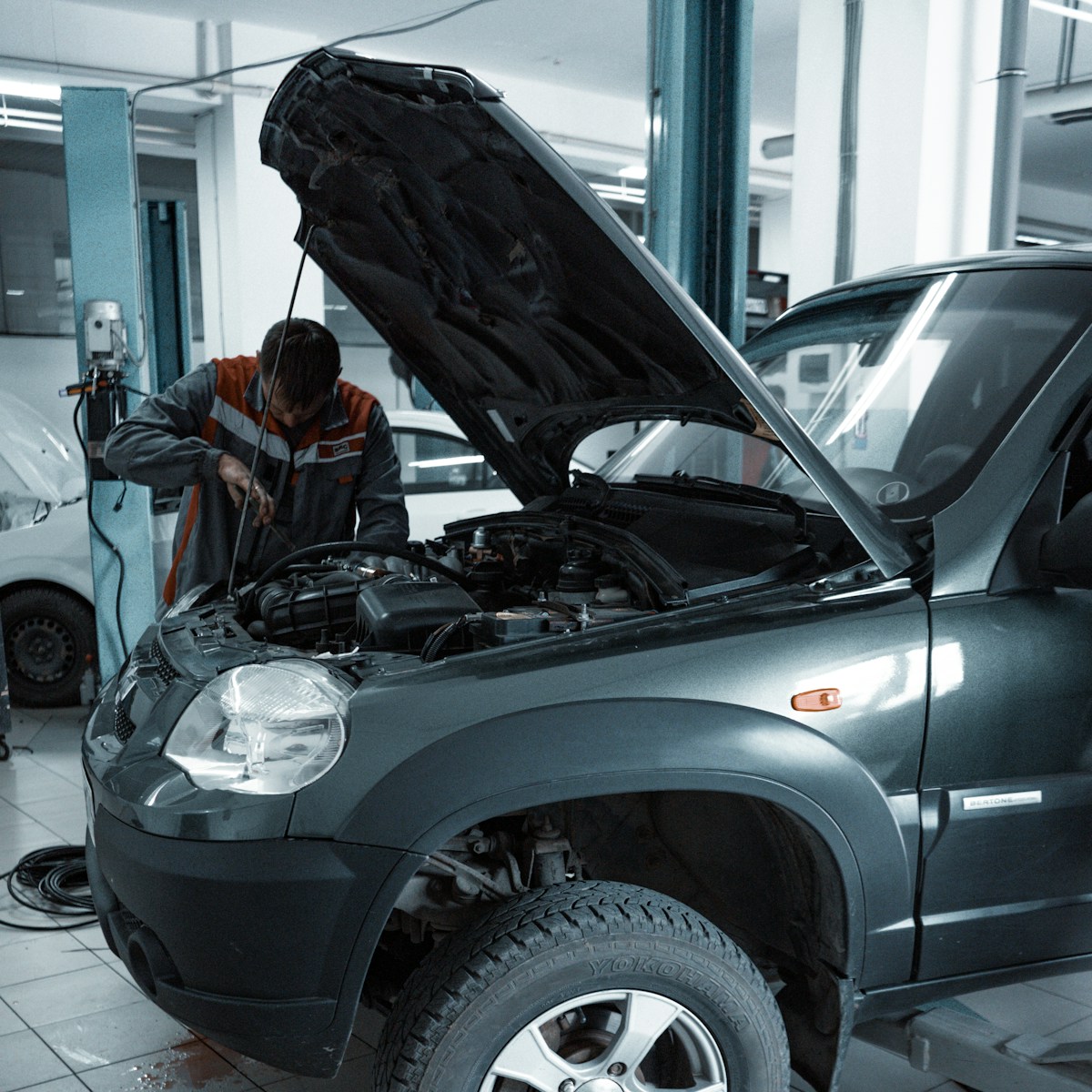
Tire Care Masterclass
Tires are maintenance priority for safety and economy:
- Rotate tires every 5,000-7,000 miles (or with each oil change).
- Replace tires when tread depth drops below 4/32″ for wet-weather safety.
- Use seasonal tires where appropriate: replacer summer/performance tires with winter options in cold climates.
- Balance tires when you hear vibration above 60 mph.
- Wheel alignment annually or after hitting potholes.
Tire pressure monitoring systems (TPMS) improve accuracy. Keep a digital gauge (Accutire, AstroAI) in the glove box.
Fluids & Filters Cheat Sheet
- Engine oil: Every 7,500-10,000 miles for modern synthetics; check level monthly.
- Transmission fluid: Every 40,000-60,000 miles or per owner’s manual.
- Coolant: Flush every 30,000-50,000 miles; use OEM spec.
- Brake fluid: Replace every 2 years due to moisture absorption.
- Cabin filter: Replace every 15,000-20,000 miles.
- Fuel filter: Check every 60,000+ miles (diesel/higher mileage gas engines).
Keep a maintenance log (spreadsheet or Notion) noting fluid types, part numbers, and mileage.
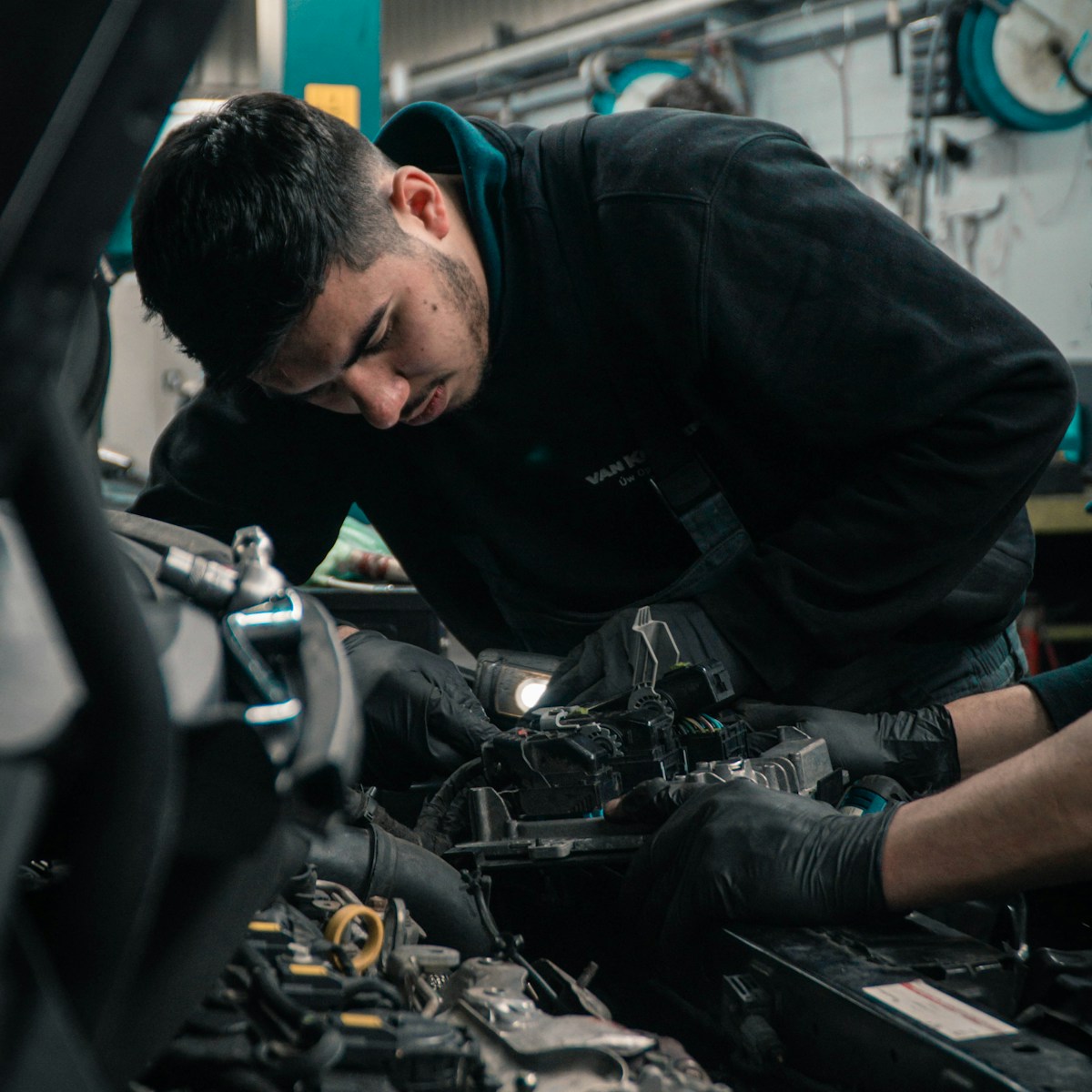
How to Choose a Maintenance Shop
- Read Google, Yelp, or Facebook reviews — look for consistent praise for integrity.
- Ask for maintenance bundles (brake + fluid + inspection) for a single price.
- Verify certifications: ASE master techs, OEM certifications (Toyota, Honda, etc.).
- Request written estimates and warranties on parts.
- Use dealership service for ADAS calibration or warranty work; independent shops are fine for most other maintenance.
Keep receipts and service intervals documented in your memory file for resale proof.
DIY Maintenance Tools to Keep on Hand
- Quality torque wrench (25-150 Nm range)
- OBD-II scanner with live data
- Microfiber cloths, detailing brushes, and foam applicators
- Digital tire gauge and portable air compressor
- Multimeter for battery and alternator checks
A small tool kit and foldable creeper make simple tasks faster and more enjoyable.
FAQs: Maintenance in 2026
Q: How often should I service my hybrid battery?
A: Most hybrids recommend inspection every 30,000 miles and coolant service every 3-5 years. Watch for warning lights and schedule service immediately.
Q: Do I still need oil changes every 5,000 miles?
A: No. Modern synthetics and engine designs allow 7,500-10,000 mile intervals. Always follow the owner’s manual.
Q: What if my car alerts a maintenance issue?
A: Don’t ignore it. Use an OBD-II reader to log the code, then schedule service. Minor problems escalate quickly.
Q: How do I track maintenance history?
A: Use Notion, Google Sheets, or a maintenance app (Drivvo, AutoCare) with photos/invoice uploads. Document mileage and part numbers.
Q: Is preventative maintenance expensive?
A: Not compared to breakdowns. Budget ~$300-$500 per quarter for oil, filters, checks, and a seasonal inspection.
Final Thoughts
Proactive maintenance keeps 2026 cars reliable and enjoyable to drive. Treat your vehicle like a high-end appliance: clean, monitor, update, and service regularly. Use digital tools, follow a seasonal checklist, and don’t skip safety system inspections. If you stay ahead of maintenance, you’ll save money, avoid stress, and preserve resale value.
Ready for your next service appointment? Schedule it on your calendar, snap photos of receipts, and keep pushing updates into your maintenance log. Your car will thank you.