
EV Incentives & Pricing Shifts 2026: What Buyers Need to Know
The electric vehicle market in 2026 is undergoing a dramatic transformation. With federal tax credits expired and automakers recalibrating their strategies, buyers face a fundamentally different landscape than just a year ago. Understanding these shifts is crucial for anyone considering an EV purchase in 2026.
The End of Federal EV Tax Credits: What Changed
The federal EV tax credit expired at the end of September 2025, marking the first full year without this incentive in 2026. This $7,500 credit was a game-changer for EV adoption, but its absence is reshaping the entire market.
What this means for buyers:
- EVs are now $7,500 more expensive without the federal rebate
- State-level incentives vary dramatically (California, New York, and Colorado still offer programs)
- Automakers are adjusting pricing strategies to remain competitive
- Lease deals may become more attractive as manufacturers absorb some costs
Buyers shopping for EVs in 2026 should immediately check their state’s EV incentive programs. Some states offer rebates up to $5,000, which can partially offset the loss of federal credits.
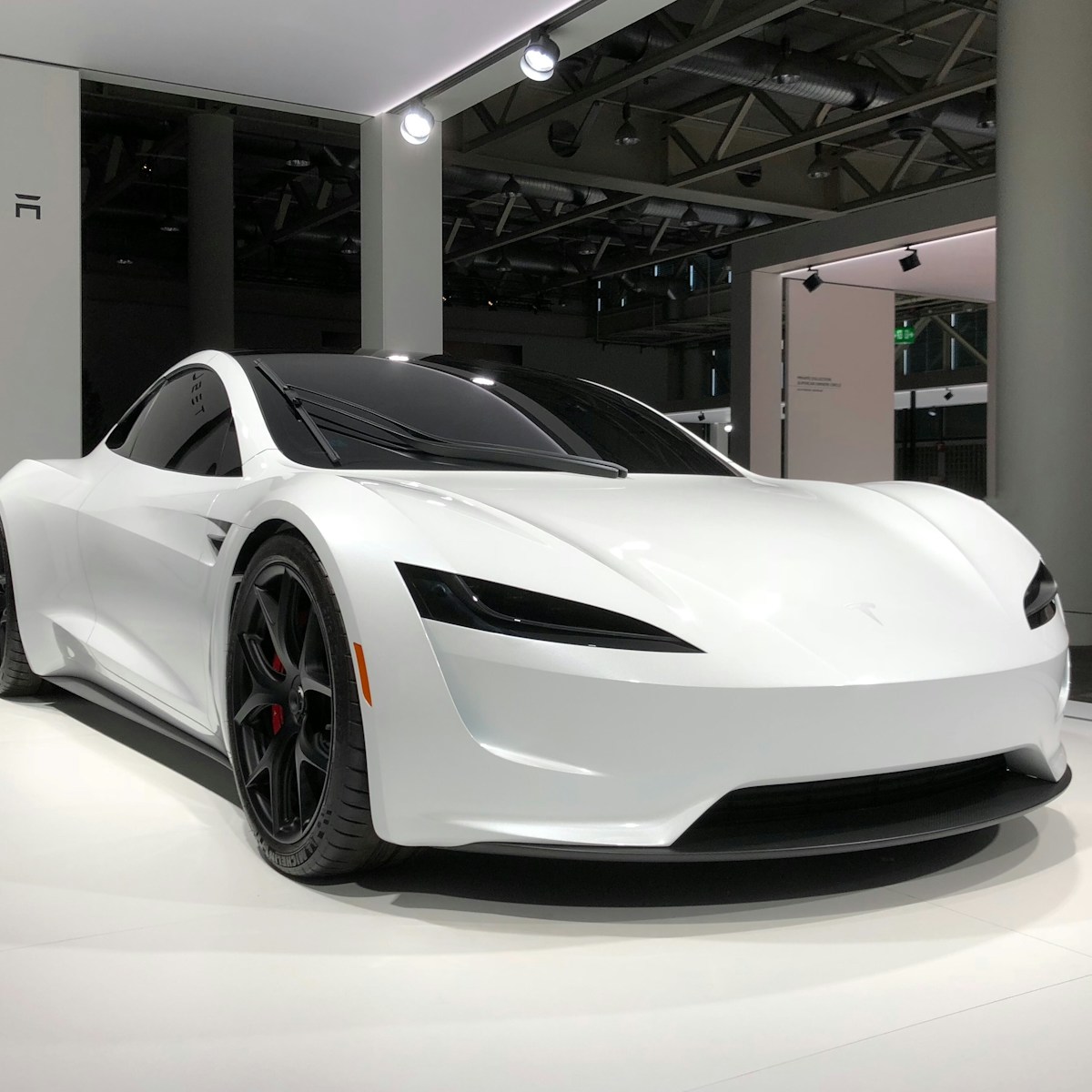
Automakers Pivot: More Hybrids, Fewer Pure EVs
Major automakers including Ford, General Motors, and Toyota are redirecting billions from pure EV development toward hybrid technology. This strategic shift reflects market realities: consumers want lower prices and longer driving ranges without charging anxiety.
Why hybrids are winning in 2026:
- Lower upfront cost than pure EVs
- No charging infrastructure dependency
- Better fuel economy than gas-only vehicles
- Proven reliability with established supply chains
- Tax incentives still available in many states for plug-in hybrids (PHEVs)
If you’re considering an EV but worried about charging access or range, a plug-in hybrid might be the smarter 2026 choice. PHEVs still qualify for some state incentives and offer the best of both worlds.
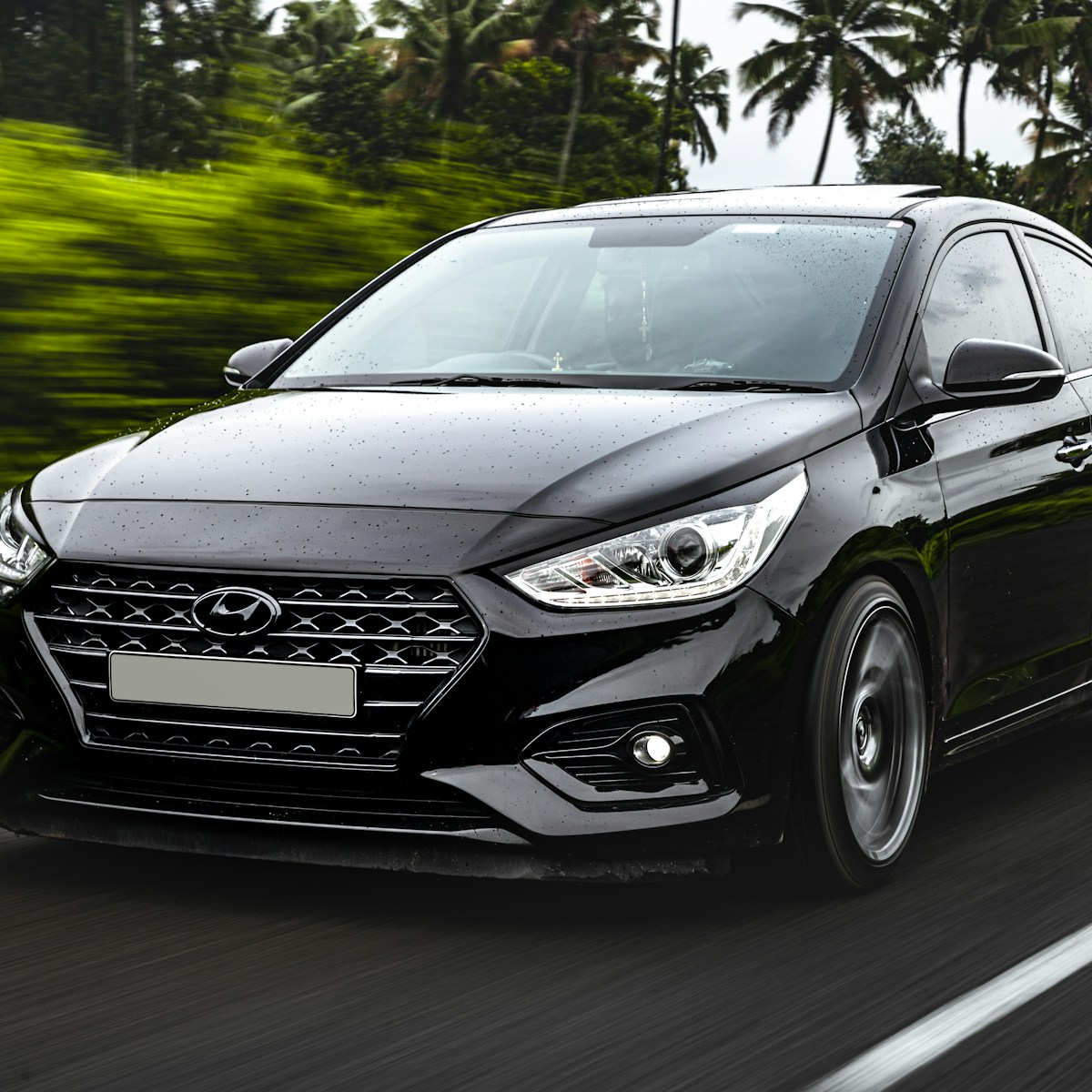
EV Pricing: Expect Lower Sticker Prices (But Fewer Deals)
Paradoxically, EV prices are coming down in 2026, but incentives are shrinking. Automakers are cutting MSRP to compete without federal tax credits, but the days of aggressive dealer discounts are fading.
2026 EV pricing trends:
- Base model EVs dropping $3,000-$5,000 from 2025 prices
- Premium EVs holding value better due to limited inventory
- Used EV market flooding with off-lease vehicles (good for used buyers)
- Dealer incentives declining as inventory stabilizes
- Financing rates improving (average APR down to 6.6% in late 2025)
The sweet spot for EV buyers in 2026 is the $35,000-$45,000 range, where competition is fierce and manufacturers are most aggressive on pricing.
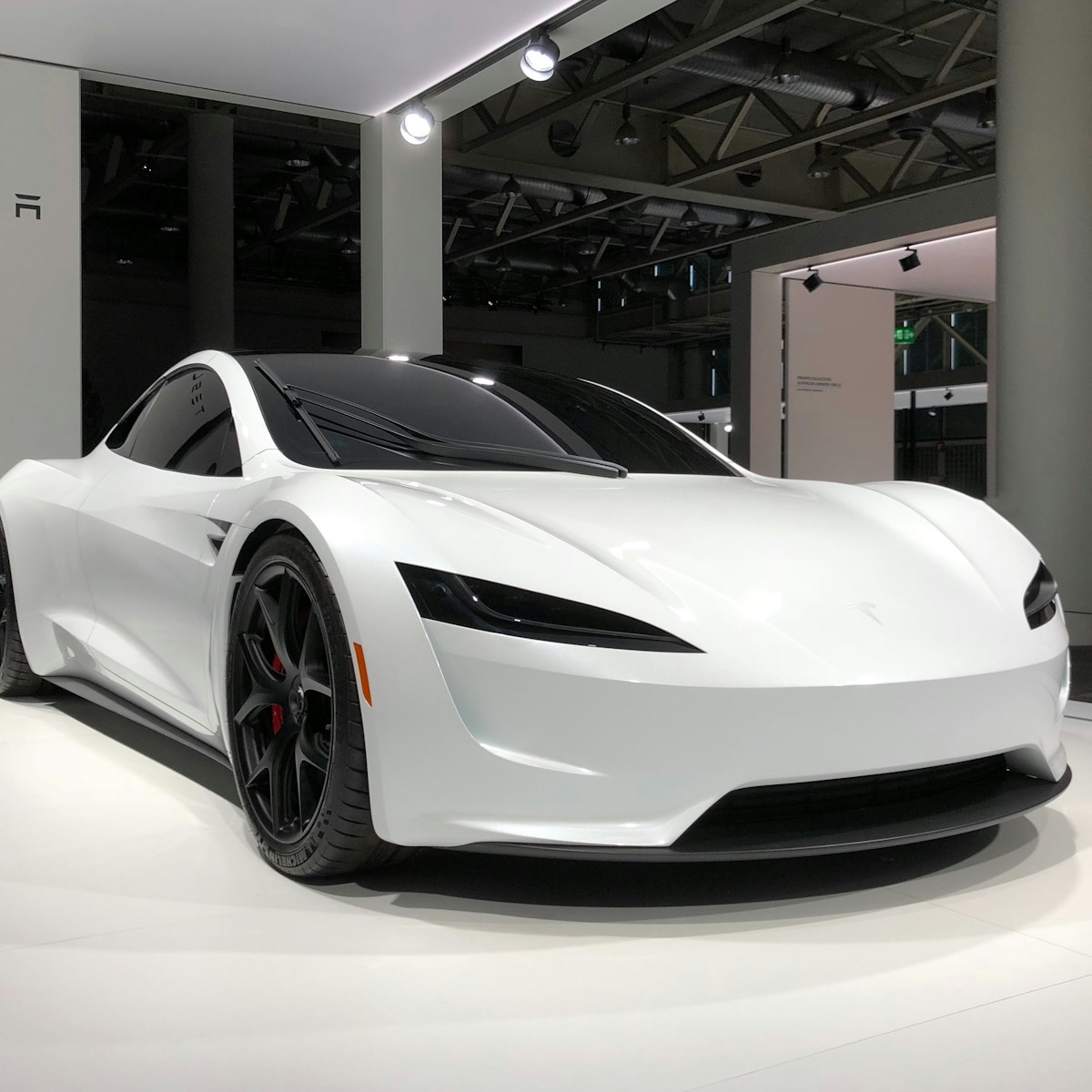
State Incentives: Your New Best Friend
Without federal credits, state-level incentives become critical. Here’s what major EV markets are offering in 2026:
- California: Up to $5,000 rebate for income-qualified buyers; additional $2,500 for used EVs
- New York: $2,000-$3,000 rebate depending on vehicle type
- Colorado: Up to $5,000 rebate for new EVs
- Massachusetts: $1,500-$2,500 rebate
- Vermont: Up to $4,000 rebate
Check your state’s Department of Energy website or energy office for current programs. Some states have income limits, so verify eligibility before shopping.

Used EV Market Boom: The Best Deals in 2026
As lease programs from 2020-2023 mature, used EVs are flooding the market. This creates unprecedented opportunities for budget-conscious buyers.
Why used EVs are attractive in 2026:
- 3-5 year old EVs selling for $20,000-$30,000 (vs. $50,000+ new)
- Battery degradation is minimal (most lose only 5-10% capacity in 5 years)
- Manufacturer warranties often transfer to second owners
- Certified pre-owned (CPO) programs offer additional peace of mind
- State incentives often apply to used EVs too
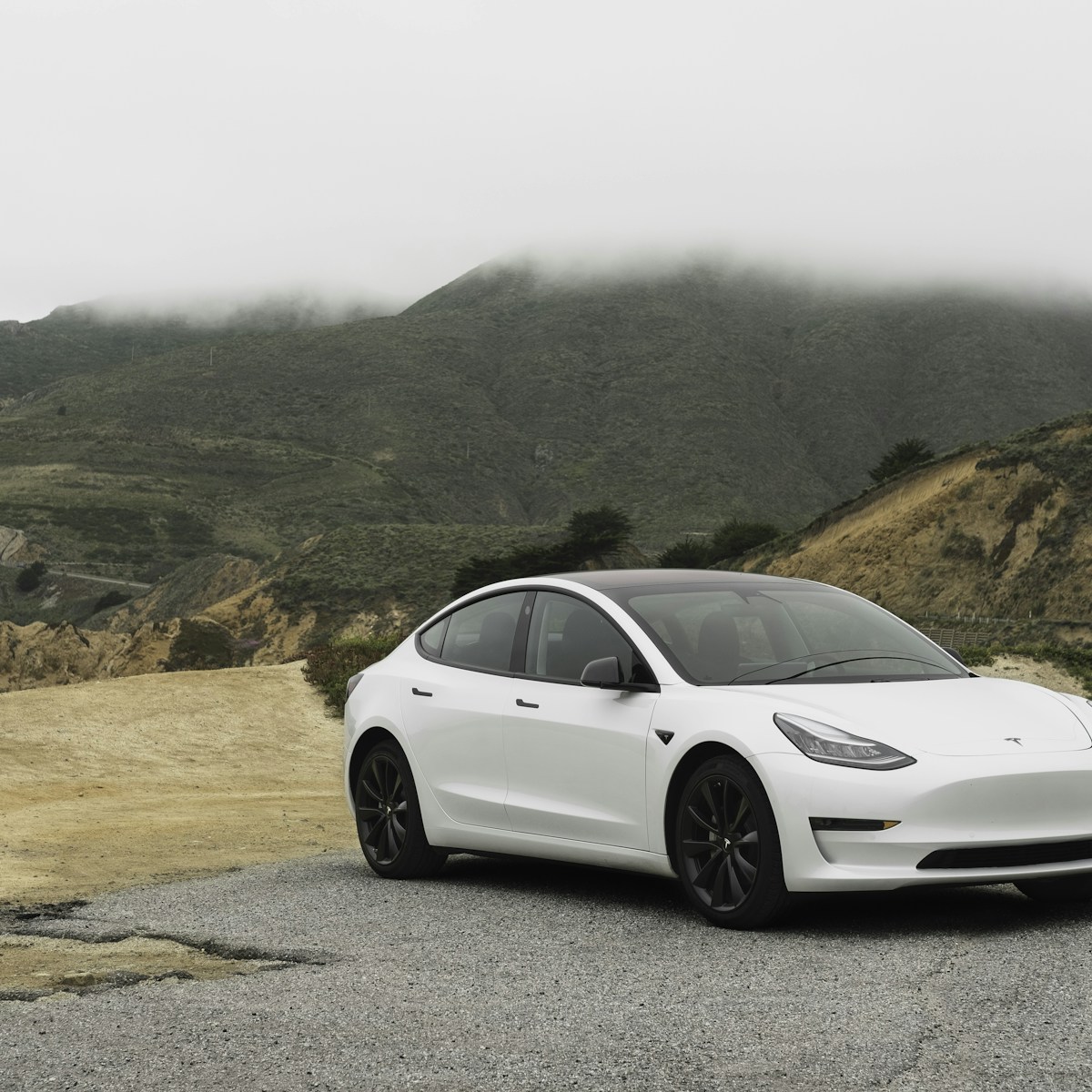
A 2021-2022 Tesla Model 3 or Chevy Bolt can be found for $25,000-$28,000 in 2026, making EV ownership accessible to middle-income buyers for the first time.
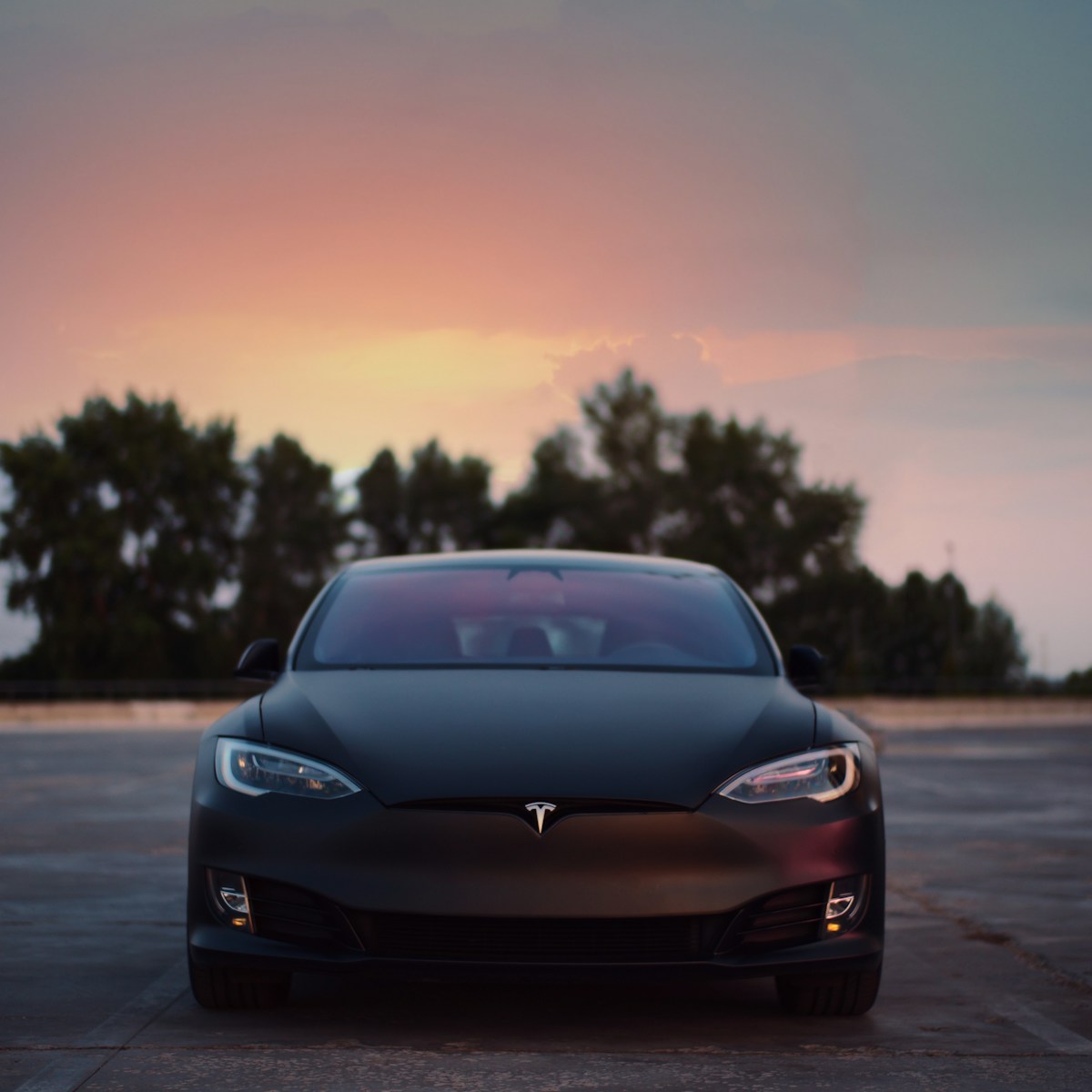
Charging Infrastructure: Still Expanding (But Unevenly)
The good news: charging networks are growing. The bad news: coverage remains uneven, especially in rural areas.
2026 charging landscape:
- Tesla Supercharger network opening to non-Tesla vehicles (expanding access)
- Public DC fast-charging stations increasing 30-40% year-over-year
- Home charging installation costs dropping ($500-$1,500 for Level 2)
- Workplace charging becoming standard at major employers
- Rural charging still lagging (plan long trips carefully)
Before buying an EV in 2026, map your daily commute and long-distance routes using PlugShare or ChargePoint. Ensure charging is accessible where you live, work, and travel frequently.

Financing EVs in 2026: Better Rates, Stricter Credit Requirements
Interest rates are finally declining, but lenders are more selective about credit scores.
- Excellent credit (750+): 4.5%-5.5% APR
- Good credit (700-749): 5.5%-6.8% APR
- Fair credit (650-699): 7.0%-9.0% APR
EV-specific financing programs from manufacturers (Tesla, Hyundai, Kia) often offer competitive rates. Compare offers from at least three lenders before committing.

Lease vs Buy: Which Makes Sense in 2026?
Without federal tax credits, the lease vs buy calculation has shifted:
- Lease is better if: you want the latest tech, prefer lower monthly payments, and drive under 12,000 miles/year
- Buy is better if: you plan to keep the car 5+ years, drive high mileage, or want to build equity
In 2026, buying a used EV often beats leasing a new one on total cost of ownership.
FAQs: EV Incentives & Pricing 2026
Q: Is there any federal EV tax credit left in 2026?
A: No. The federal credit expired September 2025. Focus on state incentives instead.
Q: Should I buy or lease an EV in 2026?
A: Buying a used EV (2021-2023) often provides better value than leasing new. Compare total 5-year costs.
Q: Are EV batteries reliable after 5 years?
A: Yes. Most EVs retain 90-95% battery capacity after 5 years. Manufacturer warranties cover degradation.
Q: What’s the best EV for 2026?
A: Tesla Model 3/Y lead in charging network and tech. Hyundai/Kia offer best value. Chevy Bolt is most affordable.
Q: Can I get a state incentive for a used EV?
A: Yes, many states offer rebates for used EVs. Check your state’s program for eligibility.
Related Guides on PlaceCar
- Online Car Buying: Complete Guide 2026
- EV Incentives & Pricing Shifts 2026
- First-Time Car Buyer’s Complete Guide 2026
Final Thoughts
The 2026 EV market is more accessible than ever, despite the loss of federal credits. State incentives, lower prices, and a booming used market create genuine opportunities. Whether you’re buying new or used, prioritize charging access, compare financing offers, and factor in state incentives. The EV transition is real—and 2026 is an excellent time to join it.
Ready to go electric? Start by checking your state’s incentive programs, then compare new vs used options in your price range. The best EV deal in 2026 is waiting for you.