
Used Car Market Recovery 2026: Buyer’s Advantage – Best Deals in Years
Used Car Market Recovery 2026: Buyer’s Advantage – Best Deals in Years
After years of supply shortfalls and sky-high prices, the used car market in 2026 has swung decisively in favor of buyers. Lease returns are flooding inventory, production bottlenecks are easing, and dealer lots are congested with 3- to 5-year-old vehicles that still feel new but cost thousands less. This guide shows how to get the best deal today, what to negotiate, and how to avoid stale inventory traps.
Why 2026 Is Truly a Buyer-Friendly Used Market
Several structural shifts are creating the perfect storm for bargain hunting:
- Lease returns spike: Vehicles leased in 2020-2022 are now hitting dealership lots at a clip, increasing used inventory by roughly 30% year-over-year.
- New production stabilizes: Supply chain issues are resolved, so fewer shoppers are being forced into used cars simply because new models are backlogged.
- Prices are cooling: Average monthly selling prices for 3-5 year old vehicles have dropped 8%-12% since the 2025 peak.
- Interest rates finally easing: Used-car loan APRs are averaging 6.8%, down from the 8% high of 2024.
- Dealers need to move inventory: Lots are overcrowded and holding costs are rising, so sales staff are eager to negotiate.
The result: in almost every major metro, buyers face less competition, more transparency, and stronger negotiation leverage than since before the pandemic.
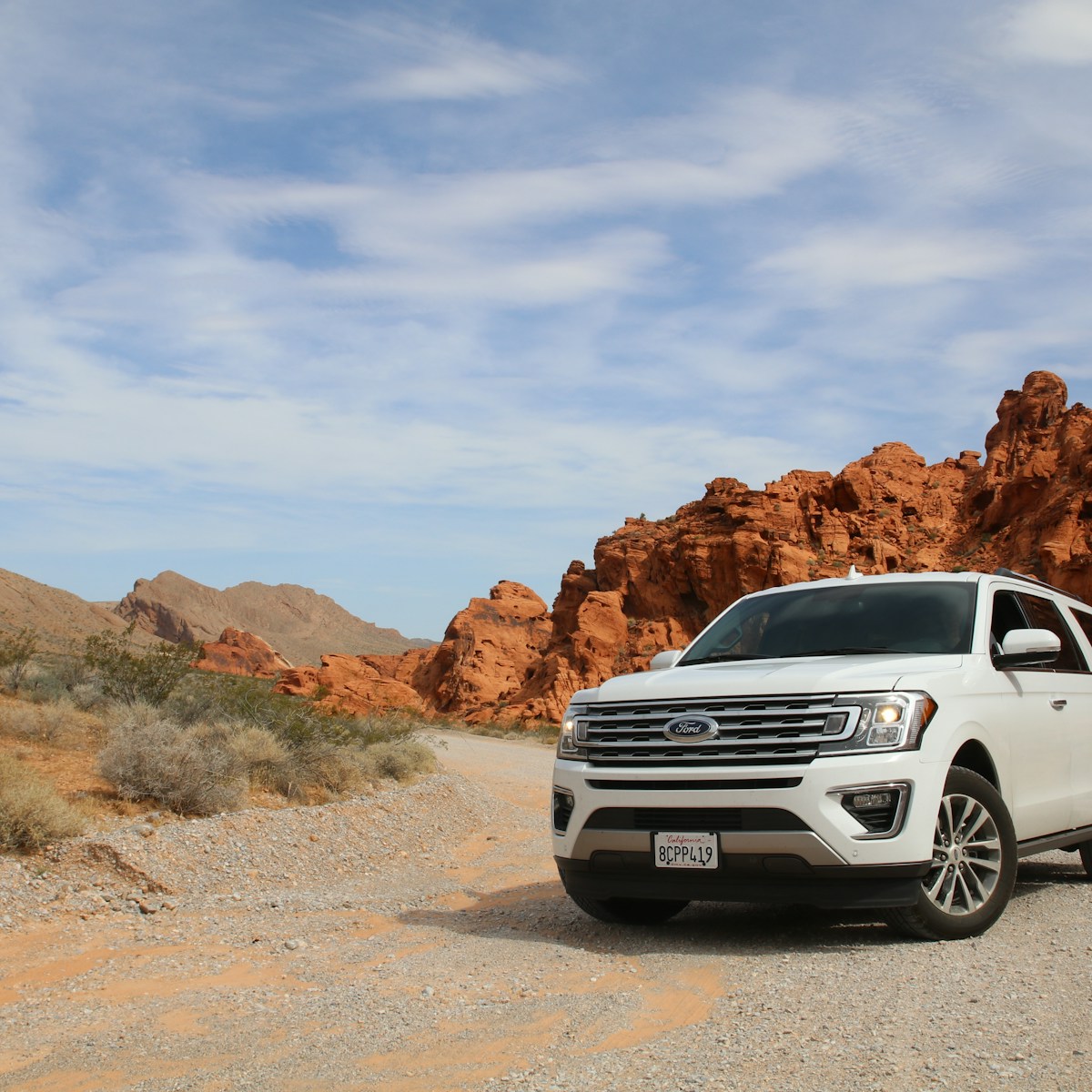
Inventory to Target in 2026
Some segments offer more upside than others. Focus on models with healthy resale values, manageable maintenance costs, and high lease return volume:
- Electric vehicles: 2020-2022 Tesla Model 3/Y, Chevy Bolt, Ford Mustang Mach-E — still under warranty and priced 15-20% below new.
- Reliable sedans: Toyota Camry, Honda Accord, Hyundai Sonata (3-5 years old) deliver modern safety tech and low ownership costs.
- Crossover/SUV crowd-pleasers: Toyota RAV4, Honda CR-V, Subaru Forester, Kia Sportage are everywhere and maintain value.
- Trucks & SUVs with capability: Toyota Tacoma, Ford F-150, Chevy Colorado — the 2021-2023 models are especially well-equipped.
- Luxury bargains: 2019-2020 BMW 3-Series, Mercedes C-Class, Lexus RX provide premium experience without the depreciation hit.
Inspecting large, national dealer groups and subscription platforms (Carvana, Vroom, etc.) keeps you aware of the freshest stock.
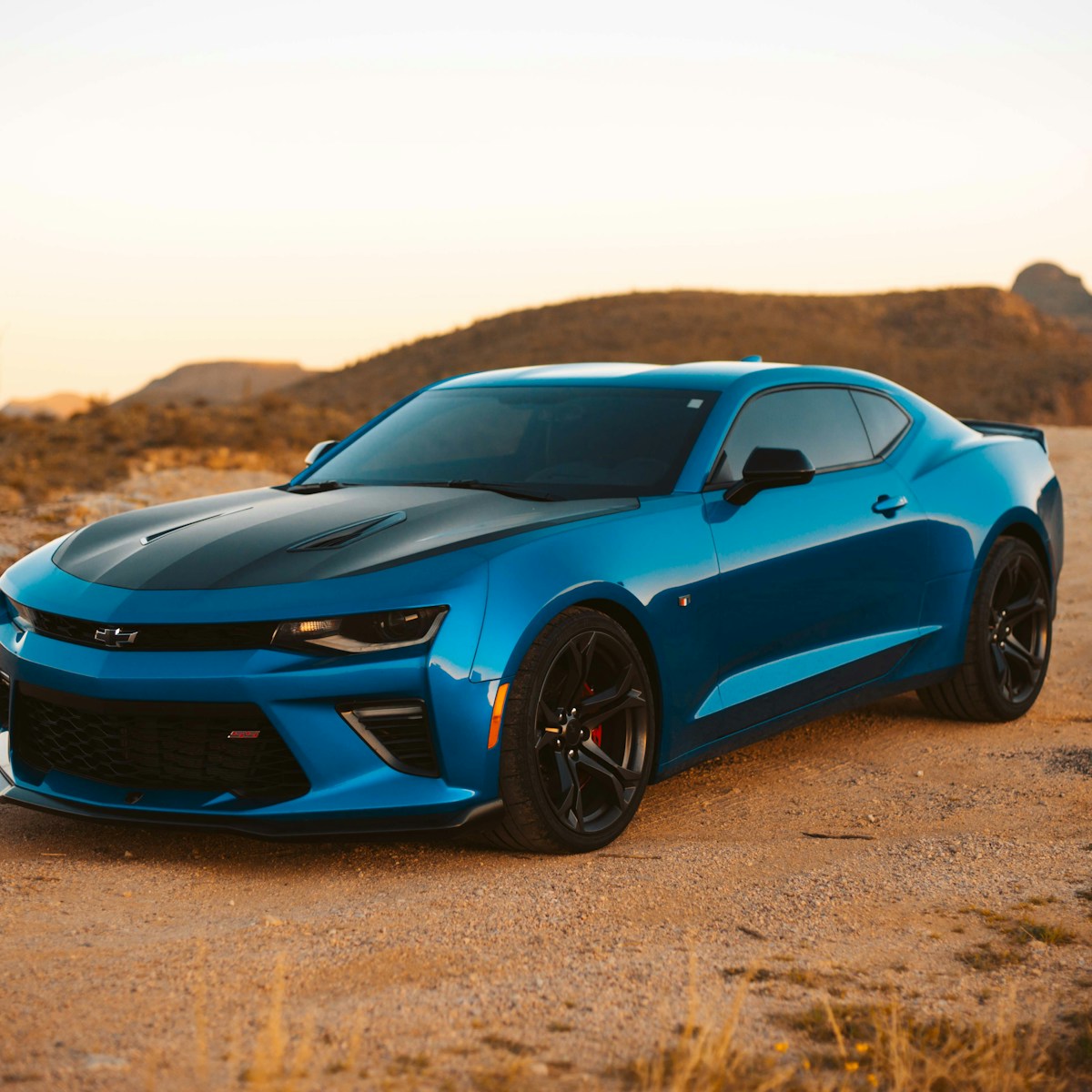
CPO vs. Private Party: Which Should You Choose?
Certified Pre-Owned (CPO) vehicles cost 5%-10% more than comparable private-party cars but come with dealer-backed inspections, extended warranties, and often 7-day return windows. They are ideal for buyers who prioritize peace of mind and warranty coverage.
Private-party purchases can undercut dealers by 10%-15%, especially after shopping aggressively across Craigslist, Facebook Marketplace, and AutoTrader private listings. The downside: no warranty, no recourse if issues arise, and you must manage inspections yourself.
In 2026, a hybrid approach works best: use dealer/CPO inventory to understand fair pricing, then target private listings priced slightly lower and leverage inspection reports to negotiate.

Pre-Purchase Rituals That Still Matter
Step 1: Set your price ceiling
Use multiple valuation sources (KBB, NADA, Edmunds) to triangulate a fair price. Look at at least eight comparable listings in your zip code — note mileage, trim, and extra packages. Aim for a target price 5%-10% below the asking price.
Step 2: Pull a vehicle history report
Carfax and AutoCheck remain essential. Key warnings include:
- Accidents with structural or frame damage
- Salvage or flood titles
- Odometer rollbacks
- Lemon law buybacks or branded titles
- Service gaps that suggest neglect
Step 3: Schedule an independent inspection
For $100-$200, a mechanic can perform a pre-purchase inspection (PPI) that catches engine/transmission issues, suspension wear, electrical gremlins, and frame repairs. This step is non-negotiable when buying older vehicles.
Step 4: Secure financing or proof of funds
Whether you choose bank financing, credit union loans, or dealer financing, get pre-approved before negotiation. This prevents dealers from padding rates or confusing you with add-ons.
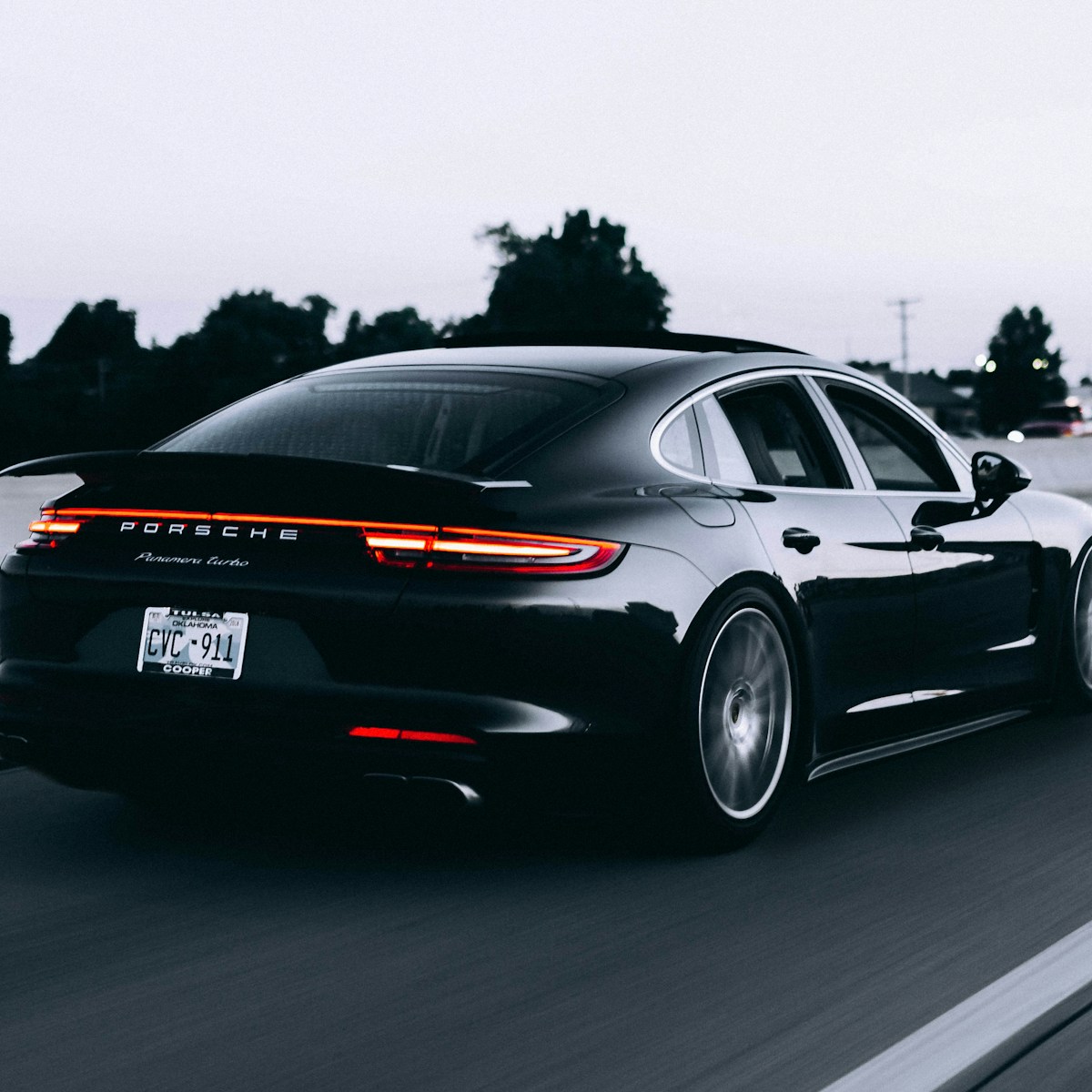
Negotiate Like a 2026 Pro
- Lead with your research. Quote your target price, backed by KBB/Edmunds data and competitor listings.
- Don’t mix negotiations. Ask about the price before mentioning trade-ins or financing.
- Use inspection findings as leverage to drop the price or mandate repairs.
- Ask for a breakdown of dealer fees, documentation fees, and accessories; some can be waived.
- If financing through the dealer, compare the APR with your pre-approval and push for the lower rate.
- Be ready to walk away — dealers are sitting on aging stock and want to move it.

Best Months to Buy in 2026
The best deals typically align with these timing windows:
- January-February: Dealers clear pre-owned inventory post-holidays.
- Late spring (May-June): Lease returns from early 2023 flush inventories.
- November-December: Year-end bonuses and sales goals push dealers to discount.
Monitor inventory in these windows, but keep alerts on year-round — great deals appear any time the market softens.
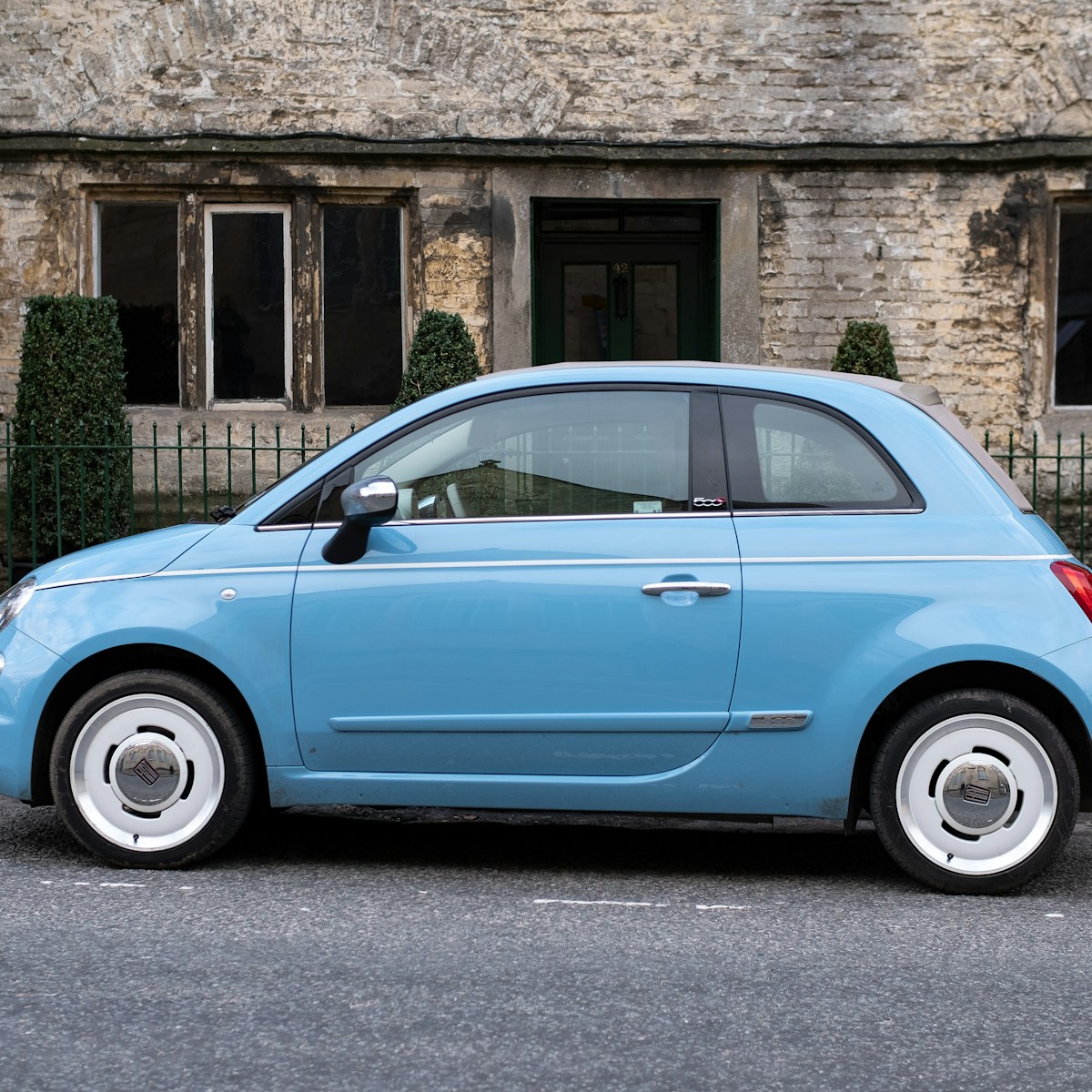
Online Tools & Apps That Make It Easier
- Autotrader & Cars.com: Filters for certified listings and local dealers with transparent prices.
- Carvana/Vroom: Transparent pricing plus home delivery and 7-day return policy.
- Facebook Marketplace: Private sellers, but verify profiles and insist on inspections.
- Bring a Trailer: Good for enthusiast vehicles, albeit more competitive.
- CarGurus: Deal rating system that surfaces the best deals near you.
Vehicular Insurance & Cost of Ownership in 2026
Insurance premiums vary dramatically by model grade and mileage. Use quotes from at least three providers beforehand. Key tips:
- Choosing a slightly older trim can drop premiums significantly.
- Maintain a clean driving record for the best used-car rates.
- Bundle auto and home policies for multi-car discounts.
In addition to insurance, budget for routine maintenance, which is typically 30%-40% lower for a 2020-2022 vehicle versus a brand-new one.

Warranty Strategies
- Factory warranty: Many 3-5 year old cars still have transferable factory coverage. Confirm the expiration date and register the vehicle if you buy privately.
- Extended warranty: If you plan to keep the car beyond warranty, negotiate the cost (dealers often mark up 20%-30%). Third-party providers can be cheaper, but read the fine print.
- Gap insurance: Strongly consider it if financing more than 80% of the vehicle’s value.
Checklist for 2026 Used Car Buyers
- ☐ Set budget (cash or monthly payment) before browsing
- ☐ Research 5-7 comparable listings to anchor price
- ☐ Pull Carfax/AutoCheck for every contender
- ☐ Schedule independent inspection
- ☐ Get pre-approved for financing
- ☐ Negotiate price and fees separately
- ☐ Confirm warranty, gap insurance, and maintenance history
- ☐ Inspect documentation upon delivery (title, bill of sale, odometer disclosure)
- ☐ Transfer plates and register within your state’s window
FAQs: Used Car Market 2026
Q: Is 2026 really better than 2024/25 for buyers?
A: Yes. More inventory plus lower prices and softened loan APRs give buyers leverage that disappeared during the pandemic.
Q: Should I buy from a dealer or private seller?
A: Dealer purchases (especially CPO) offer warranties and oversight, while private sales cut cost dramatically. Balance risk tolerance with price goals.
Q: How much should I expect to negotiate off the sticker?
A: Aim for 5%-10% below the listed price — some dealers will go higher if the vehicle has been on the lot for 30+ days.
Q: Are electric vehicles a good used buy?
A: Absolutely. 2020-2022 EVs often include remaining federal/state incentives transferable via tax credits/referrals, plus lower running costs.
Q: Do I still need a pre-purchase inspection?
A: Always. Even CPO cars should be inspected independently because dealers may overlook issues to move inventory.
Final Thoughts
If you’ve been waiting to replace a car, 2026 is your year. Markets are shifting, data is plentiful, and dealers need to move inventory. Do your homework, be patient, and don’t rush decisions. When everything aligns — a strong inspection, a clean history report, and a deal that respects your research — you’ll drive home a used car that feels new without paying new-car prices.
Ready to find your next used car? Bookmark this guide, set alerts on Autotrader and CarGurus, and start hammering dealers with the confidence of a buyer’s market.