
2026 Luxury EV Sedans: Complete Buyer’s Guide – Lucid Air, Tesla Model S & More
Introduction: The Rise of Luxury Electric Sedans
The luxury automotive market has undergone a seismic shift. In 2026, electric vehicles are no longer a niche category—they’re the standard-bearers of premium motoring. Luxury EV sedans combine cutting-edge technology, exceptional range, and refined performance in a package that appeals to discerning buyers worldwide.
This comprehensive guide explores the top luxury electric sedans available in 2026, comparing specifications, pricing, features, and real-world performance to help you make an informed decision. Whether you’re considering the affordable EV market or ready to invest in premium luxury, understanding your options is crucial.
Why Choose a Luxury EV Sedan in 2026?
Several factors make 2026 the ideal time to invest in a premium electric sedan:
- Superior Range: Modern luxury EVs now offer 300+ miles per charge, eliminating range anxiety.
- Fast Charging: 350kW+ chargers can add 200 miles in under 20 minutes.
- Tax Incentives: Federal and state credits reduce effective purchase prices significantly.
- Advanced Technology: OTA updates, AI-powered infotainment, and autonomous driving features.
- Lower Operating Costs: Electricity is cheaper than gasoline; maintenance is minimal.
- Environmental Impact: Zero direct emissions with increasingly clean power grids.
Top Luxury EV Sedans in 2026
1. Lucid Air: The King of Luxury EVs
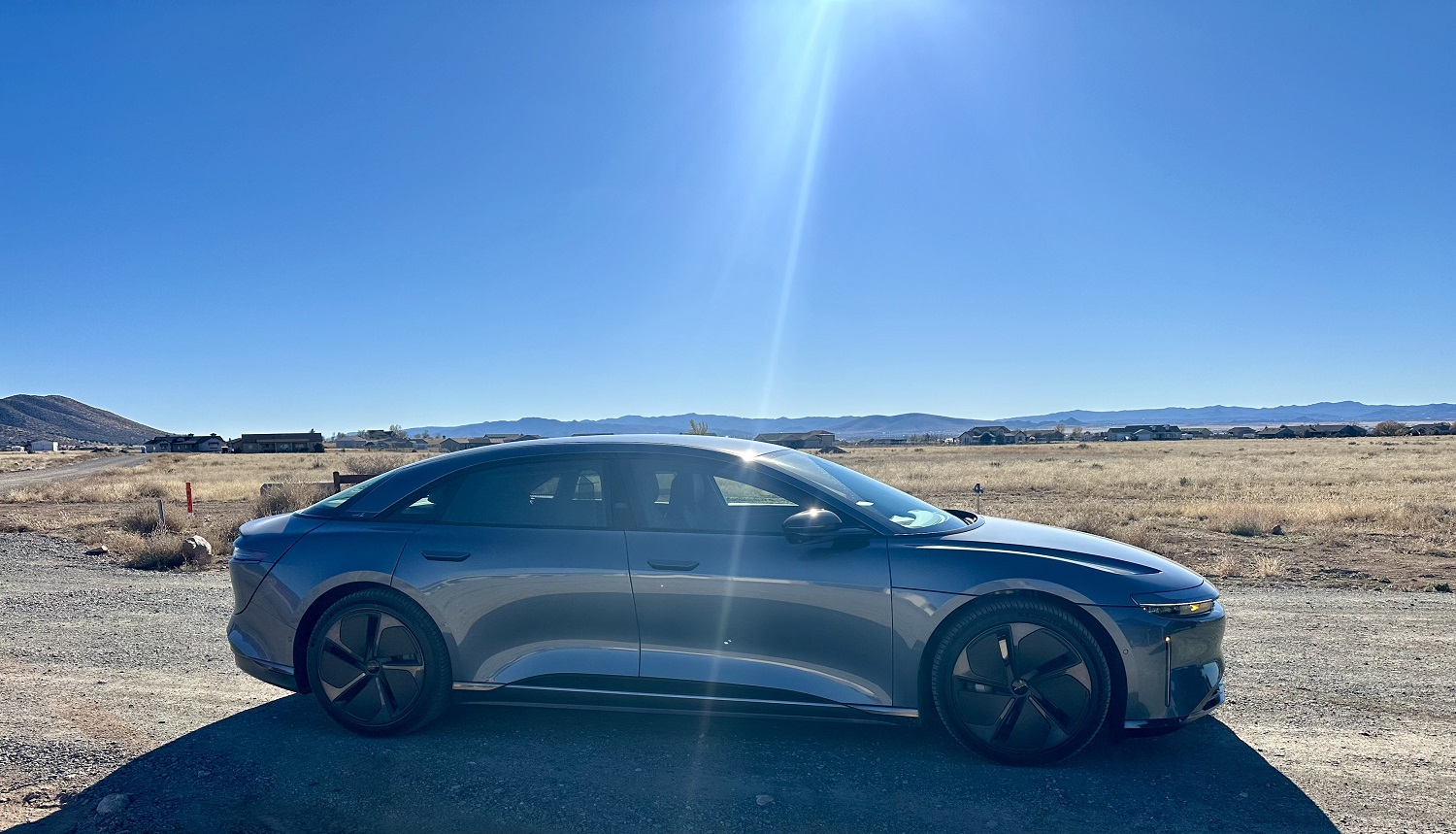
Starting Price: $69,900 | Range: Up to 516 miles | 0-60 mph: 2.5 seconds (Sapphire)
The Lucid Air remains the benchmark for luxury electric sedans in 2026. With its stunning design, exceptional range, and blistering acceleration, it’s the vehicle that set the standard for the entire category.
Key Features:
- Dual or tri-motor configurations delivering up to 1,234 horsepower
- Panoramic glass roof spanning the entire cabin
- Serenity interior with premium sustainable materials
- DreamDrive Pro advanced driver assistance systems
- Over-the-air software updates with continuous improvements
- Ultra-fast 900V architecture for rapid charging
Pros: Unmatched range, stunning design, exceptional performance, luxurious interior, innovative technology.
Cons: Premium pricing, limited dealer network, occasional software quirks, higher insurance costs.
2. Tesla Model S: The Performance Sedan
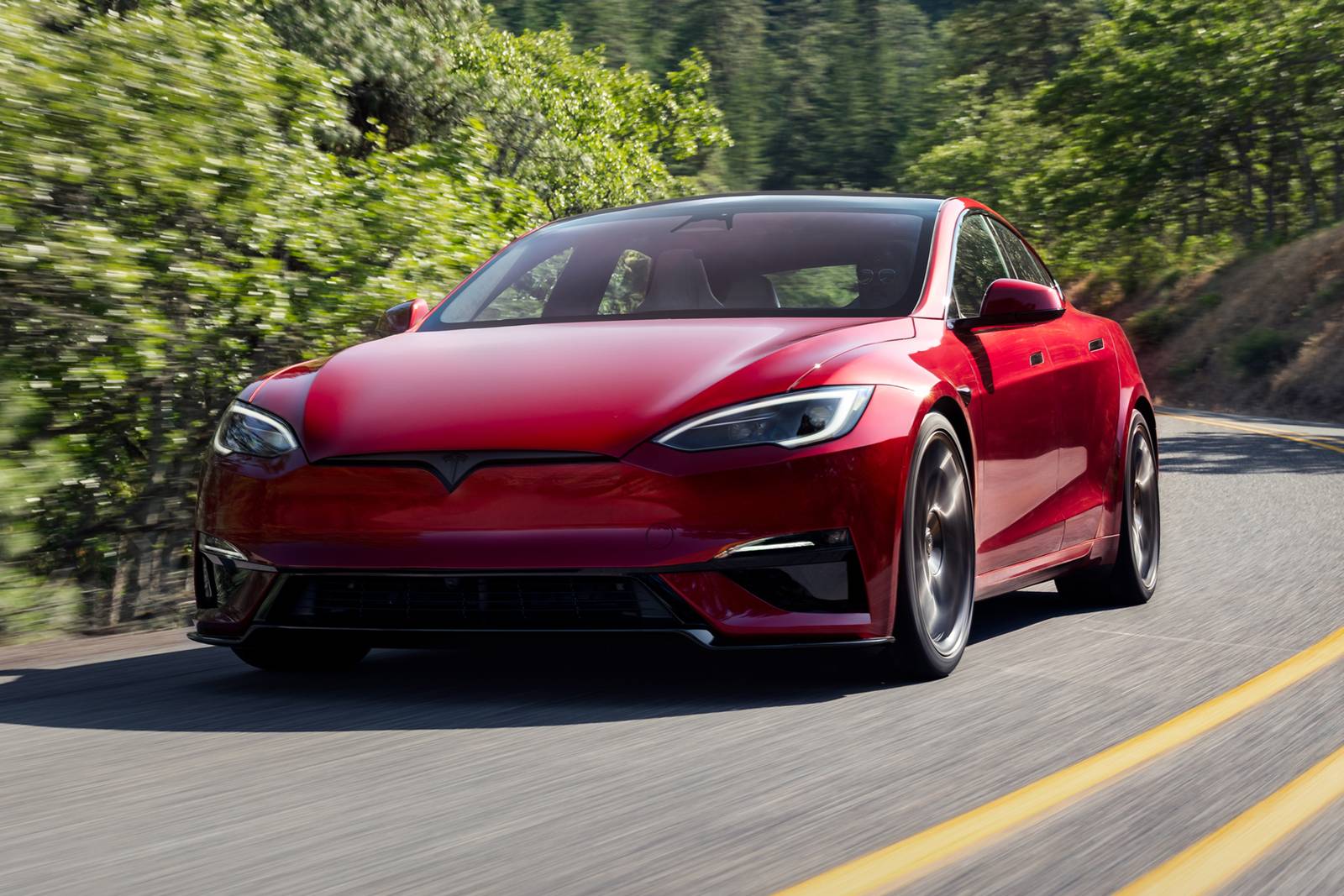
Starting Price: $73,990 | Range: Up to 405 miles | 0-60 mph: 1.99 seconds (Plaid)
Tesla’s flagship sedan combines blistering performance with cutting-edge technology. The 2026 Model S features a refreshed design, improved battery chemistry, and enhanced autonomous capabilities that continue to set industry standards.
Key Features:
- Supercharger network (50,000+ stations globally)
- Autopilot and Full Self-Driving capability
- Minimalist interior with 17-inch touchscreen
- Exceptional acceleration and handling dynamics
- Regular OTA updates with new features monthly
- Yoke steering wheel option (or traditional wheel)
Pros: Fastest acceleration, extensive charging network, proven reliability, strong resale value, continuous software improvements.
Cons: Minimalist interior may feel sparse, controversial CEO, service availability varies by region, build quality inconsistencies.
3. Mercedes-Benz EQE: German Engineering Meets EV Innovation
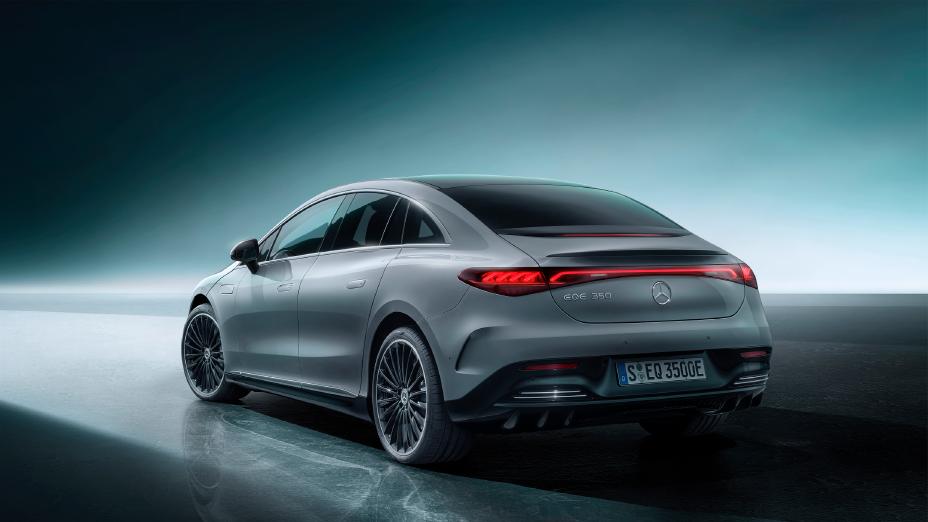
Starting Price: $104,400 | Range: Up to 350 miles | 0-60 mph: 5.5 seconds
Mercedes brings its legendary engineering to the EV space with the EQE. This sedan combines traditional luxury with modern electric performance, offering a familiar experience for Mercedes loyalists who value refinement over raw performance.
Key Features:
- Dual-motor AWD standard across all trims
- MBUX Hyperscreen infotainment spanning the dashboard
- Premium Burmester 3D surround sound system
- Adaptive air suspension with multiple drive modes
- Extensive safety suite with active steering assist
- Luxurious interior with ambient lighting (64 colors)
Pros: Exceptional build quality, luxurious interior, smooth ride, strong brand heritage, comprehensive warranty.
Cons: Higher price point, smaller cargo space, complex infotainment system, shorter range than competitors.
4. BMW i7: Luxury Redefined
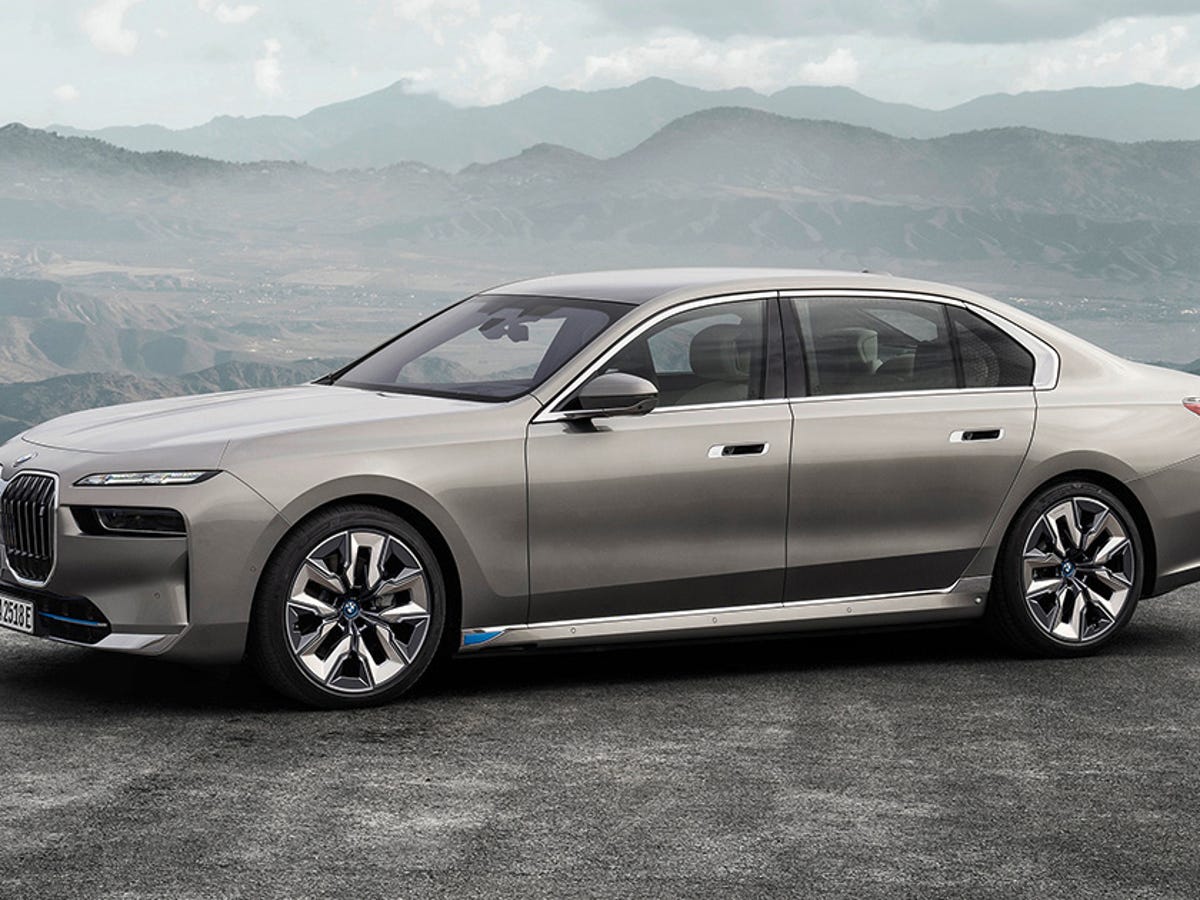
Starting Price: $111,900 | Range: Up to 324 miles | 0-60 mph: 4.6 seconds
BMW’s flagship i7 represents the pinnacle of luxury sedan engineering. With its distinctive design, cutting-edge technology, and refined driving dynamics, it appeals to buyers seeking the ultimate in premium motoring with the brand’s signature driving experience.
Key Features:
- Iconic illuminated kidney grille design
- Curved display technology with BMW Operating System 8
- Premium Merino leather and wood trim
- Adaptive suspension with air springs and active roll stabilization
- Advanced driver assistance systems with Highway Assistant
- Executive Lounge rear seating with theater screen
Pros: Distinctive design, exceptional comfort, premium materials, strong performance, rear-seat luxury features.
Cons: Premium pricing, controversial grille design, limited range compared to competitors, complex technology learning curve.
Comparison Table: 2026 Luxury EV Sedans
| Model | Starting Price | Range (EPA) | 0-60 mph | Seating | Cargo (cu ft) | Charging Speed |
|---|---|---|---|---|---|---|
| Lucid Air | $69,900 | 516 miles | 2.5s | 5 | 16.0 | 350kW |
| Tesla Model S | $73,990 | 405 miles | 1.99s | 5 | 28.0 | 250kW |
| Mercedes EQE | $104,400 | 350 miles | 5.5s | 5 | 22.6 | 170kW |
| BMW i7 | $111,900 | 324 miles | 4.6s | 5 | 18.0 | 195kW |
Charging Infrastructure & Costs
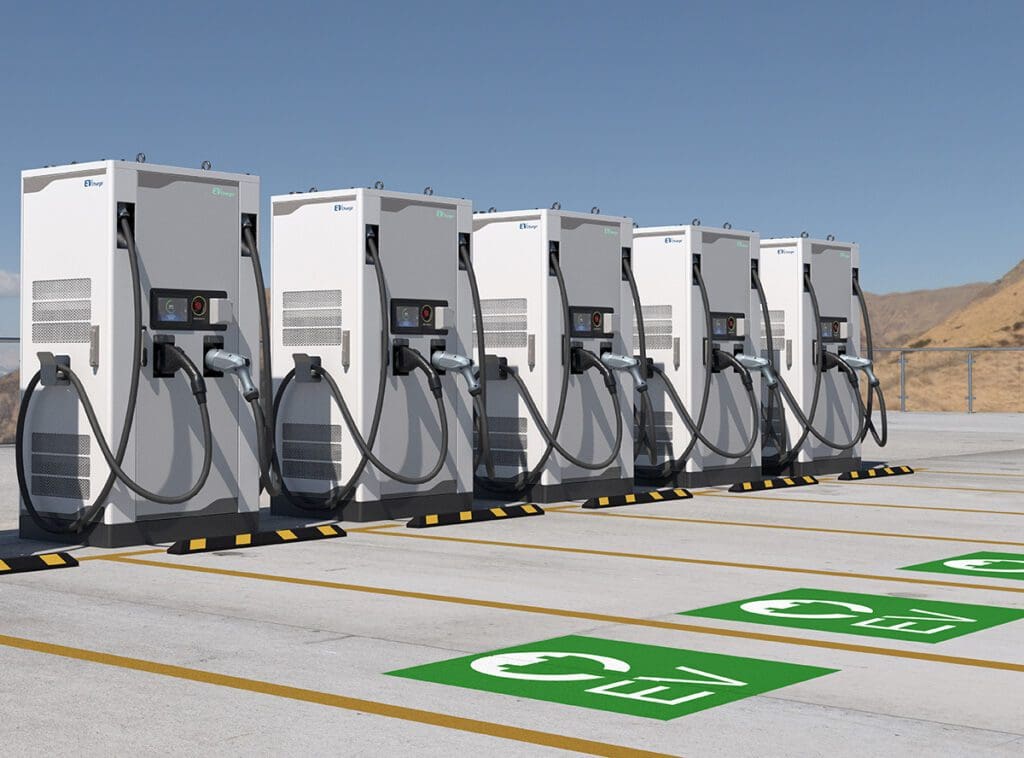
One of the most significant advantages of luxury EV sedans is the dramatically lower cost of “fuel.” Charging at home costs approximately $0.04-$0.06 per mile, compared to $0.10-$0.12 for gasoline vehicles. Over five years, this translates to savings of $5,000-$8,000 for typical drivers.
Charging Options:
- Level 1 (120V): 2-5 miles per hour (standard home outlet) – suitable for overnight charging
- Level 2 (240V): 25-30 miles per hour (home/public chargers) – most common home installation
- DC Fast Charging: 200+ miles in 20-30 minutes (highway corridors) – ideal for road trips
For luxury sedan buyers, home charging is typically the primary method, with DC fast charging reserved for long road trips. Most owners install a Level 2 charger at home for convenient overnight charging. Similar to family SUVs, charging infrastructure planning is essential for optimal ownership experience.
Technology & Autonomous Features
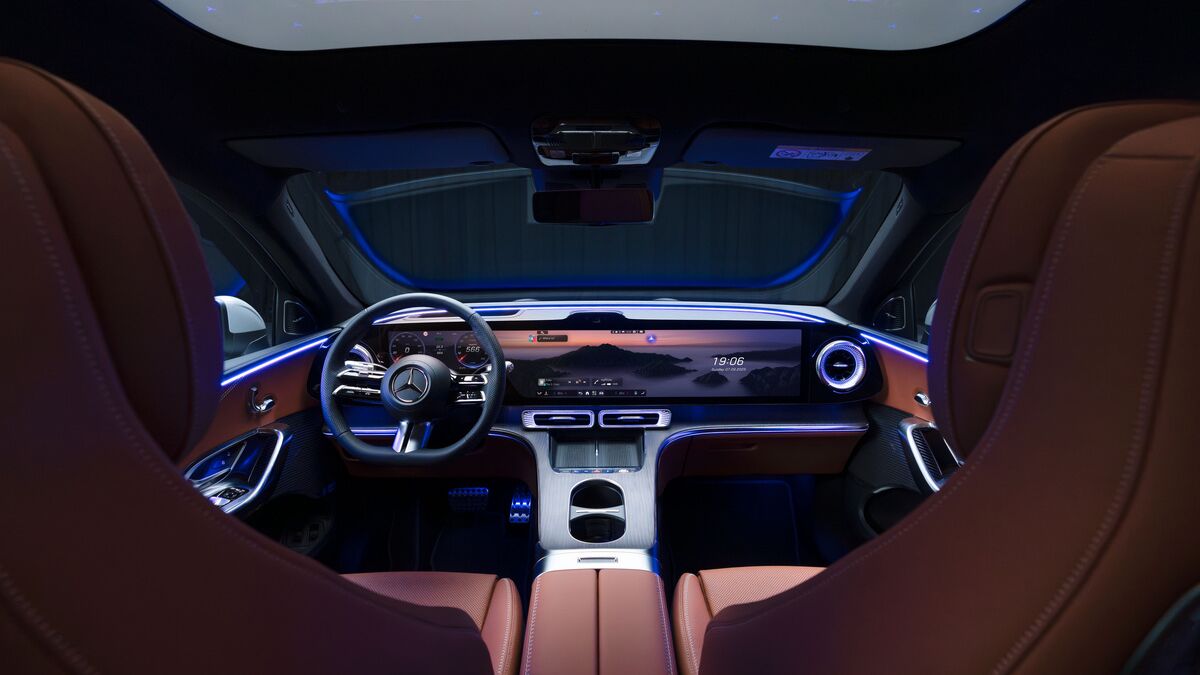
2026 luxury EV sedans represent the cutting edge of automotive technology. These vehicles showcase innovations that will eventually trickle down to mainstream models:
- Over-the-Air Updates: New features and improvements delivered wirelessly, keeping your vehicle current
- Advanced Driver Assistance: Lane keeping, adaptive cruise control, automatic parking, and traffic jam assist
- AI-Powered Infotainment: Natural language voice control, predictive navigation, and personalized recommendations
- Biometric Security: Facial recognition and fingerprint authentication for enhanced security
- Connected Services: Remote climate control, charging status monitoring, and vehicle diagnostics via smartphone
- Augmented Reality Displays: Head-up displays with navigation and safety information projected onto windshield
These ADAS safety features are becoming standard equipment in the luxury EV segment, offering peace of mind and convenience.
Real-World Ownership Experience
Beyond specifications, the ownership experience differs significantly between luxury EV sedans:
Lucid Air: Owners praise the exceptional range and stunning design but note limited service centers. The company is expanding its network, but availability remains a consideration for buyers outside major metropolitan areas.
Tesla Model S: The extensive Supercharger network provides unmatched convenience for road trips. However, service quality varies by location, and some owners report frustration with appointment availability.
Mercedes EQE: Traditional Mercedes dealership network provides familiar service experience. Owners appreciate the refined ride quality and luxurious interior, though some find the infotainment system overwhelming initially.
BMW i7: BMW’s established dealer network ensures consistent service. The rear-seat theater screen is a standout feature for chauffeur-driven buyers, though the controversial grille design remains polarizing.
Environmental Impact & Sustainability
Luxury EV sedans produce zero direct emissions, significantly reducing your carbon footprint. When charged with renewable energy, they’re among the cleanest vehicles on the road. Studies show that even when charged with grid electricity (including fossil fuel sources), EVs produce 50-70% fewer lifetime emissions than comparable gasoline vehicles.
Additionally, luxury EV manufacturers are increasingly using sustainable materials:
- Recycled aluminum and steel in body construction
- Plant-based leather alternatives (Lucid’s “Dream Ahead” interior)
- Responsibly sourced wood trim with FSC certification
- Battery recycling programs recovering 95%+ of materials
- Carbon-neutral manufacturing facilities (BMW Leipzig, Tesla Gigafactory)
Pricing & Incentives
Federal tax credits up to $7,500 are available for qualifying EV purchases in 2026, though income limits and vehicle price caps apply. Many states offer additional incentives, potentially reducing effective purchase prices by $10,000-$15,000.
Total Cost of Ownership (5 years):
- Lucid Air: ~$85,000 (after incentives, including fuel/maintenance savings)
- Tesla Model S: ~$88,000 (after incentives, including fuel/maintenance savings)
- Mercedes EQE: ~$115,000 (after incentives, including fuel/maintenance savings)
- BMW i7: ~$125,000 (after incentives, including fuel/maintenance savings)
When comparing to gasoline luxury sedans, EVs typically save $8,000-$12,000 over five years in fuel and maintenance costs alone. For detailed cost analysis, see our guide on total cost of ownership for hybrid vehicles.
Maintenance & Reliability
Electric vehicles require significantly less maintenance than traditional combustion engines, a major advantage for luxury sedan owners:
- No Oil Changes: Saves $500-$1,000 annually compared to luxury gasoline sedans
- Regenerative Braking: Brake pads last 2-3x longer, reducing replacement costs
- Fewer Moving Parts: No transmission, exhaust system, or timing belts to fail
- Battery Warranty: 8-10 years/100,000+ miles typical, with minimal degradation (5-10% over 10 years)
- Tire Wear: Heavier weight may increase tire wear, but premium tires last 30,000-40,000 miles
Most luxury EV manufacturers include complimentary maintenance for 3-4 years, covering tire rotations, cabin air filters, and software updates.
Insurance Considerations
Insurance costs for luxury EV sedans are typically 10-20% higher than comparable gasoline models due to:
- Higher vehicle replacement costs
- Expensive battery repair/replacement
- Specialized repair facilities and technicians
- Advanced technology and sensors
However, some insurers offer EV discounts (5-10%) recognizing lower accident rates due to advanced safety features. Shop multiple insurers and ask about EV-specific discounts.
Resale Value & Depreciation
Luxury EV resale values have improved significantly as the market matures:
Tesla Model S: Retains 55-60% of value after 3 years, among the best in the luxury EV segment. Strong brand recognition and Supercharger access contribute to demand.
Lucid Air: Limited data due to recent market entry, but early indicators suggest 50-55% retention. As the brand establishes itself, values should stabilize.
Mercedes EQE & BMW i7: Traditional luxury depreciation patterns apply (45-50% after 3 years), though better than early-generation EVs.
Factors affecting resale value include battery health certification, software update history, and charging infrastructure improvements in your region.
Conclusion: Choosing Your Luxury EV Sedan
The 2026 luxury EV sedan market offers exceptional choices for discerning buyers. Whether you prioritize range (Lucid Air), performance (Tesla Model S), traditional luxury (Mercedes EQE), or distinctive design (BMW i7), there’s a vehicle that matches your preferences.
Consider these factors when making your decision:
- Driving patterns: Daily commute vs. frequent road trips
- Charging infrastructure: Home charging capability and local DC fast charger availability
- Budget: Purchase price, incentives, and total cost of ownership
- Brand loyalty: Existing relationships with manufacturers and dealers
- Technology preferences: Minimalist vs. traditional luxury interfaces
All four vehicles represent the pinnacle of automotive engineering and offer compelling reasons to make the switch to electric luxury motoring. Test drive multiple models to experience the differences firsthand—the future of luxury transportation is electric, and 2026 is the perfect time to join the revolution.
For buyers considering extended protection, review our guide on extended car warranty companies to understand coverage options for luxury EVs.
Last updated: April 2026. Prices and specifications subject to change. Always verify current information with manufacturers and dealers.