
Why Honda Canceled the 0 Series EVs and What It Means for Buyers
Honda shocked the EV world in March 2026 by canceling the 0 Series SUV, 0 Series Saloon, and Acura RSX projects, citing tariffs, policy uncertainty, and softening demand. The move leaves a gap in the planned Honda/Acura EV lineup—especially the Acura RSX, which was positioned as a Tesla Model Y challenger. We break down what happened, what it means for EV buyers, and where Honda might pivot next.
Timeline of the 0 Series headlines
- 2024-2025: Honda teases the 0 Series platform and Acura RSX concept with Asimo OS AI, all-digital cockpits, and long-range targets.
- Jan 2026: Media coverage intensifies as Honda promises U.S. production, Ohio plant readiness, and targeted U.S. delivery in 2026.
- March 2026: Car and Driver, InsideEVs, and Honda Newsroom all confirm the cancellation, citing tariffs & policy headwinds.
Why Honda pulled the plug
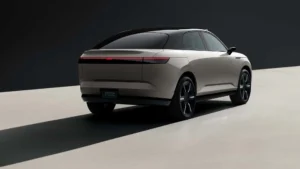
Honda’s internal memo mentions three reasons: (1) tariffs and trade uncertainty made margins razor-thin; (2) the broader EV market cooled unexpectedly, with federal incentives shifting; (3) the company wants to focus on hybrid investments and the new Honda e:Architecture rather than hardware-heavy projects where demand isn’t guaranteed.
That cancellation also removes the Acura RSX as an instant competitor for electric SUVs like the Tesla Model Y and Ford Mustang Mach-E, pushing Honda to lean on collaborative projects with Subaru (Getaway EV) and Toyota (bZ4X derivatives).
What it means for buyers
The cancellation signals that even well-funded automakers will pause big EV bets if policy shifts, so buyers should prioritize models with confirmed production timelines.
- Consider registered EVs: Focus on models already tooling for production—EV launches such as the Best Electric SUVs 2026 list are safer bets.
- Federal tax credits: The Honda move makes room for other brands to capture the North American tax credit slots; watch for GM, Hyundai, and Toyota claims.
- Used-car demand: Honda’s pause boosts interest in lightly used EVs with proven reliability (think Tesla Model Y, Kia EV6).
Where Honda might pivot
Honda isn’t abandoning EVs—it’s redirecting resources to the upcoming Honda e:Architecture, which prioritizes shared platforms, software (Asimo OS), and partnerships (General Motors in North America). Expect the company to bring more hybrid-electric SUVs and plug-ins before fully committing to a refreshed pure EV lineup.
Meanwhile, the Acura brand will likely double down on the MDX/MDX Hybrid family and the existing SH-AWD system while prepping the RDX EV concept as a future flagship.
FAQ
Q: Is Honda still building EVs?
Yes—Honda still invests in EVs but re-scopes projects to reduce upfront risk. The e:Architecture platform and GM collaboration will deliver EVs later in the decade.
Q: When will Honda release a competitor to the Model Y?
Not in 2026. Honda now focuses on hybrid and plug-in rollout in 2026–27, so expect a pure EV follow-up in 2027–2028, likely derived from the collaborative platform.
Q: Should buyers wait for the RSX?
With the RSX canceled, buyers should instead focus on available EVs or canalize funds to the Hyundai IONIQ EARTH SUV or BMW Neue Klasse models.
Q: What’s the co-branded strategy with Subaru/Toyota?
The Subaru Getaway EV and Toyota Highlander EV continue as planned, delivering the reliable AWD platforms Honda likes for winter markets.
What to do next
If you’re shopping for an EV in 2026, focus on models with confirmed production timelines and strong dealer networks. Compare specs, read owner reviews, and test drive before committing to a reservation.
See our other resources for buying cool EVs in 2026: First-Time Car Buyer’s Guide and Best Electric SUVs 2026.