
Plug-In Hybrid vs Full Hybrid: Which Saves More Money in 2026?
When shopping for a hybrid vehicle in 2026, you’ll encounter two distinct powertrains: plug-in hybrids (PHEVs) and full hybrids (HEVs). Both promise fuel savings and lower emissions, but they work differently—and cost differently. This guide breaks down the real financial differences so you can choose the right hybrid for your wallet and driving habits.
What’s the Difference Between PHEV and HEV?
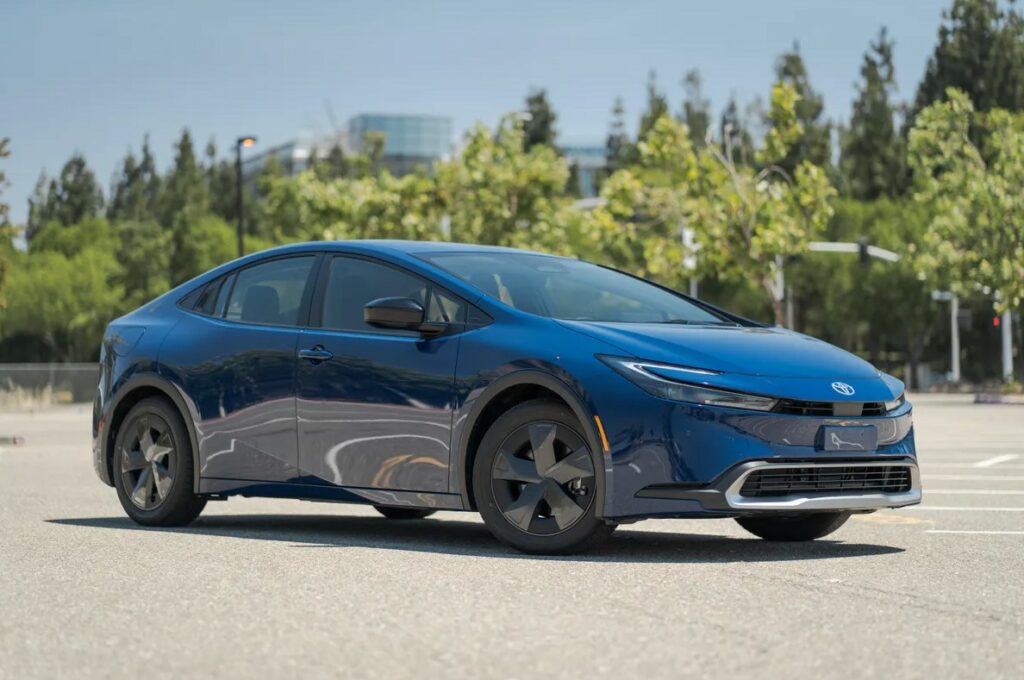
The core difference lies in the battery and charging capability:
Full Hybrid (HEV): Uses a small battery that charges itself through regenerative braking. You never plug it in. The gas engine and electric motor work together seamlessly, with the electric motor handling low-speed city driving and the gas engine kicking in for highway cruising.
Plug-In Hybrid (PHEV): Has a larger battery (typically 10–50 kWh) that you charge at home or at a public charging station. PHEVs can run on electric power alone for 20–50 miles before the gas engine engages. This makes them ideal for commuters with predictable daily routes.
Purchase Price: PHEV Costs More Upfront
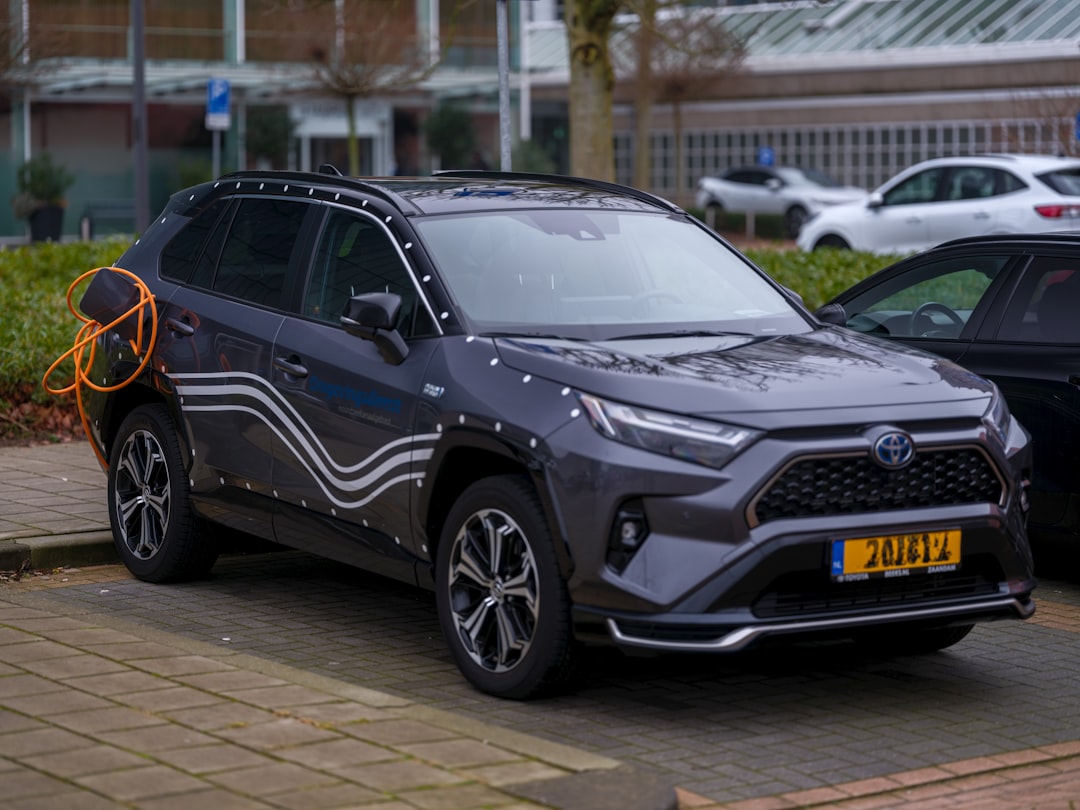
PHEVs command a premium over full hybrids due to their larger battery and dual-powertrain complexity:
Full Hybrid (HEV): $2,000–$5,000 more than a comparable gas vehicle.
Plug-In Hybrid (PHEV): $8,000–$15,000 more than a comparable gas vehicle (but may qualify for federal tax credits up to $7,500 in 2026).
After federal incentives, a PHEV’s upfront cost premium shrinks significantly. However, not all PHEVs qualify for the full credit—check eligibility based on battery size and assembly location.
Fuel and Energy Costs: Where PHEVs Win (If You Charge)
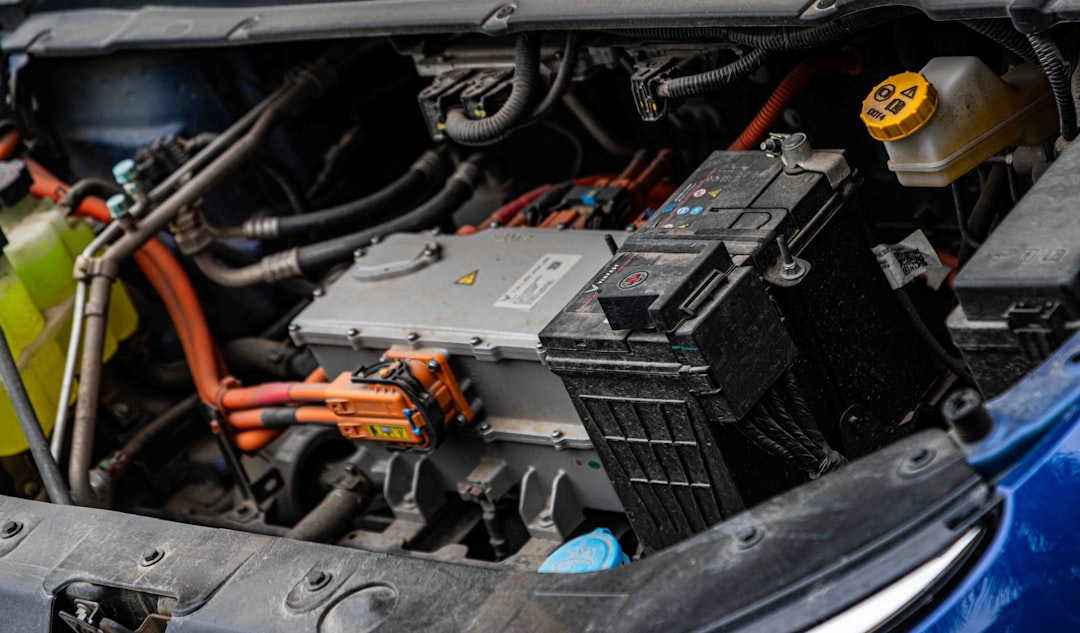
This is where the math gets interesting. Electricity is cheaper than gasoline, but only if you actually charge your PHEV.
Full Hybrid (HEV): Typical fuel economy is 45–55 MPG. At $3.50/gallon, a 12,000-mile annual drive costs roughly $840 in fuel.
Plug-In Hybrid (PHEV) – Home Charging: If you charge daily and drive 30 miles on electric power, you’re using electricity for 75% of your commute. At $0.14/kWh (U.S. average), charging costs about $0.04 per mile. For 12,000 miles (9,000 electric + 3,000 gas), annual fuel/energy cost drops to roughly $420.
Plug-In Hybrid (PHEV) – No Home Charging: If you can’t charge at home and rely on public chargers or gas, a PHEV loses its advantage. You’re paying premium prices for a larger battery you can’t fully utilize.
Winner for fuel costs: PHEV with home charging (saves ~$420/year vs. HEV).
Maintenance: HEV Wins on Simplicity

Full hybrids have fewer moving parts and simpler powertrains, translating to lower maintenance costs:
Full Hybrid (HEV): Brake wear is minimal (regenerative braking does most of the work). Oil changes, air filters, and spark plugs follow normal schedules. Battery replacement is rare and typically covered under warranty (8 years/100,000 miles).
Plug-In Hybrid (PHEV): More complex dual-powertrain means more potential failure points. Battery degradation is a concern over time, though modern PHEV batteries are durable. Warranty coverage is similar to HEVs, but repair costs can be higher if issues arise.
Winner for maintenance: HEV (simpler, lower repair risk).
Insurance and Registration
Insurance premiums are similar between HEVs and PHEVs, typically 5–10% higher than comparable gas vehicles. Some states offer registration discounts for PHEVs, which can offset the premium.
5-Year Total Cost of Ownership Comparison

Let’s compare a hypothetical $35,000 gas SUV against a $40,000 HEV and a $48,000 PHEV (before incentives):
| Cost Factor | Gas SUV | Full Hybrid (HEV) | PHEV (with home charging) |
|---|---|---|---|
| Purchase Price | $35,000 | $40,000 | $48,000 |
| Federal Tax Credit | $0 | $0 | -$7,500 |
| Net Purchase Price | $35,000 | $40,000 | $40,500 |
| 5-Year Fuel/Energy | $4,200 | $2,100 | $2,100 |
| Maintenance (5 years) | $2,500 | $1,800 | $2,200 |
| Insurance (5 years) | $6,000 | $6,500 | $6,500 |
| Resale Value (50%) | -$17,500 | -$20,000 | -$20,250 |
| 5-Year Total Cost | $30,200 | $30,400 | $31,050 |
Key insight: Over 5 years, HEVs and PHEVs are cost-competitive with gas vehicles—but PHEVs require home charging to justify the premium. Without charging access, a full hybrid is the smarter financial choice.
Which Should You Choose?
Choose a Full Hybrid (HEV) if:
- You don’t have reliable home charging access
- You want simplicity and lower maintenance risk
- You drive mixed city/highway routes without a predictable pattern
- You want the lowest upfront cost among hybrids
Choose a Plug-In Hybrid (PHEV) if:
- You have home charging (garage or driveway outlet)
- Your daily commute is under 40 miles
- You want maximum fuel savings and lowest emissions
- You qualify for federal tax credits in your state
- You’re willing to pay more upfront for long-term savings
The Bottom Line
Both PHEVs and HEVs save money compared to gas vehicles, but in different ways. Full hybrids offer simplicity and reliability without charging infrastructure. Plug-in hybrids deliver deeper fuel savings—but only if you can charge at home. Before deciding, calculate your true commute pattern and charging access. The right hybrid isn’t the fanciest; it’s the one that matches your real-world driving.
Related Reading:Best Hybrid Cars 2026 |
RAV4 vs CR-V Hybrid Comparison |
Affordable Family SUVs 2026