
Best Hybrid Trucks 2026: Complete Buyer’s Guide, Towing Capacity & Fuel Economy
Hybrid pickup trucks represent the future of the truck segment, combining traditional truck capability with modern fuel efficiency. The 2026 model year brings several compelling hybrid truck options that deliver impressive towing capacity, payload ratings, and fuel economy without sacrificing the rugged capability truck buyers demand. This comprehensive guide explores the best hybrid trucks available in 2026, comparing performance, efficiency, features, and value to help you make an informed purchasing decision.
Why Choose a Hybrid Truck in 2026
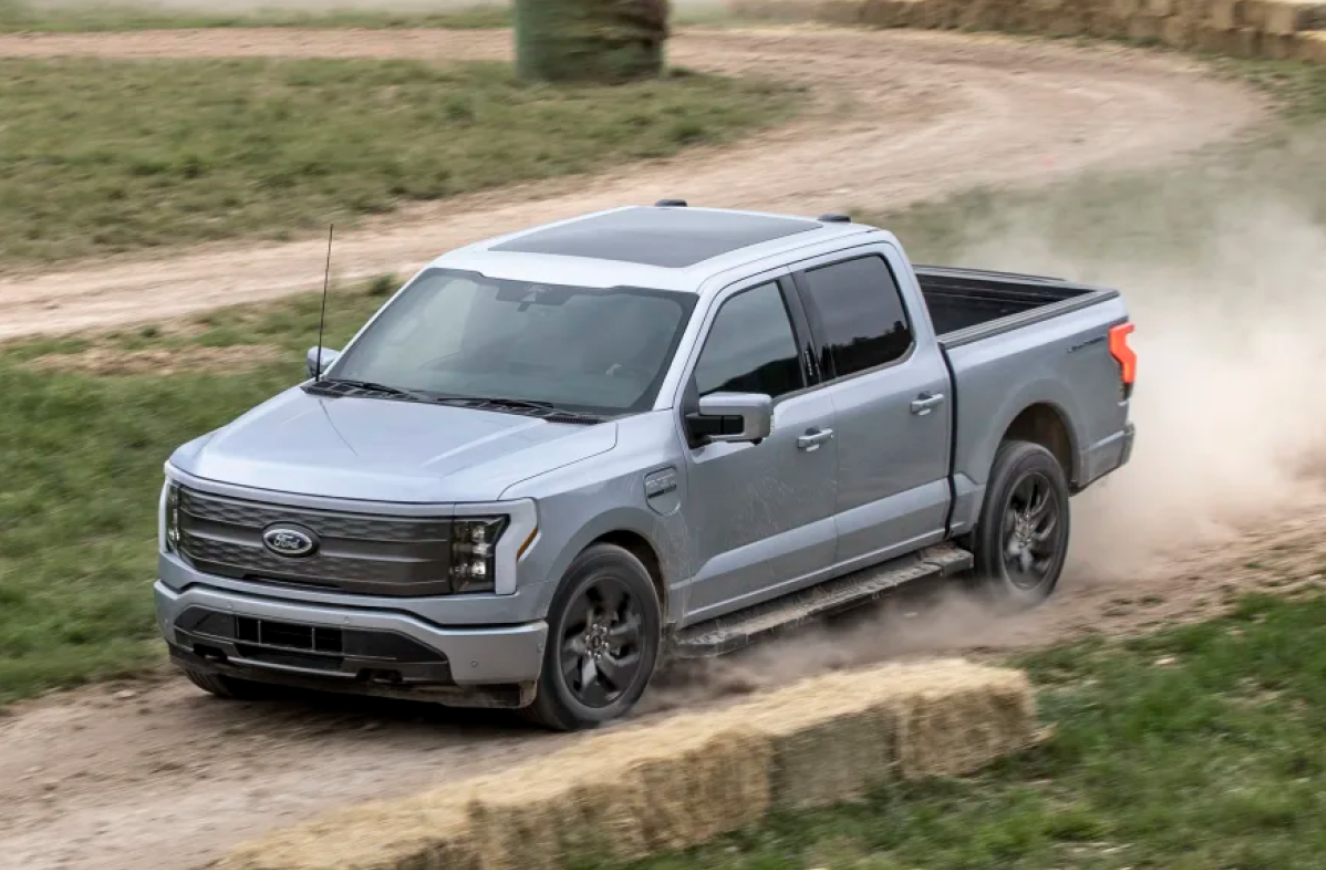
Hybrid trucks offer compelling advantages over traditional gasoline trucks. Improved fuel economy reduces operating costs, with most hybrid trucks achieving 25-30 mpg combined compared to 18-22 mpg for gasoline equivalents. Enhanced low-end torque from electric motors improves towing performance and acceleration. Onboard power generation capabilities enable work site power tools and camping equipment operation without running the engine continuously.
Ford F-150 PowerBoost Hybrid: The Benchmark

The Ford F-150 PowerBoost Hybrid continues to set the standard for hybrid trucks in 2026. The PowerBoost system combines a 3.5-liter twin-turbo V6 engine with an electric motor, producing 430 horsepower and 570 lb-ft of torque. This impressive power enables a maximum towing capacity of 12,700 pounds and a payload rating of 2,120 pounds. The F-150 PowerBoost achieves EPA-estimated fuel economy of 25 mpg combined, significantly better than gasoline F-150 models.
Ram 1500 Hybrid: Refined Capability
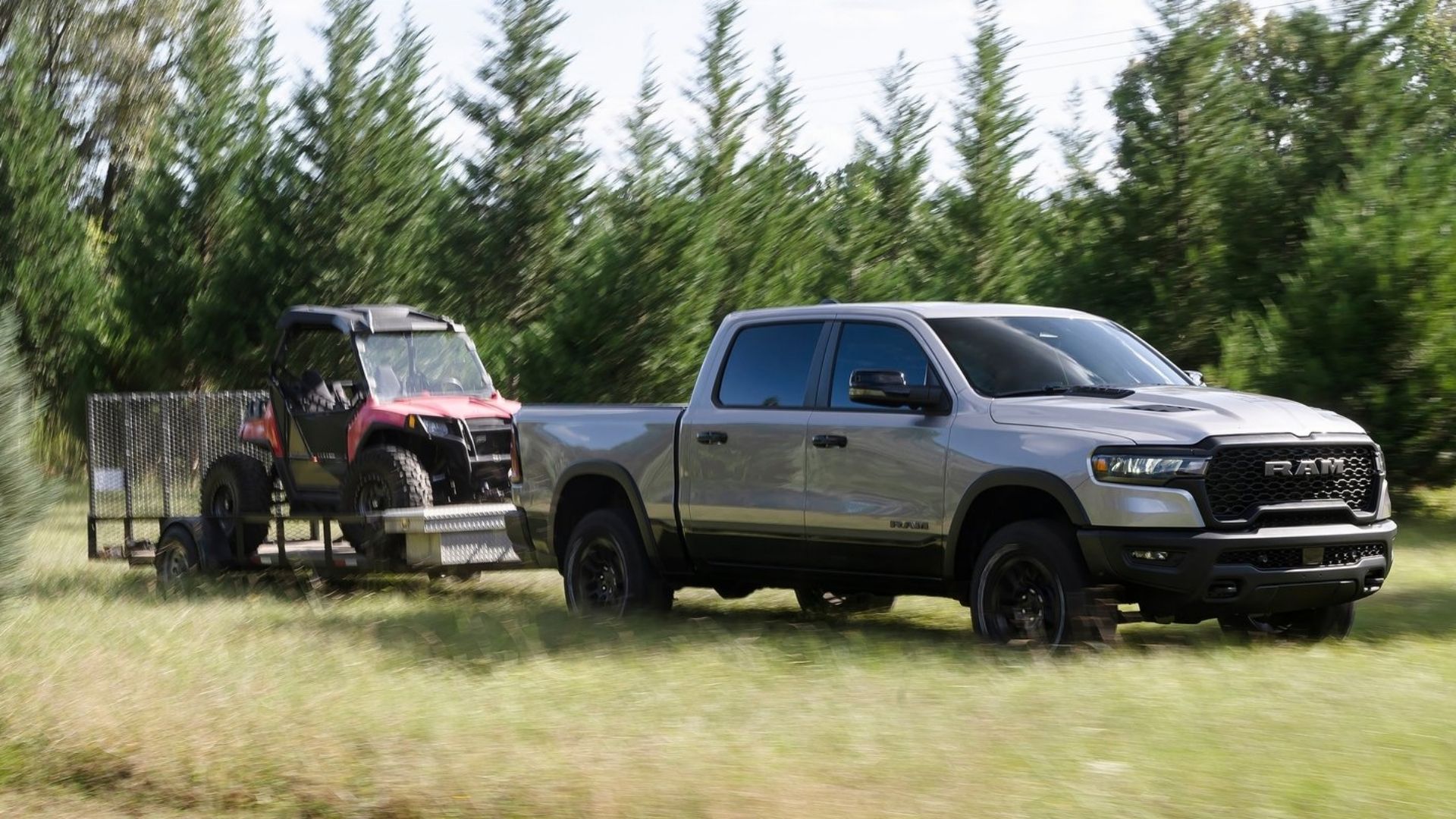
The Ram 1500 Hybrid offers a refined approach to hybrid truck technology. Ram’s mild-hybrid system uses a 48-volt battery and electric motor to assist the 3.6-liter V6 engine, improving fuel economy and low-speed torque. The Ram 1500 Hybrid achieves 26 mpg combined while maintaining a maximum towing capacity of 11,560 pounds. The truck’s smooth ride quality and luxurious interior make it an excellent choice for buyers prioritizing comfort alongside capability.
Toyota Tundra Hybrid: Japanese Reliability
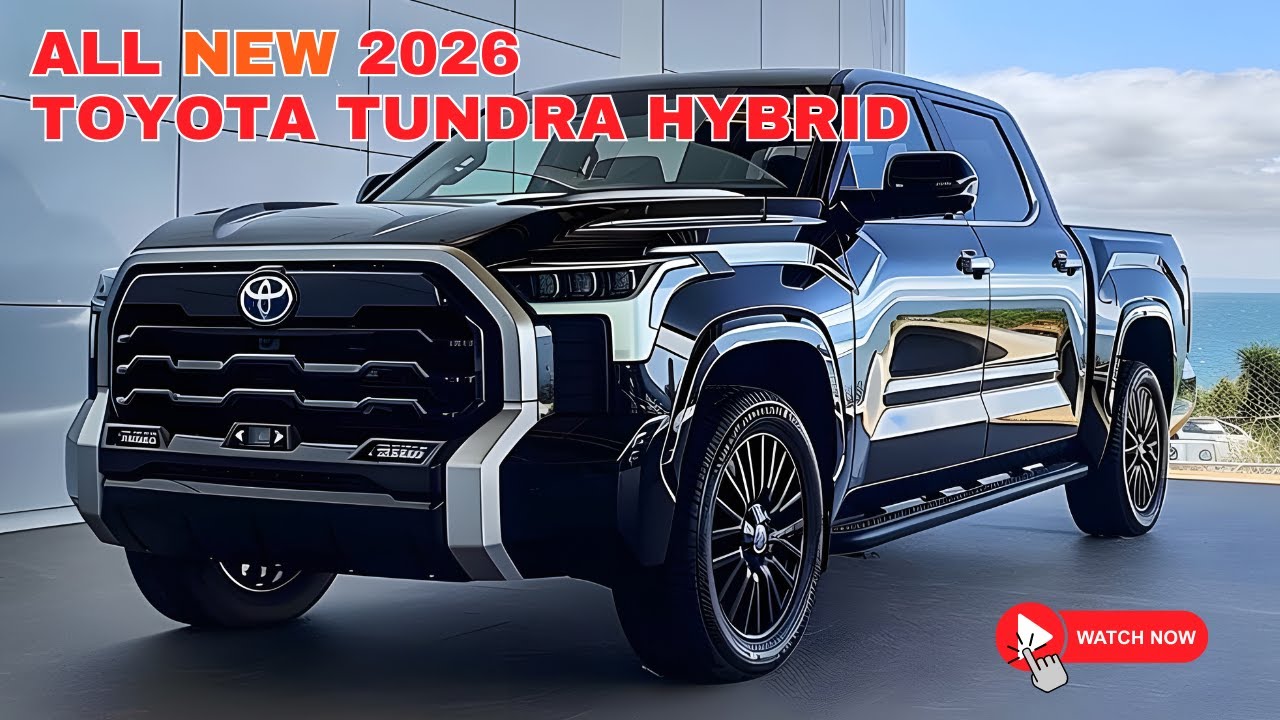
The 2026 Toyota Tundra Hybrid brings legendary Toyota reliability to the hybrid truck segment. The Tundra’s hybrid powertrain combines a twin-turbo V6 engine with an electric motor, delivering 437 horsepower and impressive fuel economy. Toyota’s reputation for durability and low maintenance costs makes the Tundra Hybrid an excellent long-term investment for truck buyers seeking reliability.
Towing Capacity and Payload Ratings
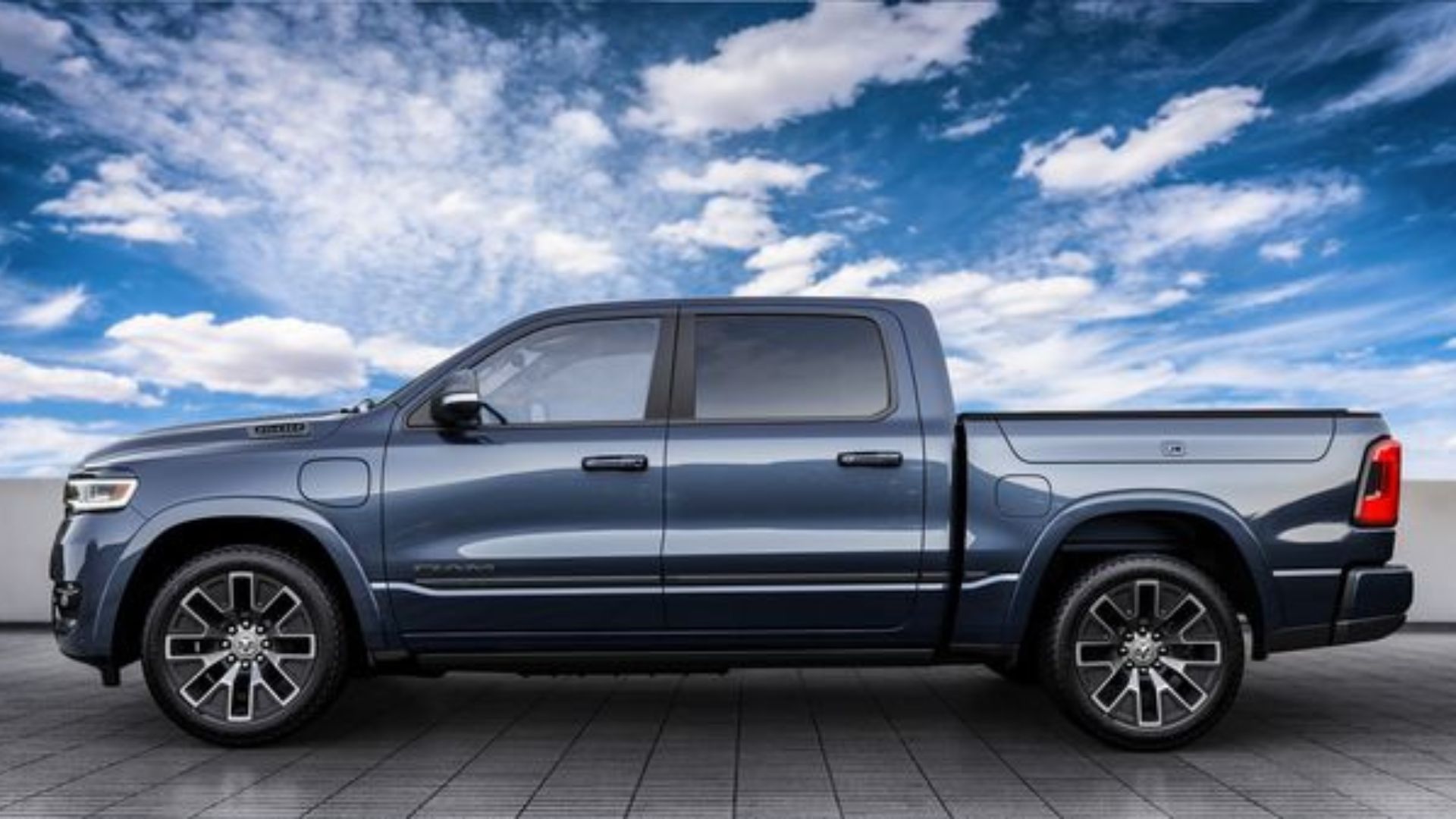
Hybrid trucks in 2026 offer impressive towing and payload capabilities that rival or exceed gasoline equivalents. The Ford F-150 PowerBoost leads with a maximum towing capacity of 12,700 pounds, adequate for most travel trailers and work equipment. The Ram 1500 Hybrid offers 11,560 pounds of maximum towing capacity. Payload ratings range from 1,800 to 2,120 pounds, sufficient for most work and recreational needs.
Fuel Economy and Operating Costs
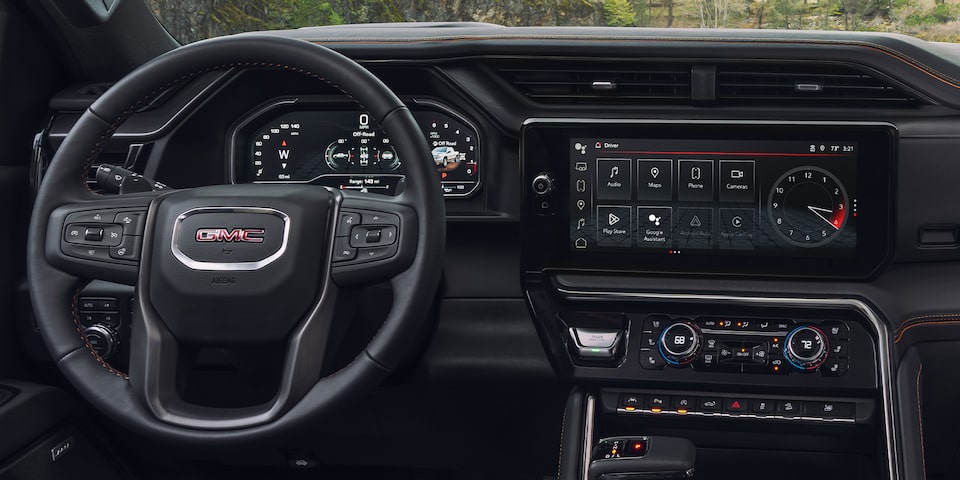
Hybrid trucks deliver significant fuel economy improvements over gasoline equivalents. The Ford F-150 PowerBoost achieves 25 mpg combined compared to 20 mpg for gasoline F-150 models. For truck owners driving 15,000 miles annually, this improvement translates to fuel savings of $1,000-$1,500 per year. Over five years of ownership, these savings can offset the higher initial purchase price of hybrid models.
Onboard Power Generation
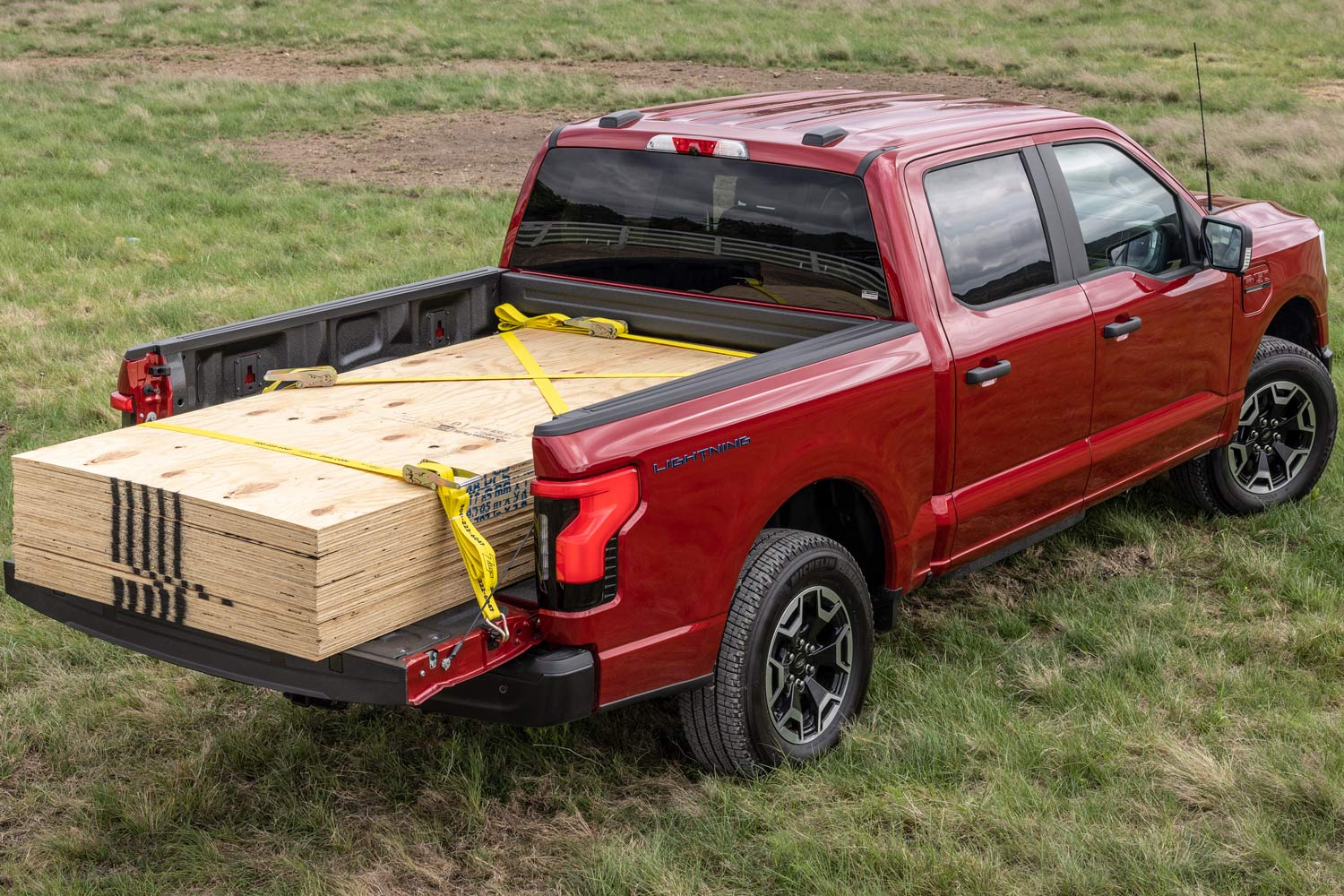
One of the most valuable features of hybrid trucks is onboard power generation capability. The Ford F-150 PowerBoost offers Pro Power Onboard, providing up to 7.2 kW of exportable power through standard 120V and 240V outlets. This capability enables operation of power tools, welders, and other equipment at work sites without a separate generator. For recreational users, onboard power supports camping equipment, tailgating appliances, and emergency home backup power.
Safety Features and Driver Assistance
Hybrid trucks in 2026 come equipped with comprehensive safety features and advanced driver assistance systems. Automatic emergency braking can detect vehicles, pedestrians, and large animals, applying brakes to prevent or mitigate collisions. Adaptive cruise control maintains set speeds and safe following distances on highways. Blind spot monitoring alerts drivers to vehicles in adjacent lanes, while trailer blind spot monitoring extends coverage when towing.
Pricing and Value Comparison
Hybrid trucks typically cost $3,000-$5,000 more than comparable gasoline models. The Ford F-150 PowerBoost starts around $52,000, while the Ram 1500 Hybrid begins at approximately $48,000. Despite higher initial costs, improved fuel economy and potential tax incentives can make hybrid trucks cost-competitive over five years of ownership. Resale values for hybrid trucks remain strong, further improving long-term value.
Related Truck Resources
Conclusion: Hybrid Trucks Deliver Real-World Benefits
The best hybrid trucks in 2026 successfully combine traditional truck capability with modern efficiency and technology. Whether you choose the Ford F-150 PowerBoost for maximum capability or the Ram 1500 Hybrid for refined comfort, you’re making a smart investment in a vehicle that delivers lower operating costs, impressive performance, and advanced features. As fuel prices remain volatile and environmental concerns grow, hybrid trucks represent a practical, capable choice for work and recreation.