
5-Year Total Cost of Ownership: Real Numbers for Hybrid SUVs in 2026
Hybrid SUVs promise fuel savings, but do they actually save money over five years? This guide breaks down the real total cost of ownership (TCO) for popular hybrid SUVs in 2026, comparing them against their gas-powered counterparts. We’ll show you the exact numbers—purchase price, fuel, maintenance, insurance, and resale value—so you can make a data-driven decision.
What Is Total Cost of Ownership (TCO)?
Total cost of ownership is the complete financial picture of owning a vehicle over a specific period. It includes:
- Purchase price: MSRP minus incentives and rebates
- Fuel or energy costs: Based on your annual mileage and local fuel/electricity prices
- Maintenance and repairs: Oil changes, brake pads, tires, and unexpected repairs
- Insurance: Annual premiums vary by vehicle type and location
- Registration and taxes: State-specific fees
- Depreciation: The difference between purchase price and resale value
For this analysis, we assume 15,000 miles per year over 5 years (75,000 total miles), national average fuel prices ($3.50/gallon for gas, $0.14/kWh for electricity), and typical maintenance schedules.
Toyota RAV4 Hybrid vs RAV4 Gas
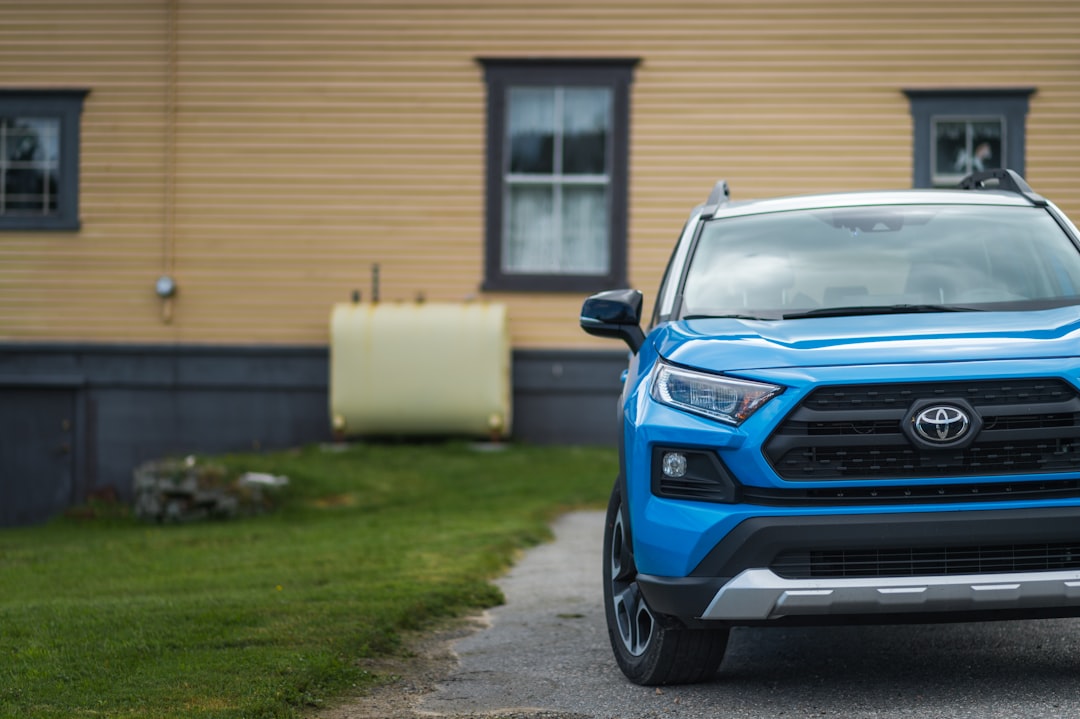
The RAV4 is America’s best-selling SUV, and the hybrid version is one of the most popular choices for fuel-conscious buyers.
2026 RAV4 Gas (LE AWD):
- MSRP: $30,500
- Fuel economy: 28 MPG combined
- 5-year fuel cost: $9,375 (75,000 miles ÷ 28 MPG × $3.50/gallon)
- 5-year maintenance: $2,800
- 5-year insurance: $6,500
- Resale value (50%): $15,250
- 5-year TCO: $33,925
2026 RAV4 Hybrid (LE AWD):
- MSRP: $33,500 (+$3,000 premium)
- Fuel economy: 41 MPG combined
- 5-year fuel cost: $6,402
- 5-year maintenance: $2,400 (lower brake wear)
- 5-year insurance: $6,700 (+$200 for hybrid)
- Resale value (55%): $18,425 (hybrids hold value better)
- 5-year TCO: $30,577
Savings with RAV4 Hybrid: $3,348 over 5 years
The RAV4 Hybrid pays for itself in fuel savings alone, and the stronger resale value makes it a clear financial winner.
Honda CR-V Hybrid vs CR-V Gas
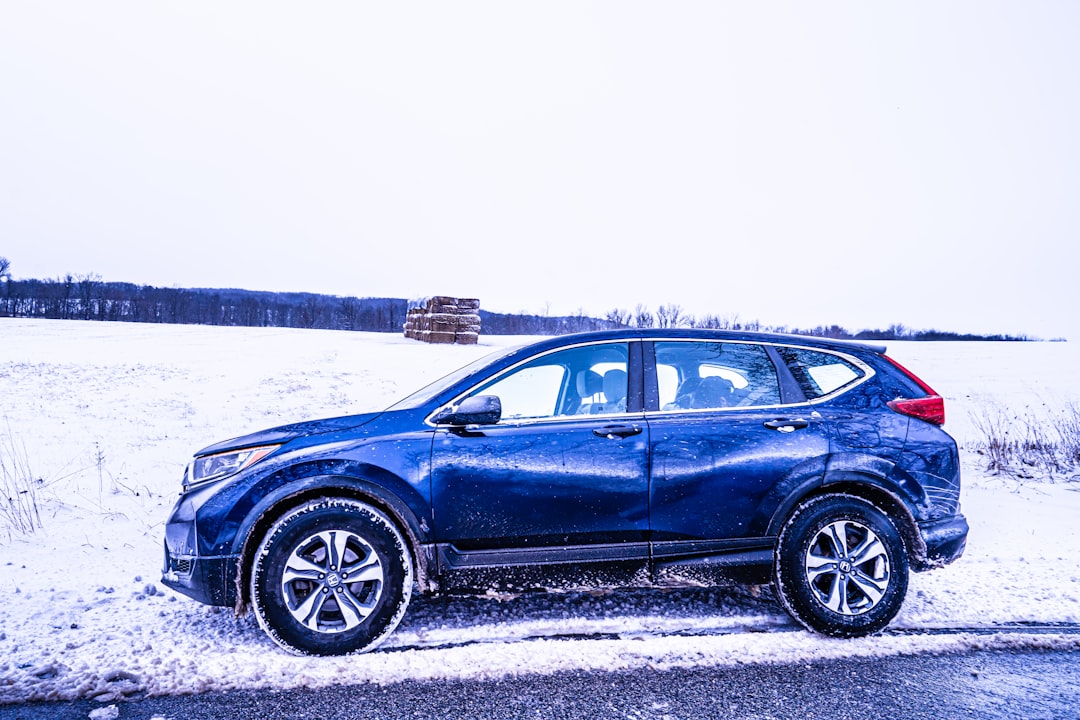
The CR-V Hybrid is Honda’s answer to the RAV4 Hybrid, offering similar efficiency with a more refined interior.
2026 CR-V Gas (EX AWD):
- MSRP: $32,000
- Fuel economy: 29 MPG combined
- 5-year fuel cost: $9,051
- 5-year maintenance: $2,900
- 5-year insurance: $6,600
- Resale value (50%): $16,000
- 5-year TCO: $34,551
2026 CR-V Hybrid (Sport AWD):
- MSRP: $35,500 (+$3,500 premium)
- Fuel economy: 40 MPG combined
- 5-year fuel cost: $6,563
- 5-year maintenance: $2,500
- 5-year insurance: $6,800
- Resale value (55%): $19,525
- 5-year TCO: $31,838
Savings with CR-V Hybrid: $2,713 over 5 years
The CR-V Hybrid saves less than the RAV4 Hybrid due to a higher upfront premium, but it’s still a financially sound choice.
Toyota Highlander Hybrid vs Highlander Gas

For families needing three rows, the Highlander Hybrid offers significant savings over the gas V6.
2026 Highlander Gas (LE AWD):
- MSRP: $38,500
- Fuel economy: 23 MPG combined
- 5-year fuel cost: $11,413
- 5-year maintenance: $3,200
- 5-year insurance: $7,200
- Resale value (48%): $18,480
- 5-year TCO: $41,833
2026 Highlander Hybrid (LE AWD):
- MSRR: $42,500 (+$4,000 premium)
- Fuel economy: 36 MPG combined
- 5-year fuel cost: $7,292
- 5-year maintenance: $2,800
- 5-year insurance: $7,400
- Resale value (52%): $22,100
- 5-year TCO: $37,892
Savings with Highlander Hybrid: $3,941 over 5 years
The Highlander Hybrid delivers the biggest dollar savings in this comparison, making it an excellent choice for high-mileage families.
Hyundai Tucson Hybrid vs Tucson Gas
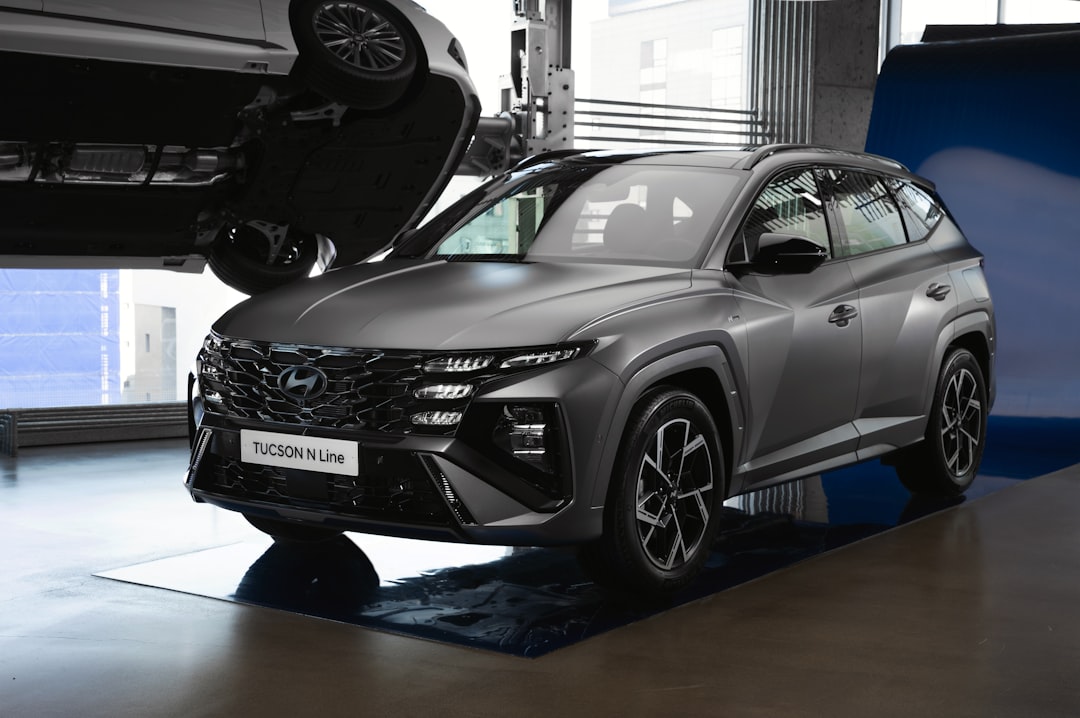
The Tucson Hybrid offers strong value in the compact SUV segment.
2026 Tucson Gas (SEL AWD):
- MSRP: $29,000
- Fuel economy: 26 MPG combined
- 5-year fuel cost: $10,096
- 5-year maintenance: $2,900
- 5-year insurance: $6,400
- Resale value (45%): $13,050
- 5-year TCO: $35,346
2026 Tucson Hybrid (SEL AWD):
- MSRP: $32,000 (+$3,000 premium)
- Fuel economy: 38 MPG combined
- 5-year fuel cost: $6,908
- 5-year maintenance: $2,600
- 5-year insurance: $6,600
- Resale value (50%): $16,000
- 5-year TCO: $32,108
Savings with Tucson Hybrid: $3,238 over 5 years
When Does a Hybrid SUV NOT Save Money?

Hybrid SUVs don’t always make financial sense. Here’s when to skip the hybrid:
- Low annual mileage: If you drive under 10,000 miles per year, fuel savings won’t offset the hybrid premium
- Short ownership period: Planning to sell in 2–3 years? The hybrid premium may not pay off
- Heavy towing needs: Gas V6 engines often tow more than hybrids (check specs)
- Extreme climates: Hybrid batteries lose efficiency in very cold weather (below 0°F)
State-by-State Variations
Your location significantly impacts TCO. States with high gas prices (California, Hawaii, Washington) make hybrids more attractive. States with low electricity costs (Louisiana, Washington, Idaho) favor plug-in hybrids and EVs.
Some states also offer additional hybrid incentives:
- California: HOV lane access for hybrids (worth $1,000+ annually in time savings)
- Colorado: Up to $2,500 state tax credit for plug-in hybrids
- New York: Up to $2,000 rebate for hybrid purchases
The Bottom Line
For most drivers covering 15,000+ miles annually, hybrid SUVs save $2,700–$4,000 over five years compared to gas equivalents. The savings come from three sources: lower fuel costs, reduced maintenance (especially brakes), and stronger resale values.
The Toyota RAV4 Hybrid and Highlander Hybrid offer the best TCO in their segments. The Honda CR-V Hybrid and Hyundai Tucson Hybrid are close behind. If you drive less than 10,000 miles per year, stick with gas. If you drive more than 20,000 miles annually, consider a plug-in hybrid or full EV for even greater savings.
Run your own numbers using your local fuel prices and annual mileage. The math will tell you whether a hybrid SUV is worth it—and in most cases, it is.
Related Reading:Best Hybrid Cars 2026 |
RAV4 vs CR-V Hybrid Comparison |
Affordable Family SUVs 2026