
Best Cars With Hands-Free Driving in 2026: BlueCruise vs Super Cruise vs Autopilot
Hands-free driving technology has evolved from a futuristic concept to a practical reality in 2026. With systems like Ford BlueCruise, GM Super Cruise, and Tesla Autopilot now available across multiple vehicle models, choosing the right hands-free driving system can significantly impact your daily commute and long-distance travel experience.
This comprehensive guide compares the top hands-free driving systems available in 2026, helping you understand which vehicles offer the best combination of safety, convenience, and value.
What Is Hands-Free Driving?
Hands-free driving refers to advanced driver assistance systems (ADAS) that allow drivers to remove their hands from the steering wheel under specific conditions while the vehicle maintains lane position, speed, and safe following distance. These systems use a combination of cameras, radar, lidar, and GPS to monitor road conditions and vehicle surroundings.
Important: All hands-free systems require driver attention and supervision. They are Level 2 autonomous systems, meaning the driver remains responsible for vehicle operation at all times.
Top Hands-Free Driving Systems in 2026
1. Ford BlueCruise 1.5
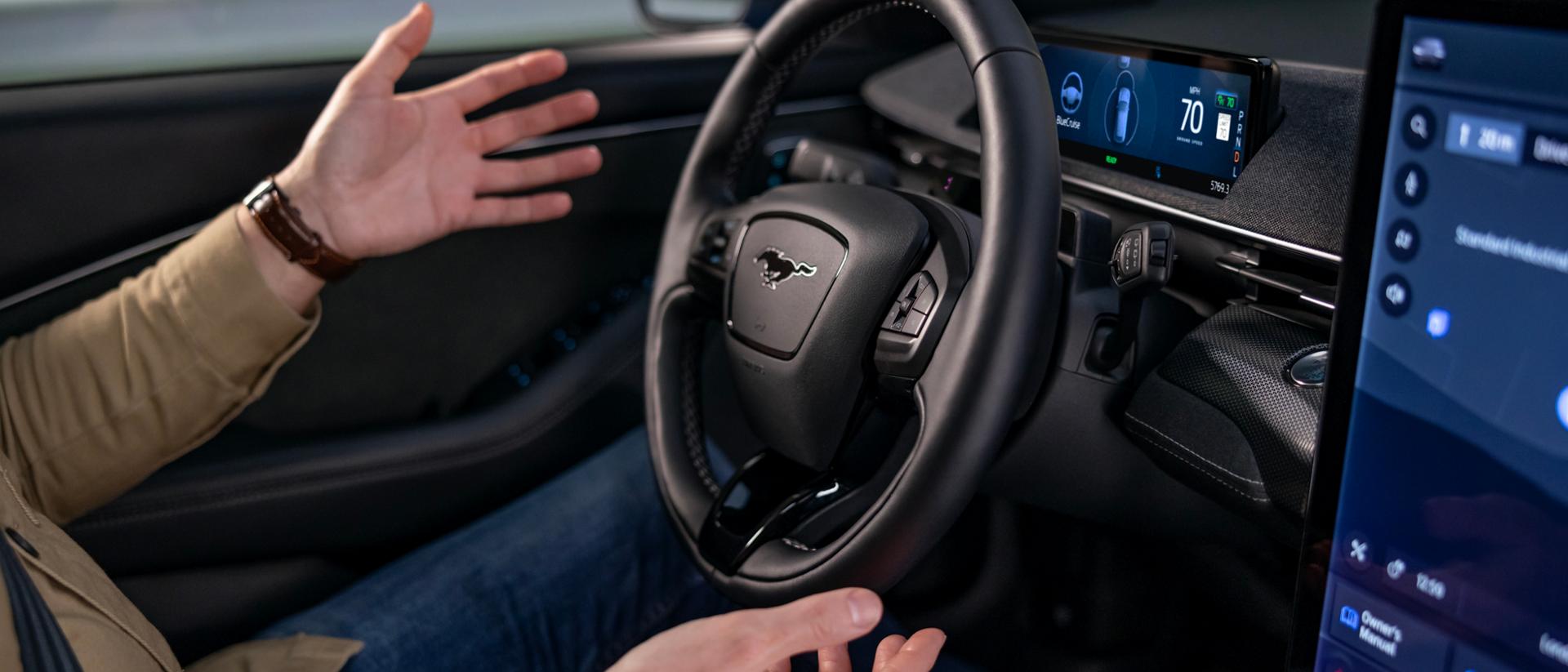
Available on: Ford F-150, Mustang Mach-E, Ford Explorer, Lincoln Nautilus, Lincoln Aviator
Key Features:
- Over 130,000 miles of pre-mapped highways in US and Canada
- Automatic lane changes with turn signal activation
- Driver attention monitoring via infrared camera
- In-Lane Repositioning for better road positioning
- Predictive Speed Assist adjusts speed for curves
Pricing: $600/year subscription after 3-year complimentary period (included with Co-Pilot360 Active 2.0 Prep Package)
Real-World Performance: BlueCruise 1.5 excels on long highway drives with smooth lane centering and confident lane changes. The system handles construction zones better than previous versions, though it still requires driver takeover in complex situations. Driver monitoring is strict but fair—you can look away briefly but must maintain attention on the road.
2. GM Super Cruise (Enhanced)
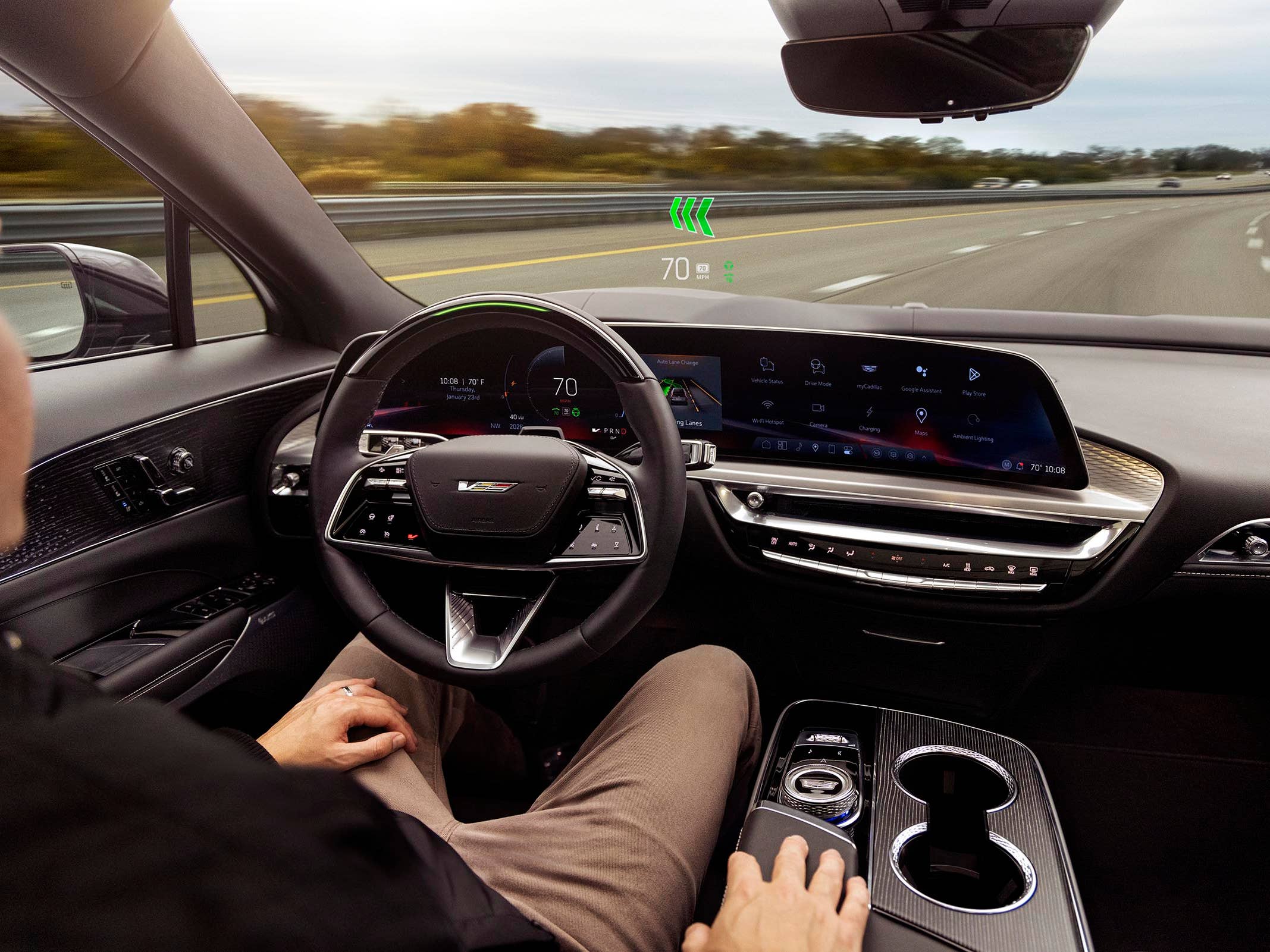
Available on: Cadillac Escalade, Cadillac Lyriq, Chevrolet Silverado EV, GMC Sierra EV, Chevrolet Blazer EV
Key Features:
- Over 400,000 miles of compatible roads (largest network)
- Automatic Lane Change on demand
- Trailering capability on select trucks
- Enhanced driver attention system with head tracking
- Integrated with Ultra Cruise on select 2026 models
Pricing: $25/month or $250/year after 3-year trial period
Real-World Performance: Super Cruise remains the gold standard for hands-free highway driving. The expanded road network means you can use it on more routes than competitors. Lane changes are smooth and predictable. The attention monitoring system uses a small camera on the steering column and is less intrusive than some competitors while remaining effective.
3. Tesla Autopilot with Full Self-Driving (Supervised)
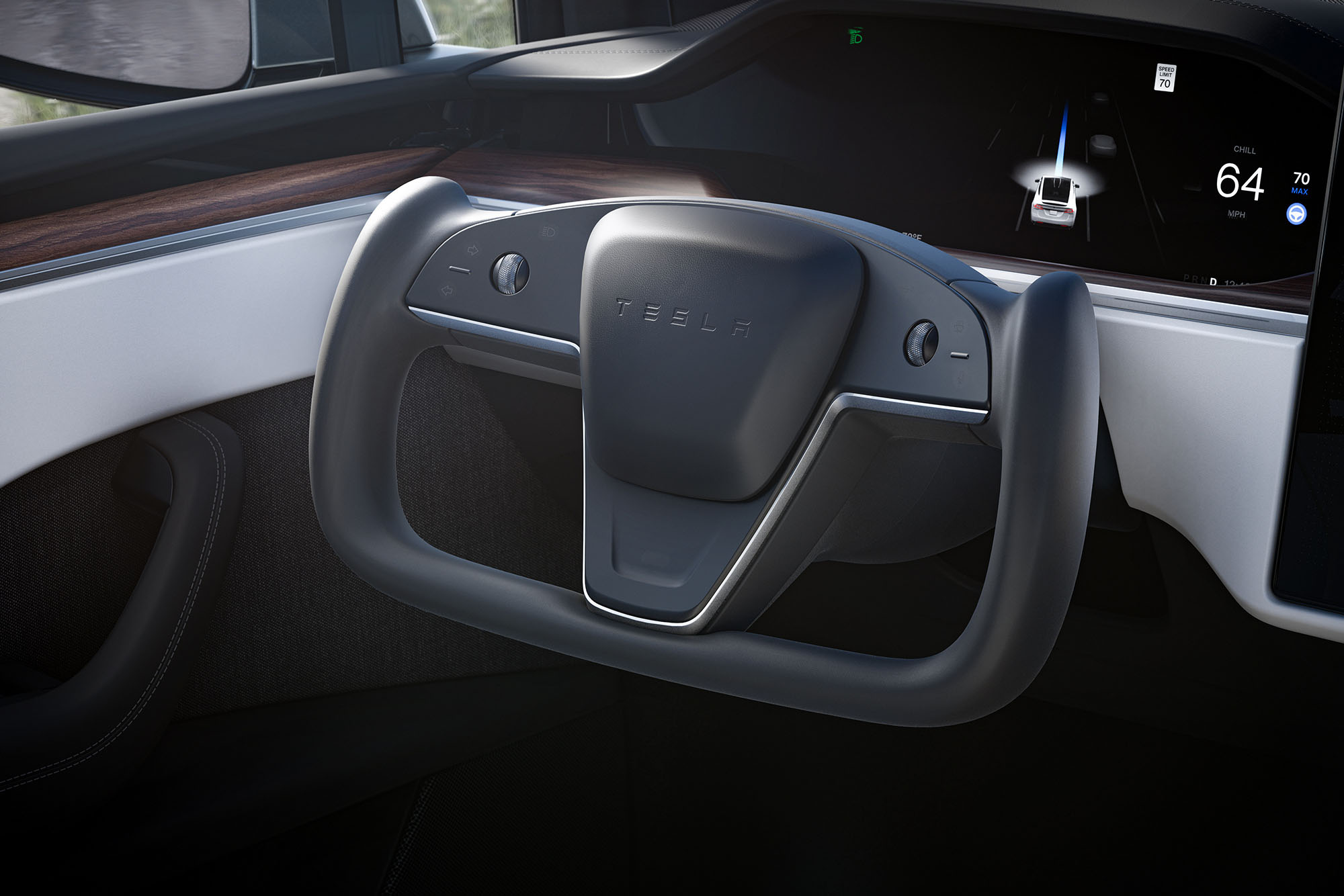
Available on: Tesla Model 3, Model Y, Model S, Model X, Cybertruck
Key Features:
- Navigate on Autopilot for highway interchanges
- Auto Lane Change with driver confirmation
- Summon and Smart Summon in parking lots
- Traffic Light and Stop Sign Control
- FSD (Supervised) adds city street navigation
Pricing: Basic Autopilot included; Enhanced Autopilot $6,000; Full Self-Driving (Supervised) $12,000 or $99/month
Real-World Performance: Tesla’s Autopilot is the most advanced system when paired with FSD (Supervised), capable of navigating city streets, making turns, and handling complex intersections. However, it requires constant vigilance as interventions are more frequent than highway-only systems. The lack of driver monitoring camera (relies on steering wheel torque) means some drivers may become complacent.
4. Mercedes-Benz Drive Pilot
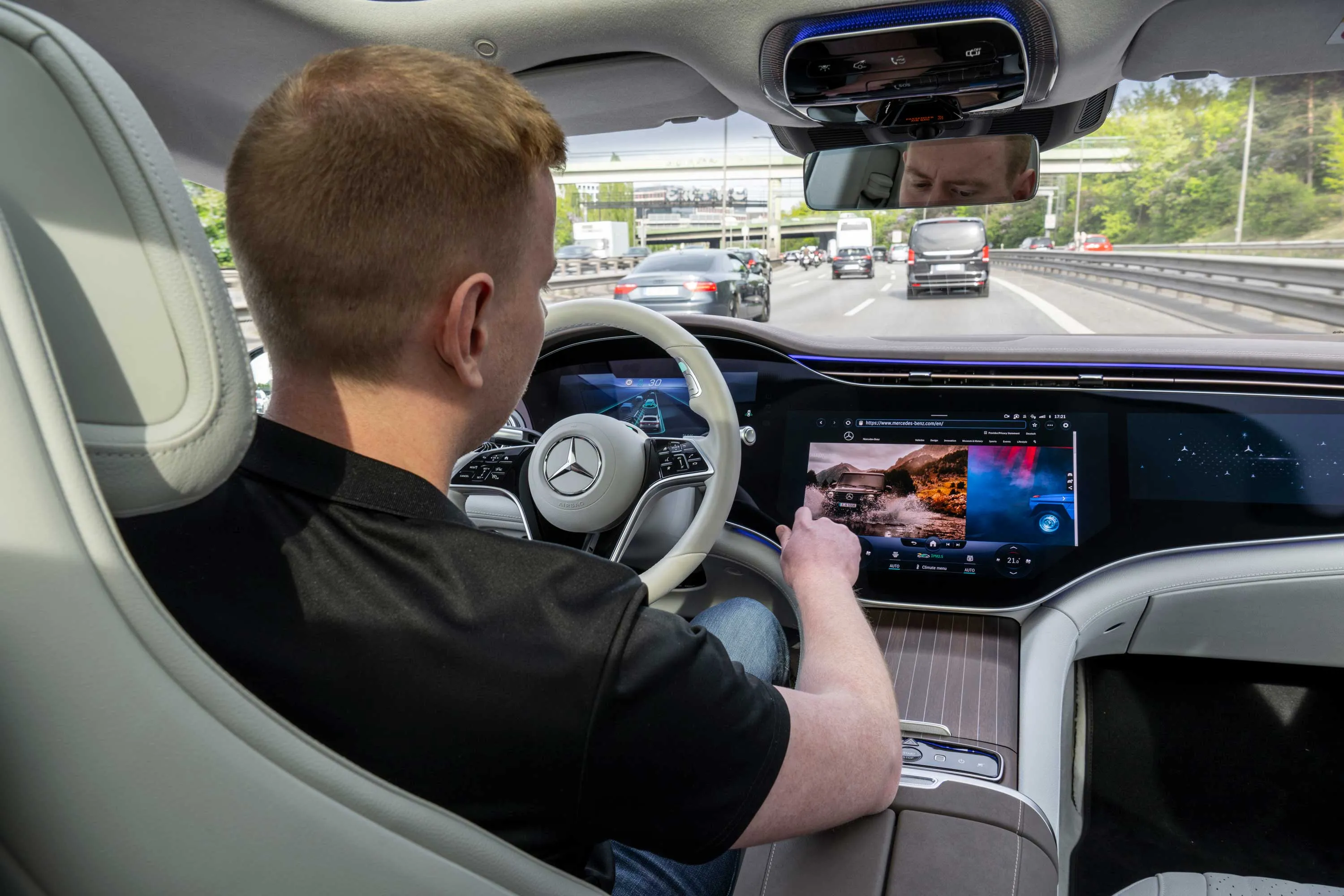
Available on: Mercedes-Benz S-Class, EQS Sedan (select states only)
Key Features:
- True Level 3 autonomy (legal liability shifts to Mercedes under 40 mph)
- Available on approved highways in California and Nevada
- Allows driver to look away from road and use infotainment
- Lidar, radar, and camera fusion for redundancy
- Wet weather and night operation capable
Pricing: $2,500 option; no subscription fee
Real-World Performance: Drive Pilot is the only system in the US that allows true hands-free, eyes-off operation—but only under 40 mph on approved highways. When active, you can legally watch videos or check emails. The system is conservative and will hand control back with ample warning. Limited availability restricts its practicality for most buyers.
5. BMW Highway Assistant
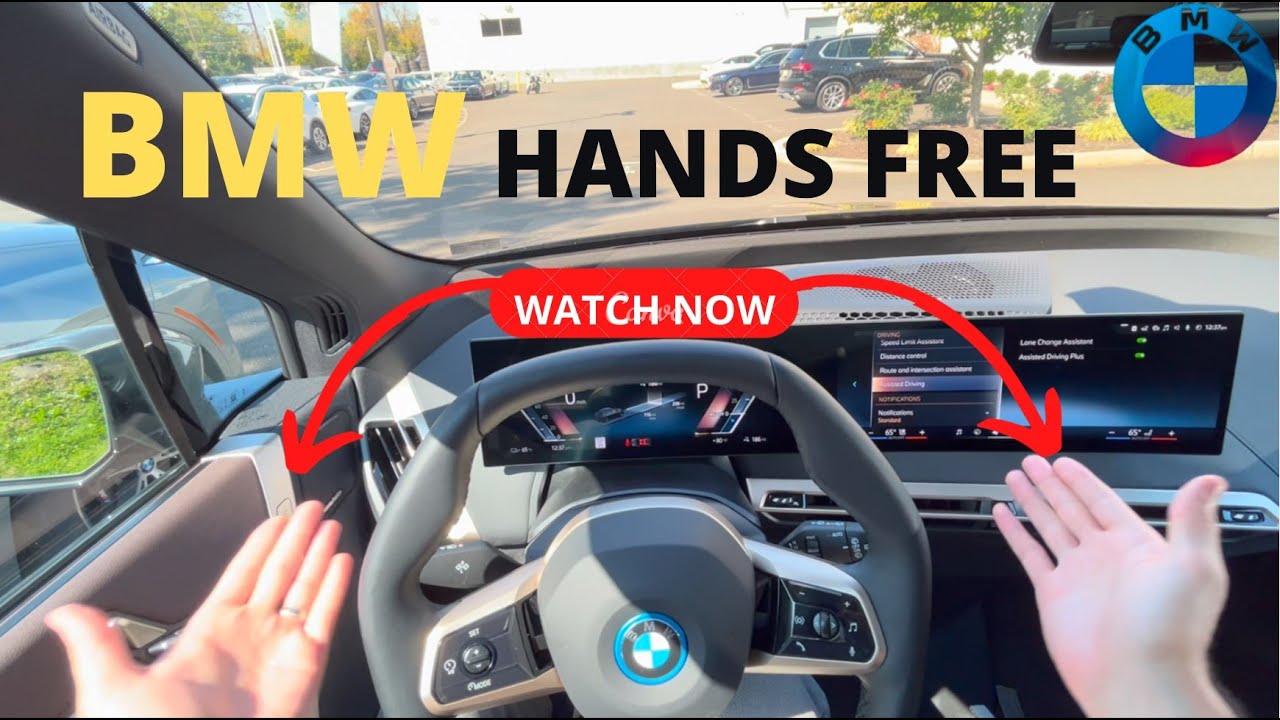
Available on: BMW 5 Series, 7 Series, iX, i4, X5, X7
Key Features:
- Hands-free operation up to 85 mph on divided highways
- Active Lane Change Assistant
- Extended Traffic Jam Assistant
- Driver attention monitoring via steering wheel capacitive sensors
- Integrated with BMW’s Driving Assistant Professional package
Pricing: Included with Driving Assistant Professional ($1,700 option)
Real-World Performance: BMW’s system is smooth and confidence-inspiring on highways. Lane centering is precise, and lane changes are executed smoothly. The attention monitoring requires periodic steering wheel touches rather than constant eye monitoring, which some drivers prefer. Performance in heavy traffic is excellent.
Head-to-Head Comparison
| System | Road Coverage | Auto Lane Change | Max Speed | Annual Cost | Best For |
|---|---|---|---|---|---|
| GM Super Cruise | 400,000+ miles | Yes | 85 mph | $250/year | Highway commuters |
| Ford BlueCruise | 130,000+ miles | Yes | 80 mph | $600/year | Ford/Lincoln owners |
| Tesla Autopilot | All highways | Yes | 85 mph | $0-$1,188/year | Tech enthusiasts |
| Mercedes Drive Pilot | Limited (CA/NV) | N/A | 40 mph | $0 | Luxury buyers (limited) |
| BMW Highway Assistant | All divided highways | Yes | 85 mph | $0 (one-time $1,700) | Luxury performance |
Safety Considerations
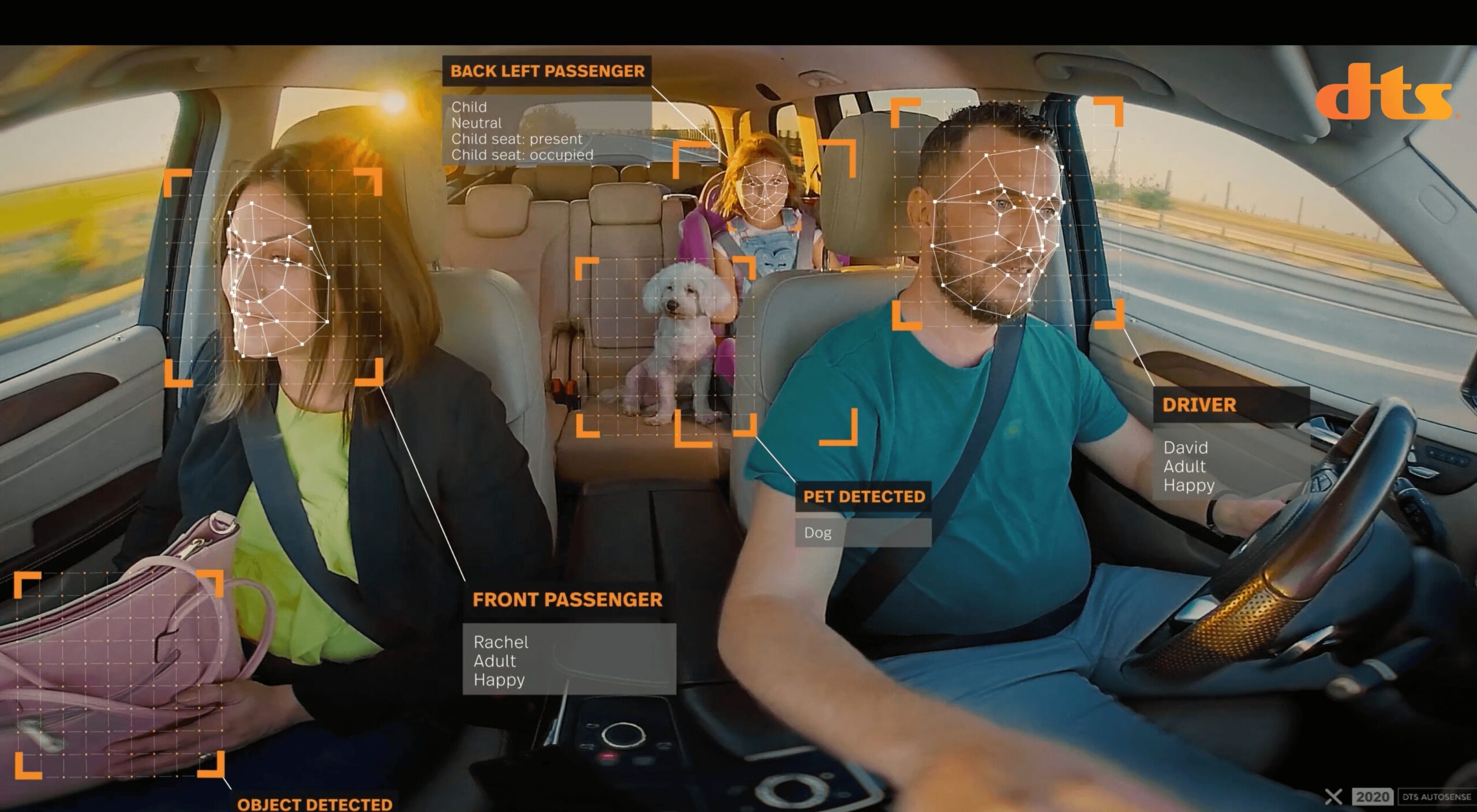
While hands-free driving systems offer convenience, safety must remain the top priority:
- Driver Attention Required: All Level 2 systems require constant driver supervision. You must be ready to take control at any moment.
- Weather Limitations: Heavy rain, snow, or fog can disable these systems. Always have a backup plan.
- Construction Zones: Most systems struggle with construction zones, lane shifts, and temporary markings.
- Emergency Vehicles: Systems may not always detect emergency vehicles. Stay alert for sirens and flashing lights.
- Software Updates: Keep your system updated. Manufacturers regularly improve performance and safety through over-the-air updates.
Which System Should You Choose?
Choose GM Super Cruise if: You want the largest coverage area and most reliable highway performance. Best for frequent long-distance highway drivers.
Choose Ford BlueCruise if: You’re already considering a Ford or Lincoln vehicle and want solid hands-free capability at a reasonable subscription cost.
Choose Tesla Autopilot/FSD if: You want the most advanced system with city street capability and are willing to pay premium pricing and maintain high attention levels.
Choose Mercedes Drive Pilot if: You live in California or Nevada, frequently encounter heavy traffic under 40 mph, and want true Level 3 autonomy.
Choose BMW Highway Assistant if: You prefer a one-time purchase over subscriptions and want excellent highway performance in a luxury package.
Future of Hands-Free Driving
The hands-free driving landscape is evolving rapidly. By late 2026 and into 2027, expect:
- Expanded Coverage: More pre-mapped roads for BlueCruise and Super Cruise
- Level 3 Expansion: Mercedes expanding Drive Pilot to more states; other manufacturers pursuing Level 3 certification
- Lower Costs: As technology matures, expect more competitive pricing and bundled packages
- Better Integration: Improved coordination with navigation, traffic data, and vehicle-to-vehicle communication
- Enhanced Safety: Better detection of emergency vehicles, construction zones, and edge cases
Frequently Asked Questions
Is hands-free driving legal?
Yes, Level 2 hands-free systems are legal in all 50 states, but drivers remain legally responsible for vehicle operation. Level 3 systems like Mercedes Drive Pilot are only legal in states with specific legislation (currently California and Nevada).
Can I use my phone while hands-free driving is active?
No. Level 2 systems require constant driver attention on the road. Only Mercedes Drive Pilot (Level 3) legally allows eyes-off operation, and only under specific conditions.
What happens if I fall asleep?
All systems have driver monitoring that will issue escalating warnings if you don’t respond. If warnings are ignored, the vehicle will slow down, activate hazard lights, and come to a controlled stop. Some systems will also contact emergency services.
Do these systems work in bad weather?
Performance degrades in heavy rain, snow, or fog. Most systems will disable themselves if conditions exceed their capabilities. Always be prepared to take manual control.
Are subscription fees worth it?
If you drive highways frequently (50+ miles per week), subscription systems like Super Cruise and BlueCruise can reduce fatigue and improve safety. For occasional highway use, one-time purchase systems like BMW’s may offer better value.
Related Articles
- ADAS Safety Features 2026: Complete Guide to Advanced Driver Assistance Systems
- AI Features & Smart Tech in Cars 2026: Complete Guide
- Best Electric SUVs 2026: Complete Buyer’s Guide with Specs & Pricing
- Best Family SUV 2026: Safety, Space & Value Compared
Conclusion
Hands-free driving technology in 2026 offers genuine convenience and safety benefits for highway driving. GM Super Cruise leads in coverage and reliability, Ford BlueCruise offers solid value for Ford/Lincoln buyers, Tesla provides the most advanced (but demanding) system, Mercedes Drive Pilot delivers true Level 3 autonomy in limited areas, and BMW offers excellent performance with a one-time purchase model.
The best system for you depends on your driving patterns, budget, and vehicle preferences. Regardless of which system you choose, remember that these are driver assistance systems—not self-driving cars. Stay alert, keep your hands ready, and enjoy the reduced fatigue these systems provide on long highway journeys.