
Best Used Cars for First-Time Buyers (2026 Edition): Reliable, Affordable & Safe Picks
Buying your first car is exciting—but it can also be overwhelming. Should you buy new or used? What’s a fair price? Which models are reliable? For first-time buyers in 2026, the used car market offers excellent value, with 3-5 year old vehicles providing modern features, proven reliability, and significant savings compared to new cars.
This guide breaks down the best used cars for first-time buyers, focusing on affordability, reliability, safety, and low maintenance costs. Whether you’re a college student, recent graduate, or simply buying your first vehicle, these picks will help you make a smart, confident decision.
Why Buy Used Instead of New?
n
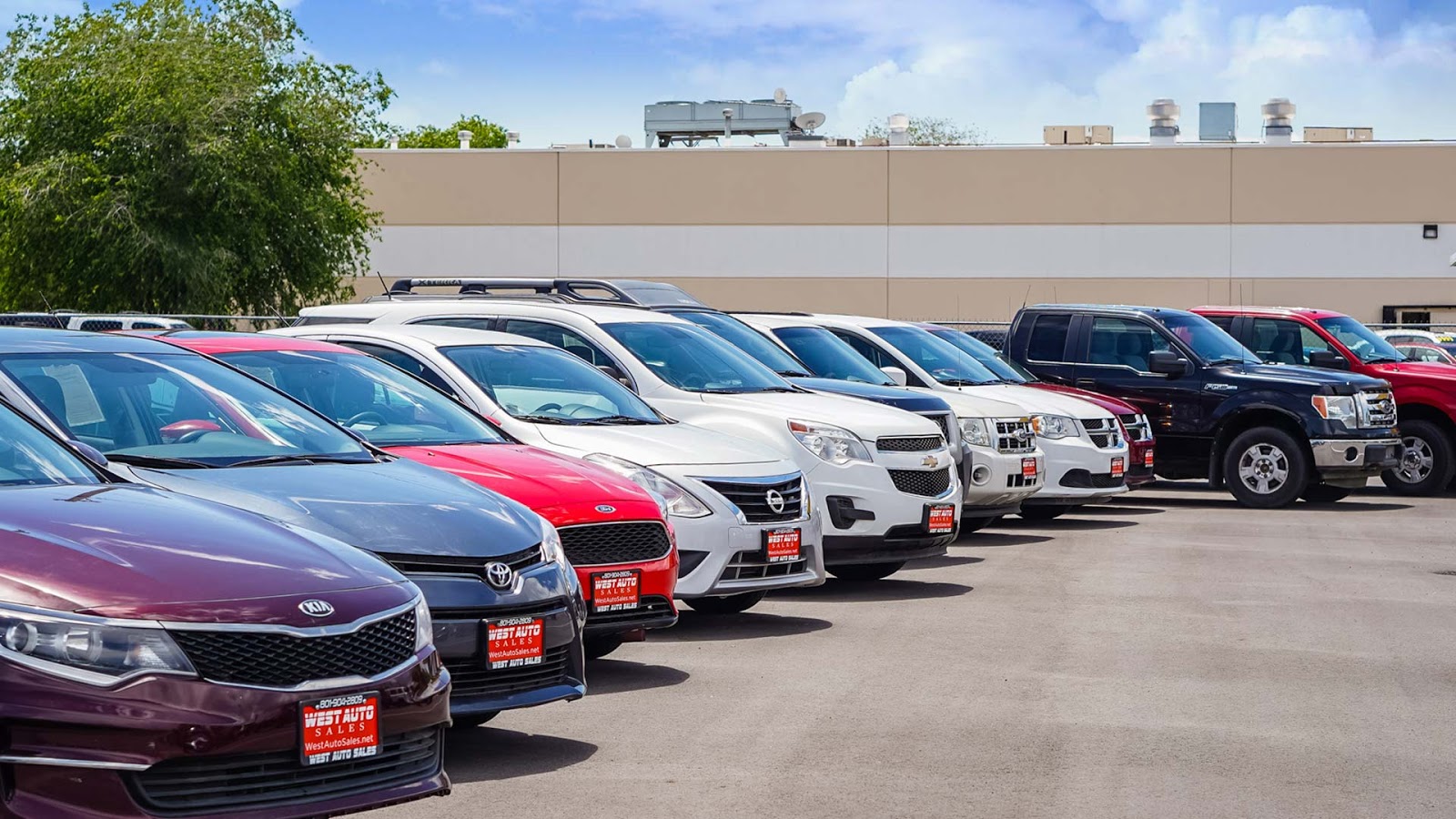
New cars lose 20-30% of their value in the first year alone. By purchasing a 3-5 year old used car, you avoid this steep depreciation while still getting a modern, reliable vehicle. Used cars also cost less to insure, register, and finance—saving you thousands over the life of ownership.
In 2026, certified pre-owned (CPO) programs from major manufacturers offer warranty coverage, roadside assistance, and thorough inspections, making used cars safer and more reliable than ever before.
Top 10 Best Used Cars for First-Time Buyers in 2026
1. Honda Civic (2021-2023 Models)
n
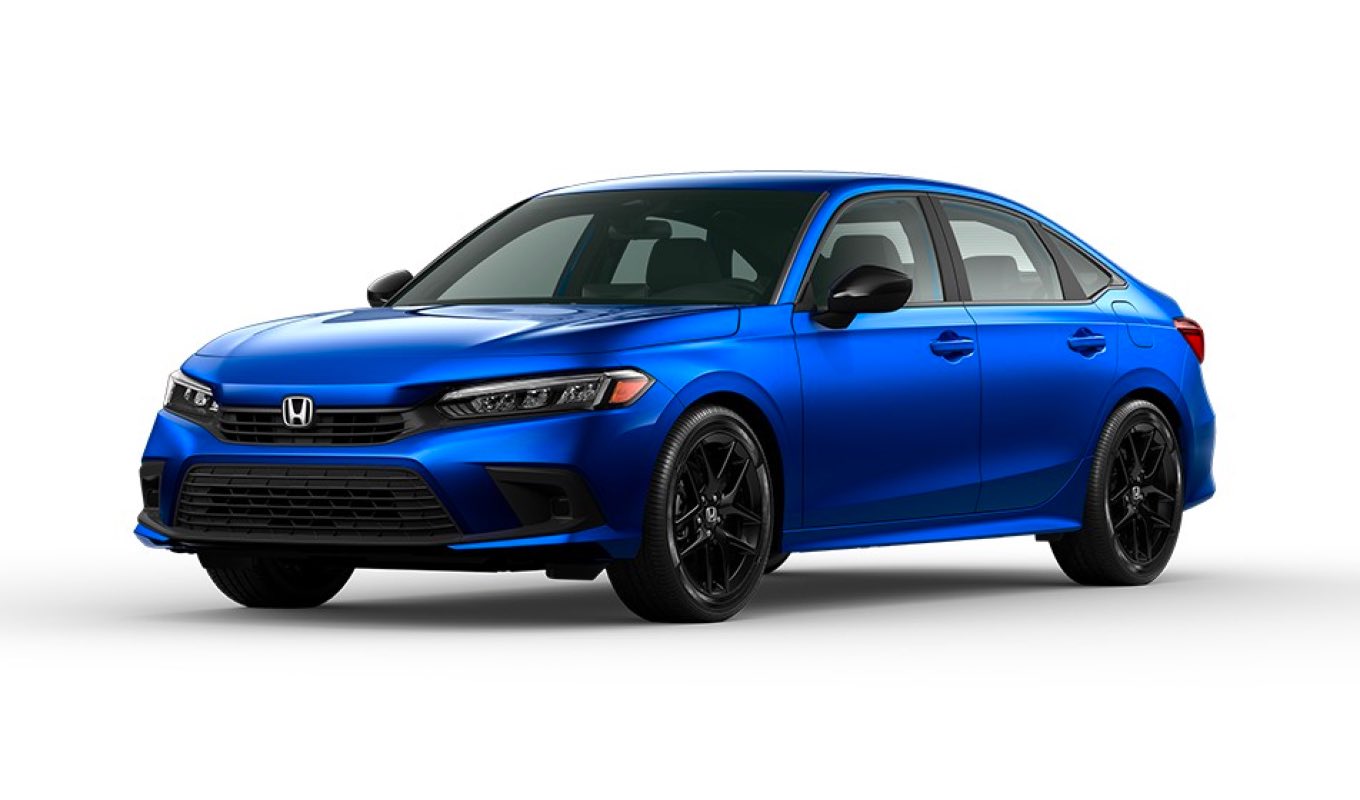
Price Range: $18,000-$24,000
Fuel Economy: 32 city/42 highway mpg
Why It’s Great: The Honda Civic is the gold standard for first-time buyers. It’s reliable, fuel-efficient, affordable to maintain, and holds its value exceptionally well. The 2021-2023 models feature modern safety tech, Apple CarPlay/Android Auto, and a spacious interior.
Insurance costs are reasonable ($1,100-$1,300 annually), and Honda’s reputation for reliability means fewer unexpected repairs. The Civic’s resale value is among the best in its class, making it a smart long-term investment.
Best for: College students, commuters, anyone prioritizing reliability and fuel economy
2. Toyota Corolla (2020-2023 Models)
n
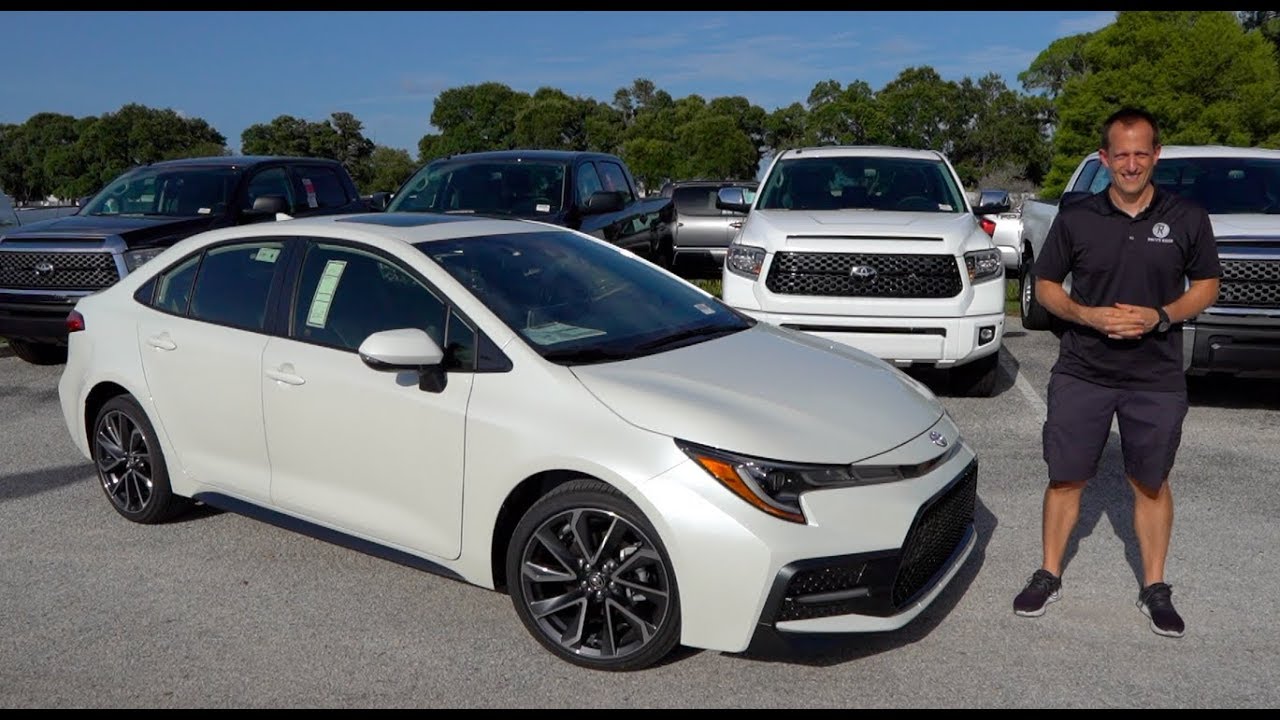
Price Range: $17,000-$23,000
Fuel Economy: 31 city/40 highway mpg
Why It’s Great: The Toyota Corolla is legendary for reliability. With proper maintenance, these cars routinely exceed 200,000 miles. The 2020-2023 models include Toyota Safety Sense (automatic emergency braking, lane keeping assist, adaptive cruise control) as standard equipment.
Maintenance costs are among the lowest in the industry, and parts are widely available at affordable prices. The Corolla’s boring reputation is actually a strength—it’s predictable, dependable, and worry-free.
Best for: Budget-conscious buyers, those wanting maximum reliability, long-term ownership
3. Mazda3 (2020-2023 Models)
Price Range: $16,000-$22,000
Fuel Economy: 28 city/36 highway mpg
Why It’s Great: The Mazda3 offers upscale styling and driving dynamics that rival luxury brands—at a fraction of the cost. The interior feels premium with soft-touch materials, an intuitive infotainment system, and available leather seats.
While slightly less fuel-efficient than the Civic or Corolla, the Mazda3 delivers a more engaging driving experience. Reliability is excellent, and maintenance costs are reasonable. It’s perfect for first-time buyers who want something stylish without sacrificing practicality.
Best for: Style-conscious buyers, those wanting a fun-to-drive sedan, young professionals
4. Honda CR-V (2019-2022 Models)
n
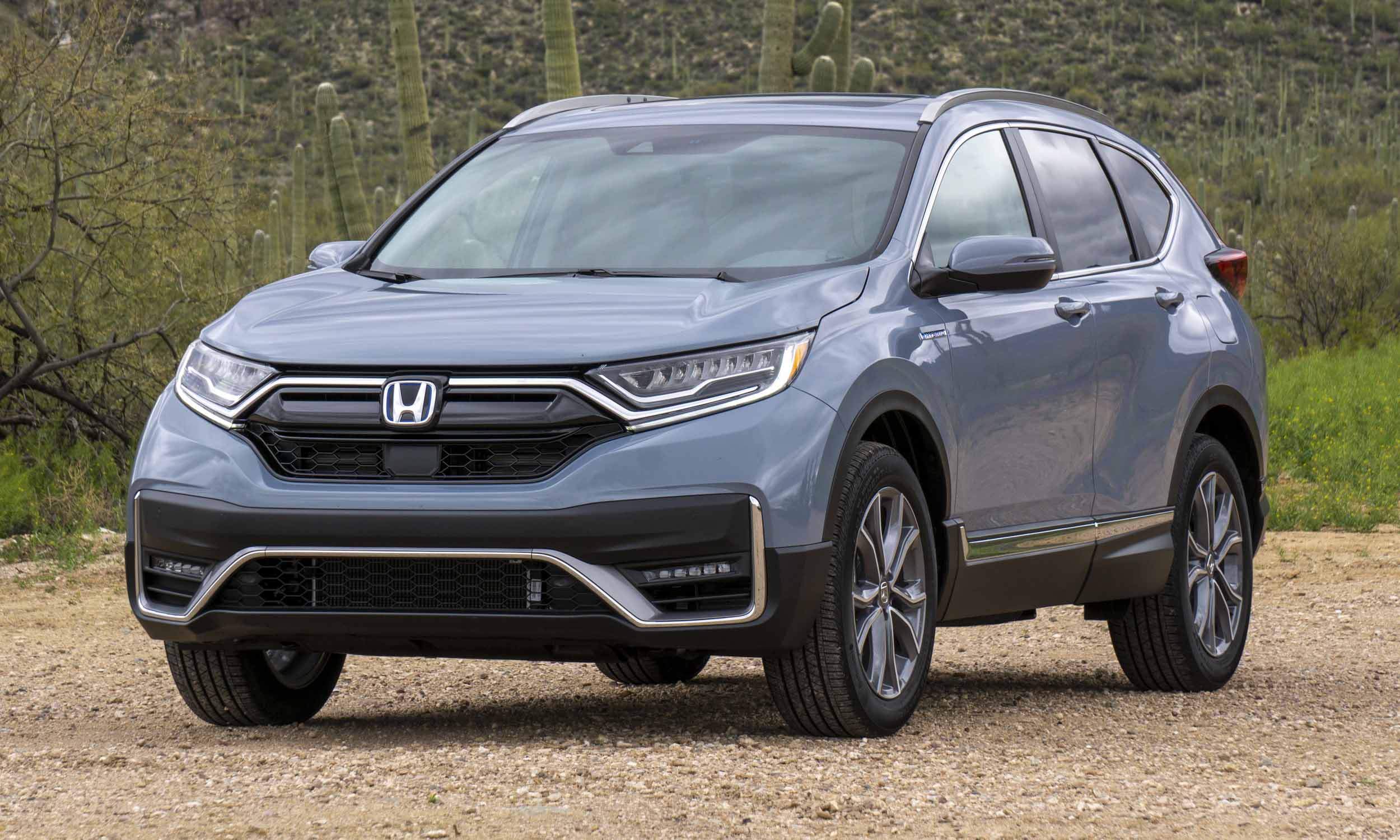
Price Range: $22,000-$28,000
Fuel Economy: 28 city/34 highway mpg
Why It’s Great: If you need more space than a sedan, the Honda CR-V is the best compact SUV for first-time buyers. It offers excellent cargo capacity, comfortable seating for five, and Honda’s legendary reliability.
The CR-V’s higher ride height provides better visibility, and available all-wheel drive makes it suitable for various climates. Insurance costs are slightly higher than sedans ($1,300-$1,500 annually), but the versatility justifies the expense.
Best for: Families, outdoor enthusiasts, those needing cargo space, buyers in snowy climates
5. Toyota RAV4 (2019-2022 Models)
n
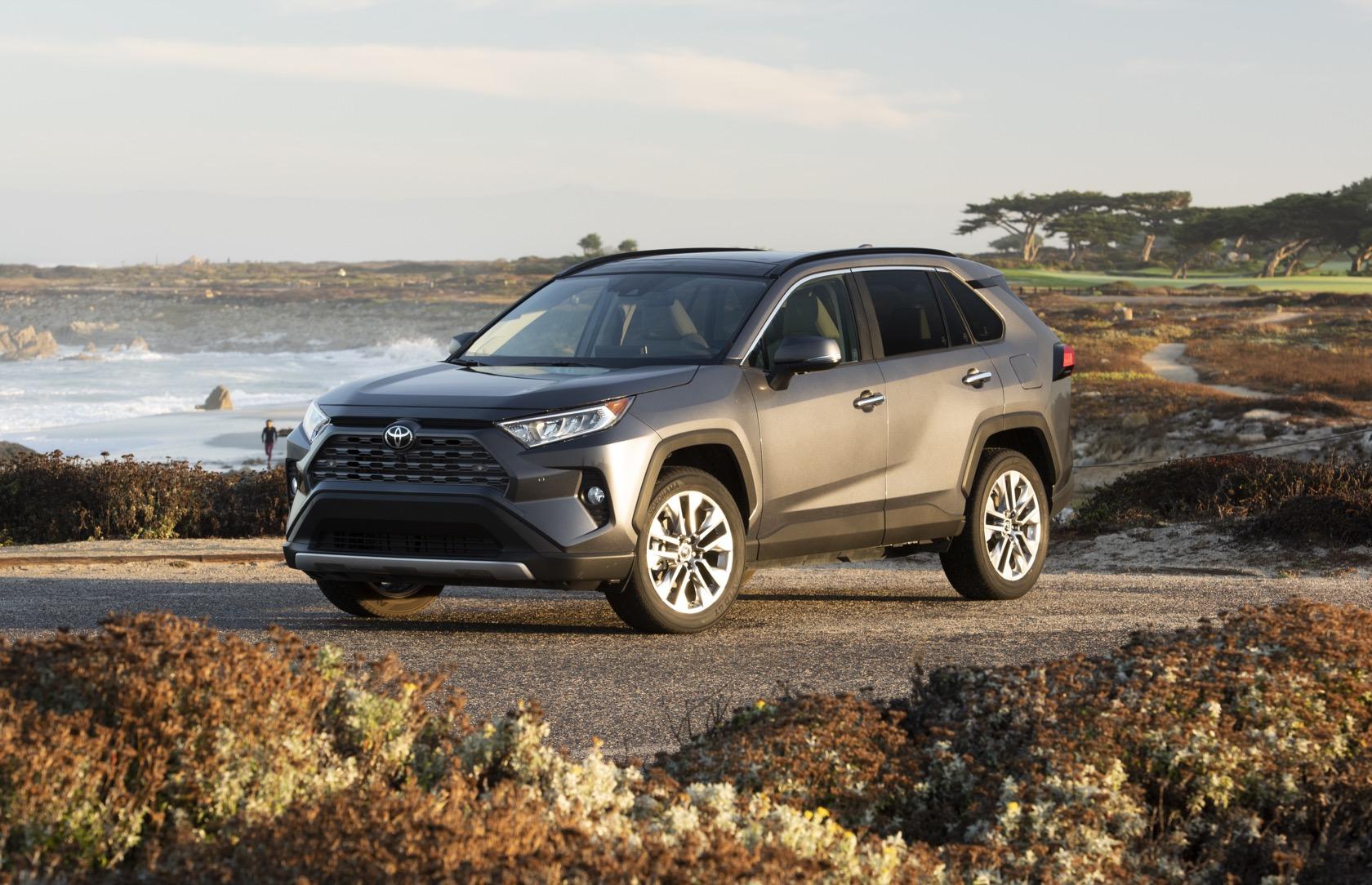
Price Range: $23,000-$29,000
Fuel Economy: 27 city/35 highway mpg (gas), 41 city/38 highway (hybrid)
Why It’s Great: The RAV4 is America’s best-selling SUV for good reason. It’s reliable, spacious, and available as a hybrid for exceptional fuel economy. The 2019-2022 models feature Toyota Safety Sense, a user-friendly infotainment system, and strong resale value.
Hybrid models cost $3,000-$5,000 more but save approximately $1,200-$1,500 over five years in fuel costs. For first-time buyers planning long-term ownership, the hybrid is worth considering.
Best for: Families, eco-conscious buyers, those wanting maximum reliability in an SUV
6. Hyundai Elantra (2020-2023 Models)
Price Range: $15,000-$21,000
Fuel Economy: 33 city/43 highway mpg
Why It’s Great: The Hyundai Elantra offers exceptional value with a long warranty (5-year/60,000-mile basic, 10-year/100,000-mile powertrain on CPO models). The 2020-2023 models feature modern styling, a spacious interior, and excellent fuel economy.
Hyundai has dramatically improved reliability over the past decade, and the Elantra now competes directly with Honda and Toyota. It’s an excellent choice for budget-conscious first-time buyers who want peace of mind from warranty coverage.
Best for: Budget buyers, those wanting warranty coverage, value-conscious shoppers
7. Subaru Impreza (2019-2023 Models)
Price Range: $17,000-$23,000
Fuel Economy: 28 city/36 highway mpg
Why It’s Great: The Subaru Impreza comes standard with all-wheel drive, making it ideal for buyers in snowy or rainy climates. It’s reliable, safe (IIHS Top Safety Pick+), and offers excellent visibility thanks to its boxy design.
While not as fuel-efficient as front-wheel-drive competitors, the Impreza’s AWD capability provides year-round confidence. Subaru owners are famously loyal, and the brand’s reputation for durability is well-earned.
Best for: Buyers in snowy climates, outdoor enthusiasts, those prioritizing safety and AWD
8. Kia Forte (2020-2023 Models)
Price Range: $14,000-$20,000
Fuel Economy: 31 city/41 highway mpg
Why It’s Great: The Kia Forte is one of the most affordable reliable sedans available. It offers a 10-year/100,000-mile powertrain warranty on CPO models, modern features, and excellent fuel economy.
The Forte’s interior is surprisingly upscale for its price point, with available leather seats, a large touchscreen, and wireless charging. It’s perfect for first-time buyers on a tight budget who don’t want to sacrifice quality.
Best for: Budget buyers, those wanting warranty coverage, value-focused shoppers
9. Honda Fit (2018-2020 Models)
Price Range: $13,000-$18,000
Fuel Economy: 33 city/40 highway mpg
Why It’s Great: The Honda Fit is a subcompact hatchback with surprising interior space thanks to Honda’s “Magic Seat” design. The rear seats fold flat multiple ways, creating cargo capacity that rivals small SUVs.
Fuel economy is excellent, maintenance costs are low, and reliability is typical Honda—meaning exceptional. The Fit was discontinued after 2020, making used models a smart buy for budget-conscious first-time buyers.
Best for: Urban dwellers, budget buyers, those needing maximum interior flexibility
10. Mazda CX-5 (2019-2022 Models)
Price Range: $21,000-$27,000
Fuel Economy: 25 city/31 highway mpg
Why It’s Great: The Mazda CX-5 is the most upscale compact SUV on this list. It features premium materials, excellent driving dynamics, and a quiet, comfortable cabin. Reliability is strong, and maintenance costs are reasonable.
While slightly less fuel-efficient than competitors, the CX-5’s refinement and style make it worth considering for first-time buyers who want something special without luxury-brand pricing.
Best for: Style-conscious buyers, those wanting a premium feel, young professionals
How to Buy a Used Car: First-Time Buyer Checklist
n
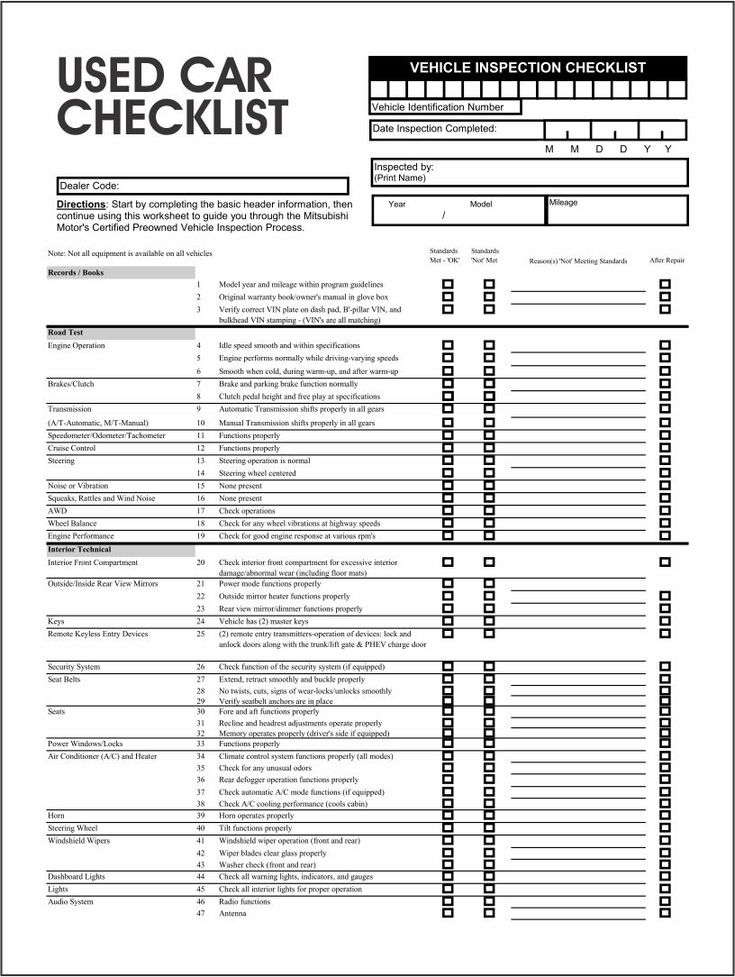
1. Set a realistic budget: Include purchase price, insurance, registration, and maintenance. A good rule: monthly payment + insurance should not exceed 15% of your monthly income.
2. Get pre-approved for financing: Check rates from banks, credit unions, and online lenders before visiting dealerships. Credit unions often offer the best rates for first-time buyers.
3. Check vehicle history: Use Carfax or AutoCheck to verify accident history, ownership records, and service history. Avoid cars with salvage titles or major accidents.
4. Get a pre-purchase inspection: Pay $100-$150 for an independent mechanic to inspect the car before buying. This can save thousands in unexpected repairs.
5. Test drive thoroughly: Drive on highways, city streets, and rough roads. Test all features (AC, heat, infotainment, windows, locks). Listen for unusual noises.
6. Negotiate confidently: Research fair market value using Kelley Blue Book or Edmunds. Don’t be afraid to walk away if the price isn’t right.
FAQ: First-Time Used Car Buyers
n
Q: What mileage is too high for a used car?
A: For reliable brands (Honda, Toyota, Mazda), 60,000-80,000 miles is ideal for 3-5 year old cars. Avoid cars with over 100,000 miles unless they have extensive service records and are priced accordingly.
Q: Should I buy from a dealer or private seller?
A: Dealers offer financing, warranties, and legal protections. Private sellers offer lower prices but require more due diligence. First-time buyers should consider certified pre-owned (CPO) vehicles from dealers for peace of mind.
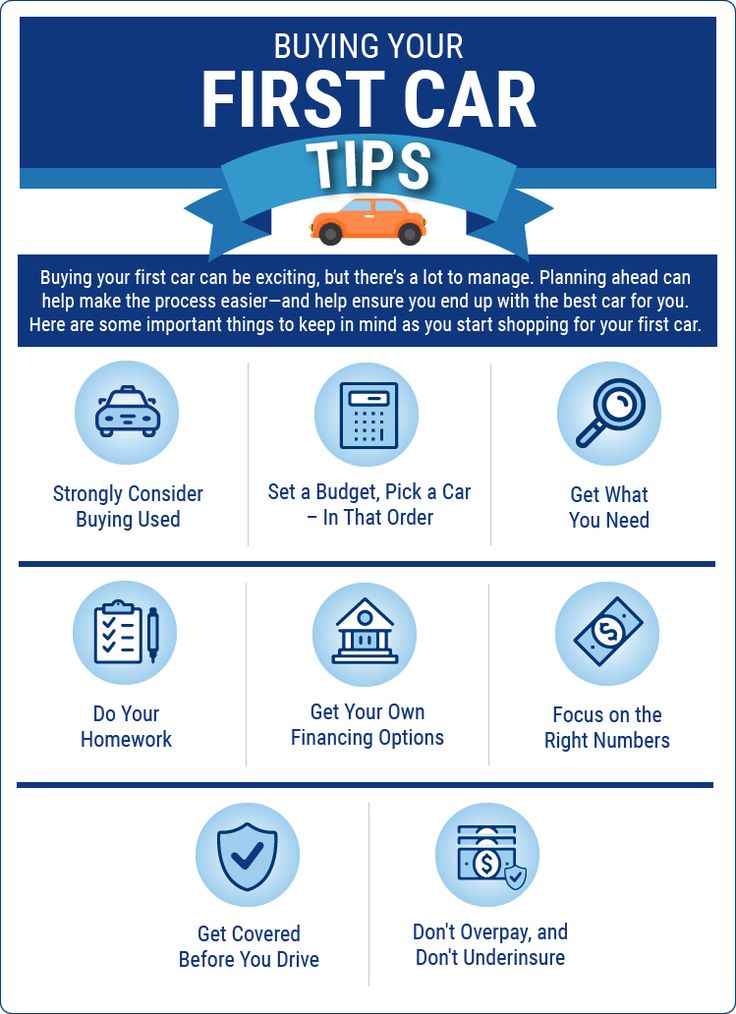
Q: How much should I spend on my first car?
A: Aim for $15,000-$25,000 for a reliable 3-5 year old vehicle. Avoid spending more than 20% of your annual income on a car.
Q: What’s the best way to finance a used car?
A: Get pre-approved from a credit union or bank before shopping. Rates for used cars are typically 1-2% higher than new cars. Aim for a loan term of 48-60 months maximum.
Final Verdict

The best used car for first-time buyers in 2026 is the Honda Civic (2021-2023) for its unbeatable combination of reliability, fuel economy, safety, and resale value. However, the Toyota Corolla, Mazda3, and Honda CR-V are all excellent alternatives depending on your priorities and budget.
Remember: the best car is the one that fits your budget, meets your needs, and has been properly maintained. Take your time, do your research, and don’t rush into a purchase. Your first car should be a source of freedom and independence—not financial stress.
Visit local dealerships, test drive multiple vehicles, and choose the car that feels right for you. Happy car shopping!
Related Articles: