
Hybrid SUV Comparison 2026: Fuel Economy, Features & Family Ratings
Hybrid SUVs are one of the smartest choices in 2026 for families who want to balance fuel economy, safety, space, and long-term ownership costs. Compared with traditional gasoline SUVs, modern hybrid SUVs deliver better city efficiency, smoother low-speed driving, and lower yearly fuel expenses while still keeping the practicality people expect from a family vehicle. In this complete comparison, we break down key categories that matter most to real buyers: fuel economy, interior comfort, cargo flexibility, safety technology, ownership costs, and everyday usability.
Why Hybrid SUVs Are Winning in 2026
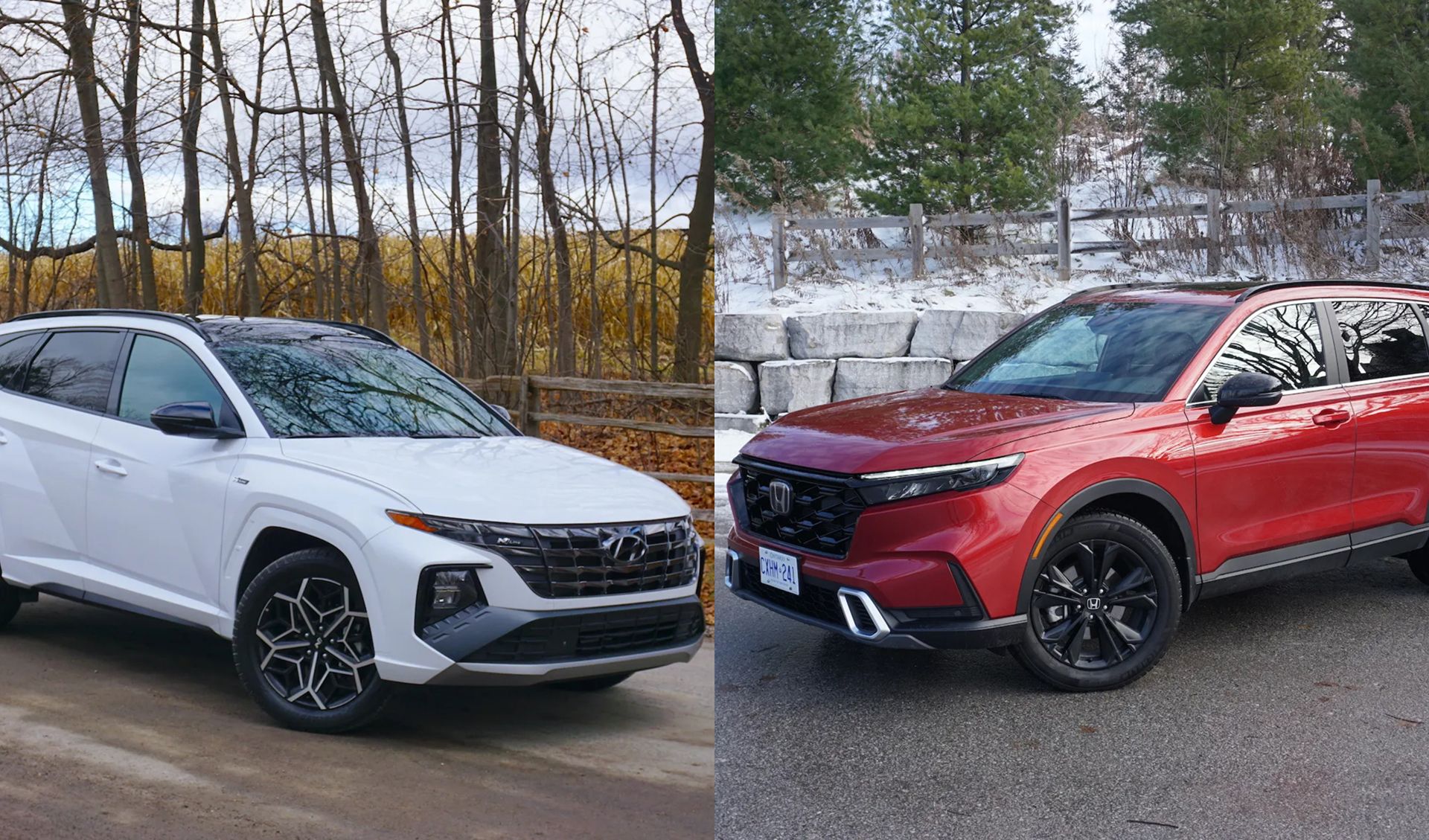
The biggest reason buyers are switching to hybrid SUVs is simple: better total value in day-to-day life. Hybrid systems reduce fuel use in stop-and-go traffic, which is exactly where many families spend most driving time. At the same time, today’s hybrid SUVs no longer feel like compromises. They offer strong acceleration, high safety scores, modern infotainment systems, and roomy cabins. For many households, a hybrid SUV provides the best balance between an EV and a traditional gas SUV without charging anxiety.
Toyota RAV4 Hybrid: Efficiency and Reliability Benchmark
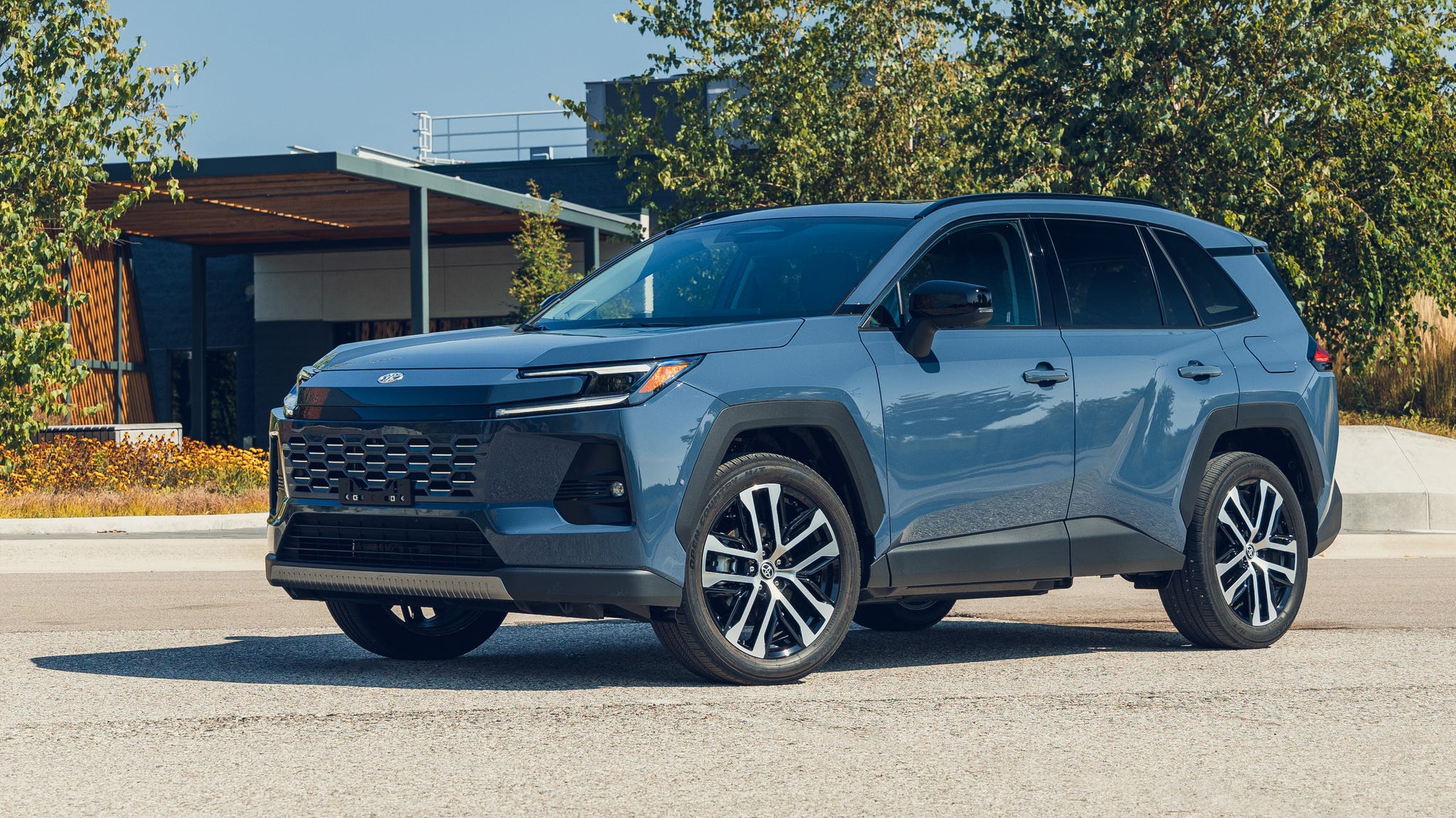
The Toyota RAV4 Hybrid remains a benchmark in 2026 thanks to strong fuel economy, proven reliability, and high resale value. Its hybrid drivetrain is refined and predictable, especially in city driving. Families who prioritize low long-term ownership risk often choose RAV4 Hybrid first because of Toyota’s track record for drivetrain durability and broad service network availability.
Honda CR-V Hybrid: Comfort, Cabin Quality, and Daily Use
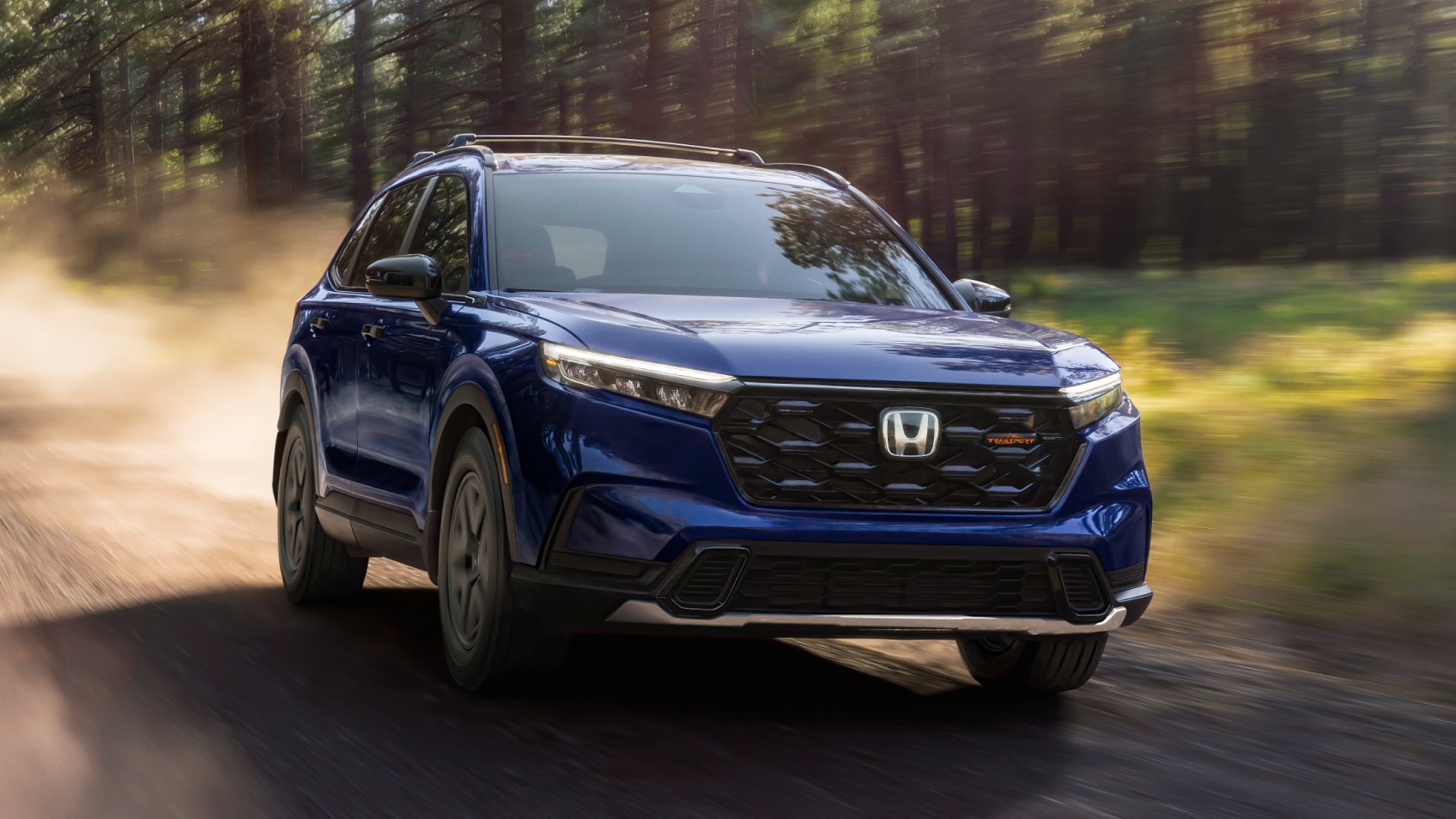
The Honda CR-V Hybrid stands out with a comfortable ride, practical cabin layout, and excellent daily usability. It is especially strong for families who value smooth suspension tuning and quiet interior behavior on longer drives. Honda’s hybrid calibration also feels natural under acceleration, making the CR-V Hybrid easy to adapt to for drivers moving from gas-only SUVs.
Interior Space and Family Comfort Comparison
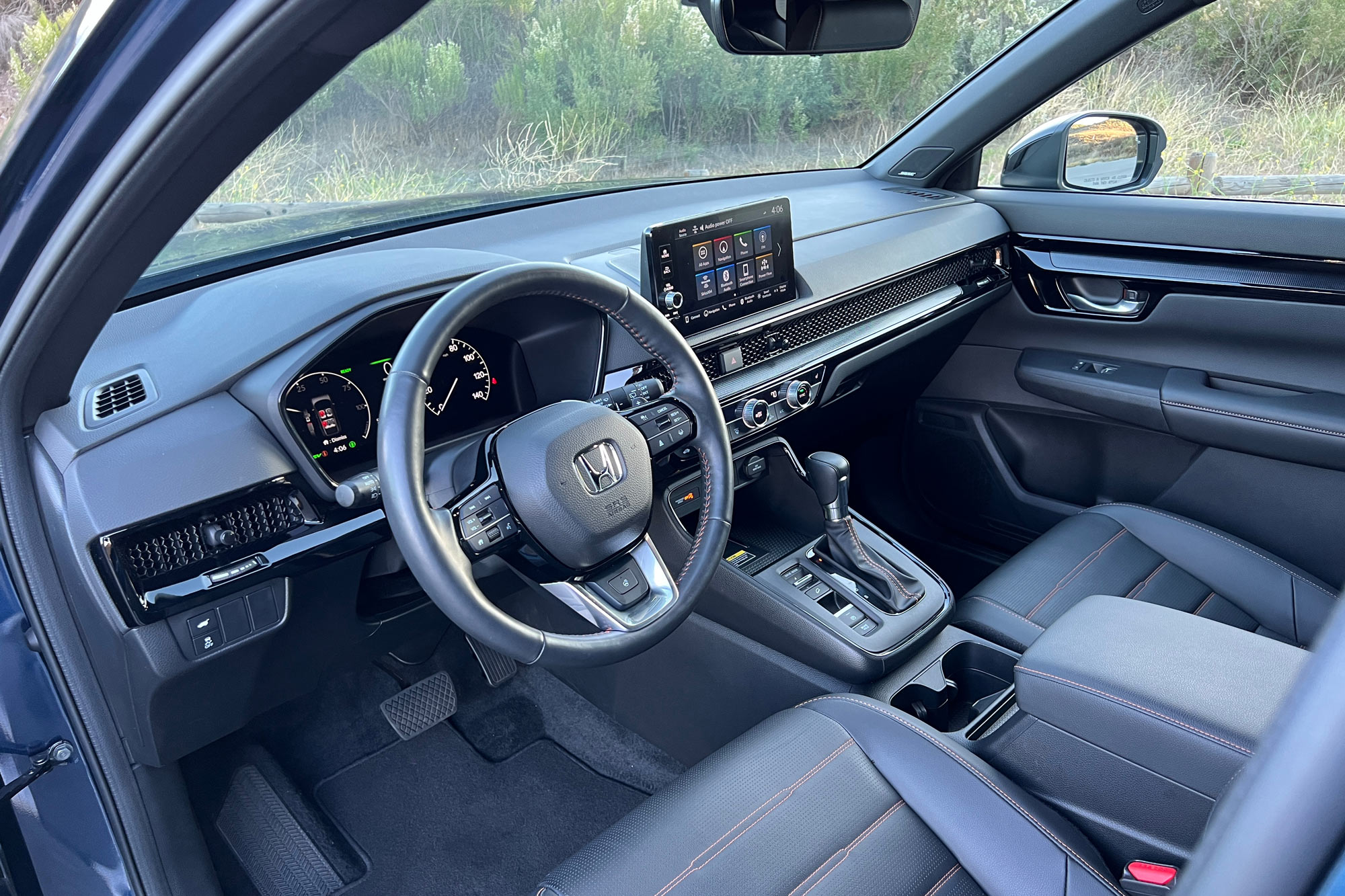
When comparing family SUVs, interior usability matters more than pure spec-sheet numbers. Seat comfort, rear passenger legroom, second-row access, storage bins, and cabin visibility all have bigger real-world impact than headline horsepower. In 2026, both RAV4 Hybrid and CR-V Hybrid offer practical interiors, but buyers should test child-seat fitment, rear-seat recline angles, and infotainment responsiveness before deciding.
Cargo Capacity and Real Family Loading Scenarios

Cargo space is one of the most underrated buying factors. Weekend trips, grocery runs, strollers, sports gear, and travel luggage quickly expose differences between SUVs. A good hybrid SUV should provide not only large total cargo volume but also a usable shape, low load floor, and easy-fold rear seats. In practical testing, buyers should load real items to confirm fit rather than rely only on brochure numbers.
Safety Systems and Driver Assistance
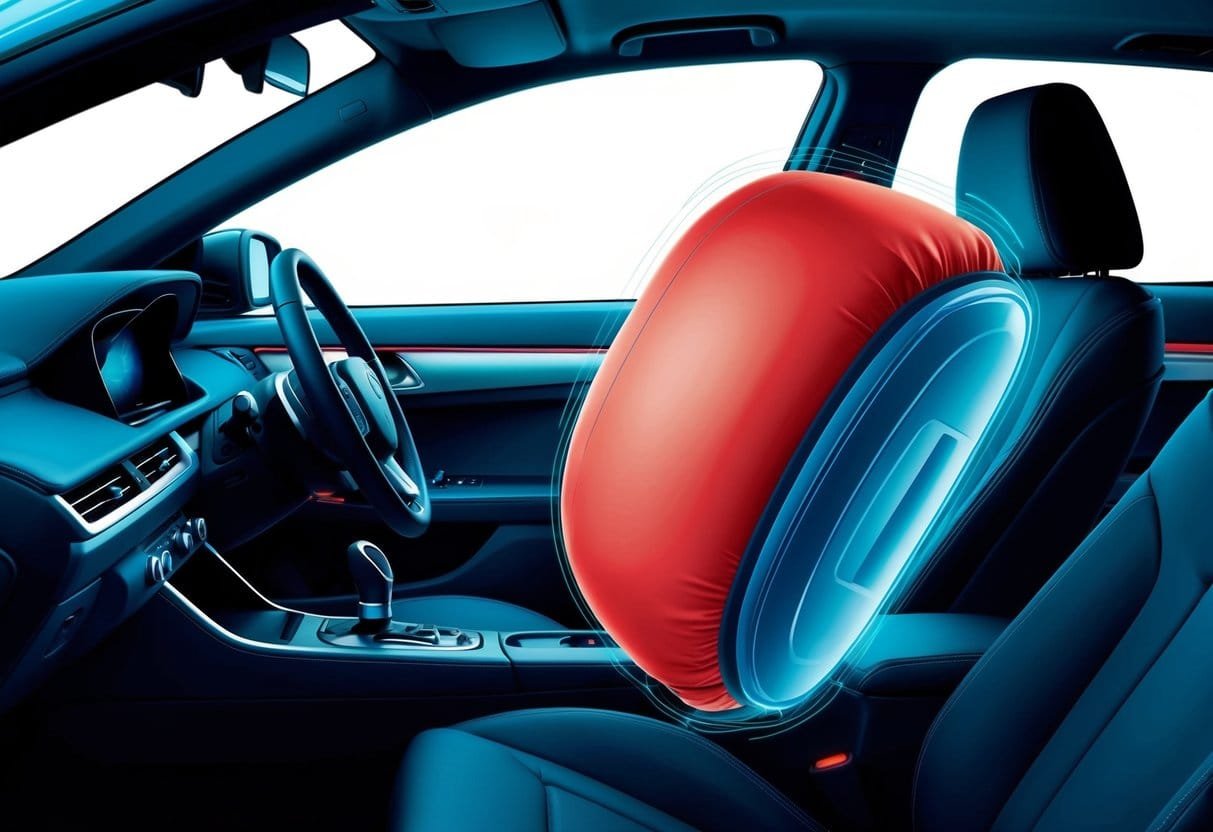
In 2026, most leading hybrid SUVs include advanced safety packages: adaptive cruise control, lane-keeping assist, blind-spot monitoring, and automatic emergency braking. Families should check which features are standard on each trim level, because some models bundle key safety tools only on higher trims. For family-focused buyers, prioritize strong crash-test ratings and dependable driver-assistance calibration over non-essential luxury add-ons.
Fuel Economy and 5-Year Cost Outlook
Fuel savings are one of the biggest hybrid advantages. Over five years, a hybrid SUV can save thousands in fuel versus a comparable gasoline SUV, especially for urban commuters. Beyond fuel, hybrid brake systems often reduce brake wear through regenerative braking, and resale values for top hybrid SUVs have stayed strong. A proper 5-year cost comparison should include fuel, maintenance, insurance, and expected resale value.
Which Hybrid SUV Is Best for You?
If you prioritize proven long-term reliability and high resale, Toyota RAV4 Hybrid is a top pick. If you want a smoother ride and strong cabin comfort, Honda CR-V Hybrid is often preferred. The best choice depends on your real usage pattern: city commute, family road trips, cargo frequency, and budget range. Always test drive both with your normal passenger and cargo setup.
Related Hybrid SUV Resources
Final Verdict
Hybrid SUVs in 2026 are no longer niche products—they are mainstream family vehicles with clear financial and practical benefits. Whether you choose RAV4 Hybrid or CR-V Hybrid, both offer excellent all-around value. For most buyers, hybrid SUVs deliver the best middle ground between traditional gas vehicles and fully electric models.